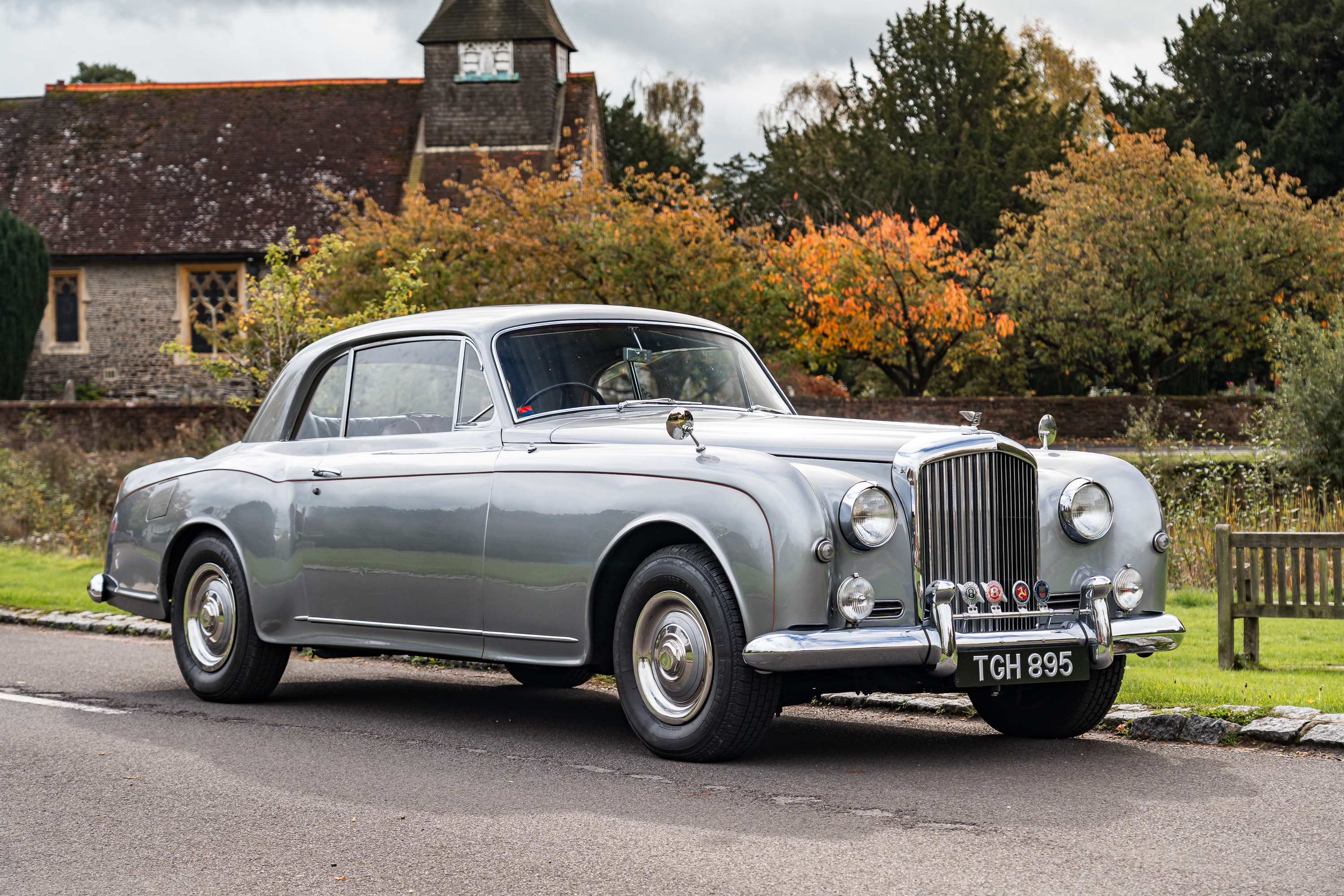
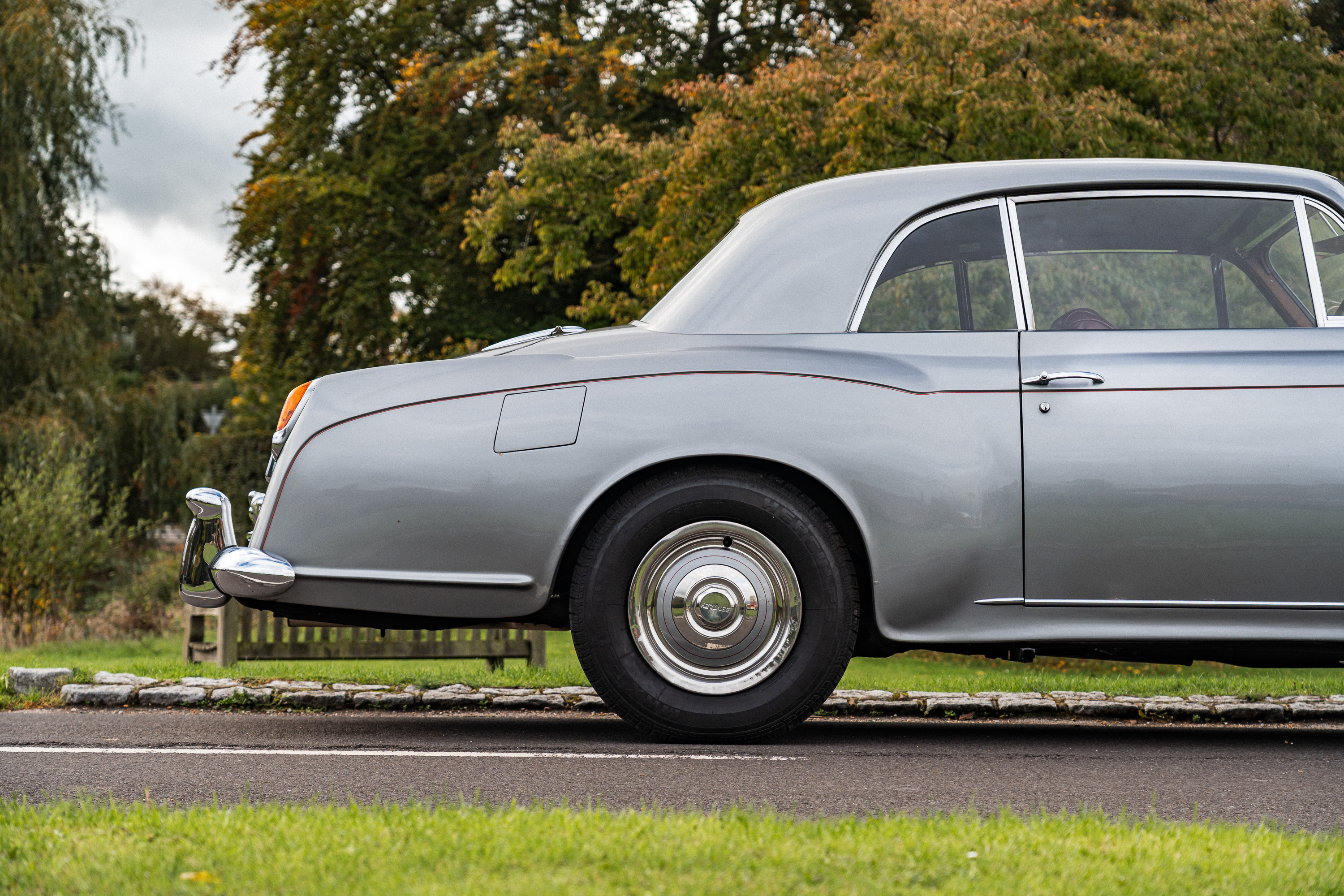
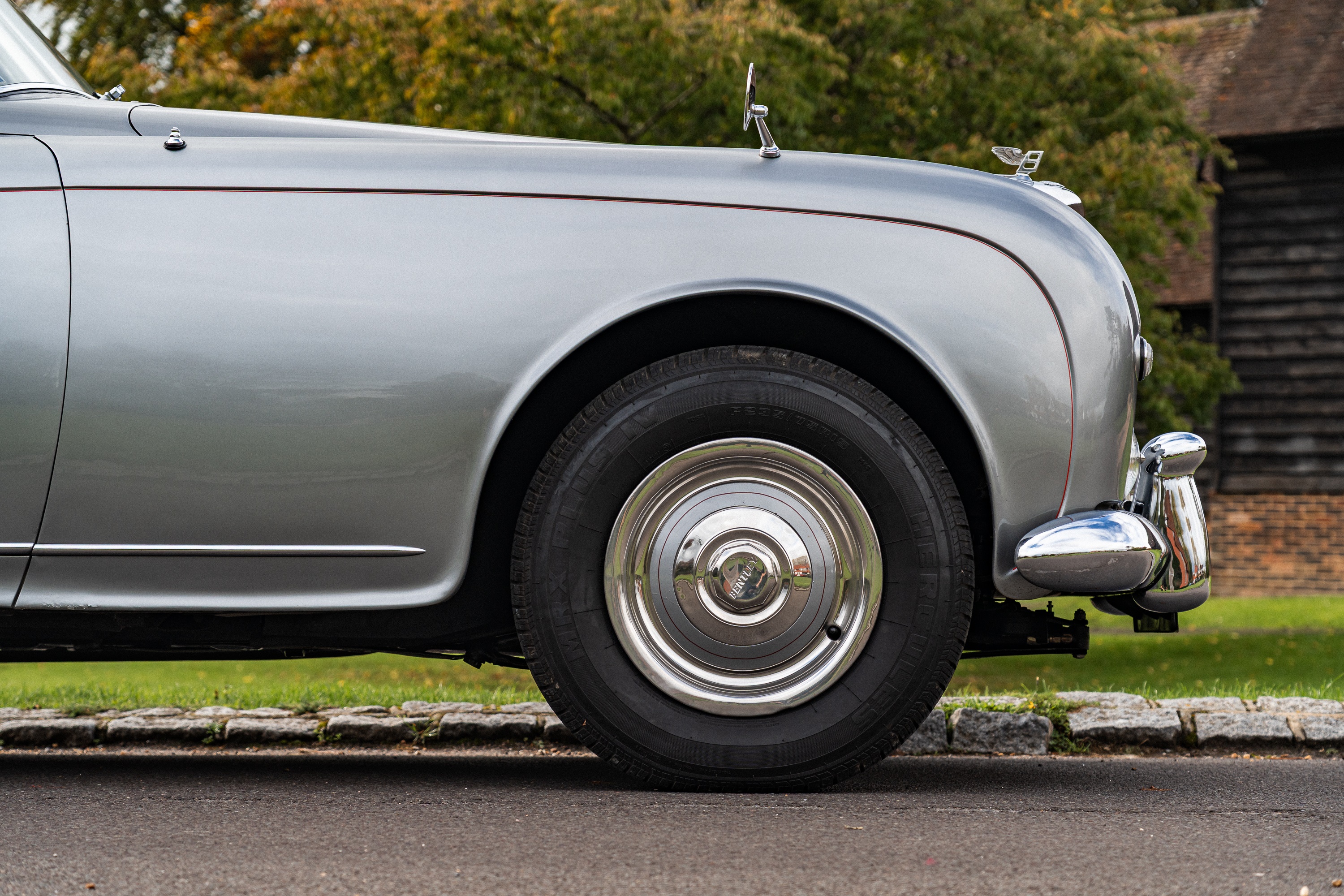
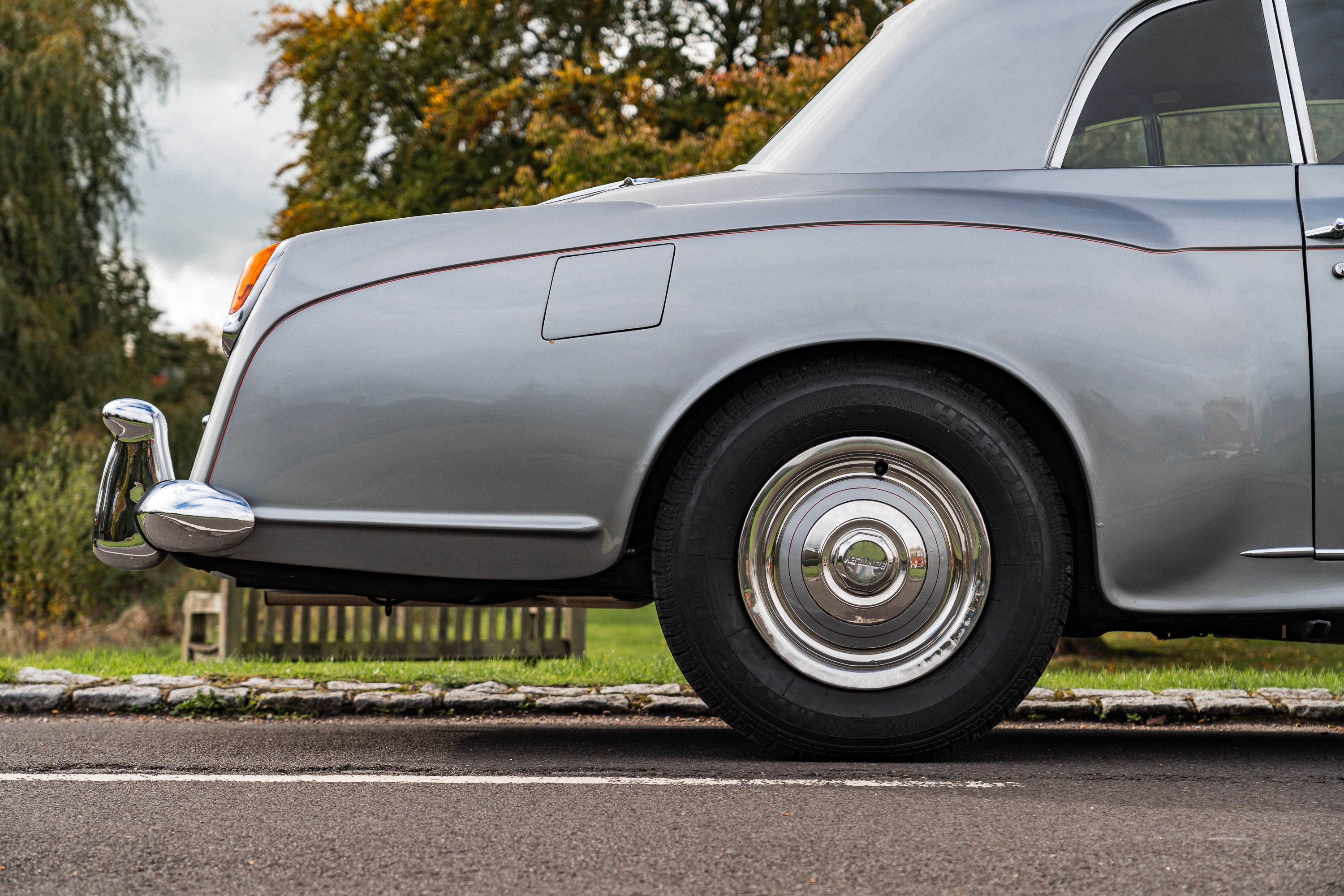
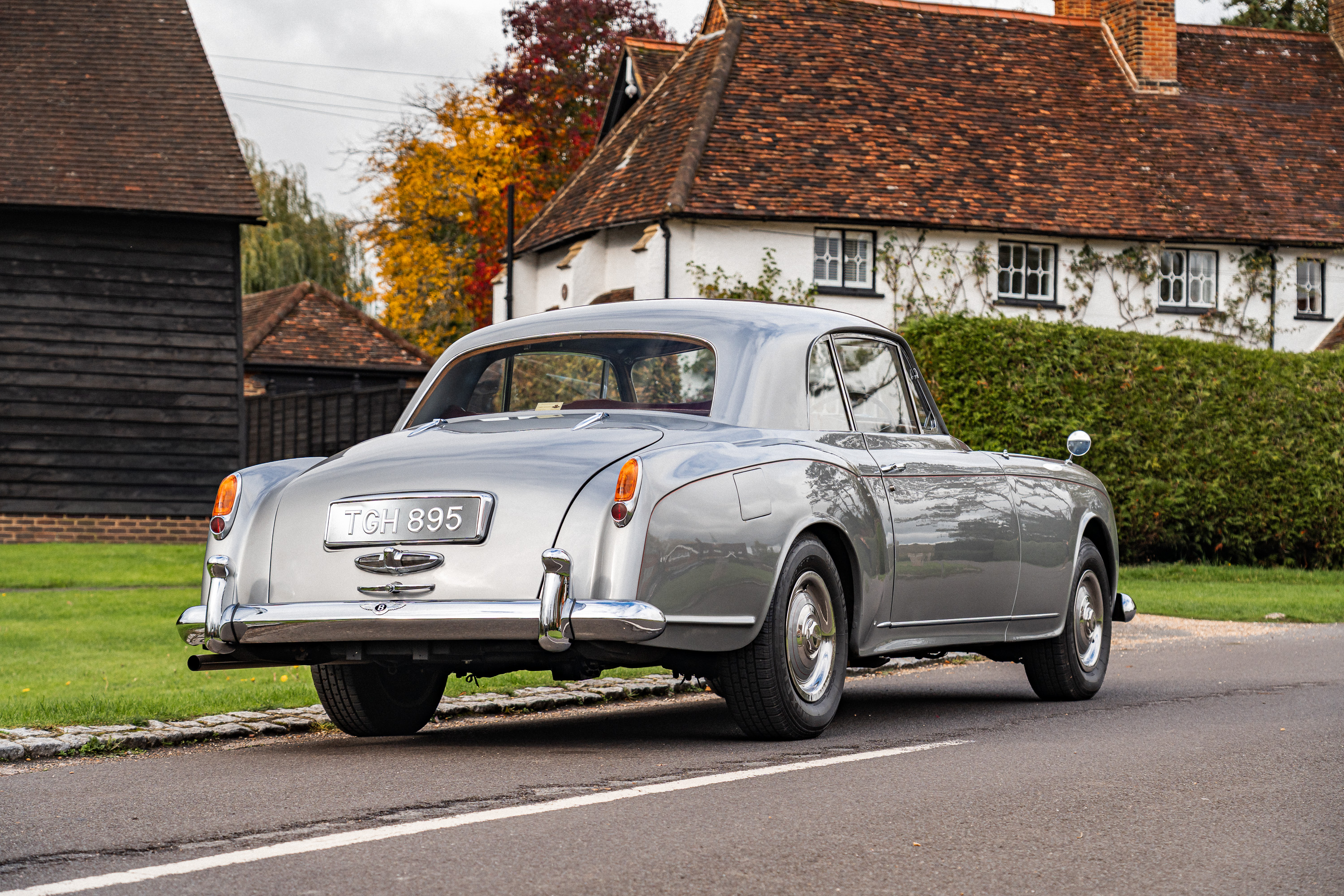
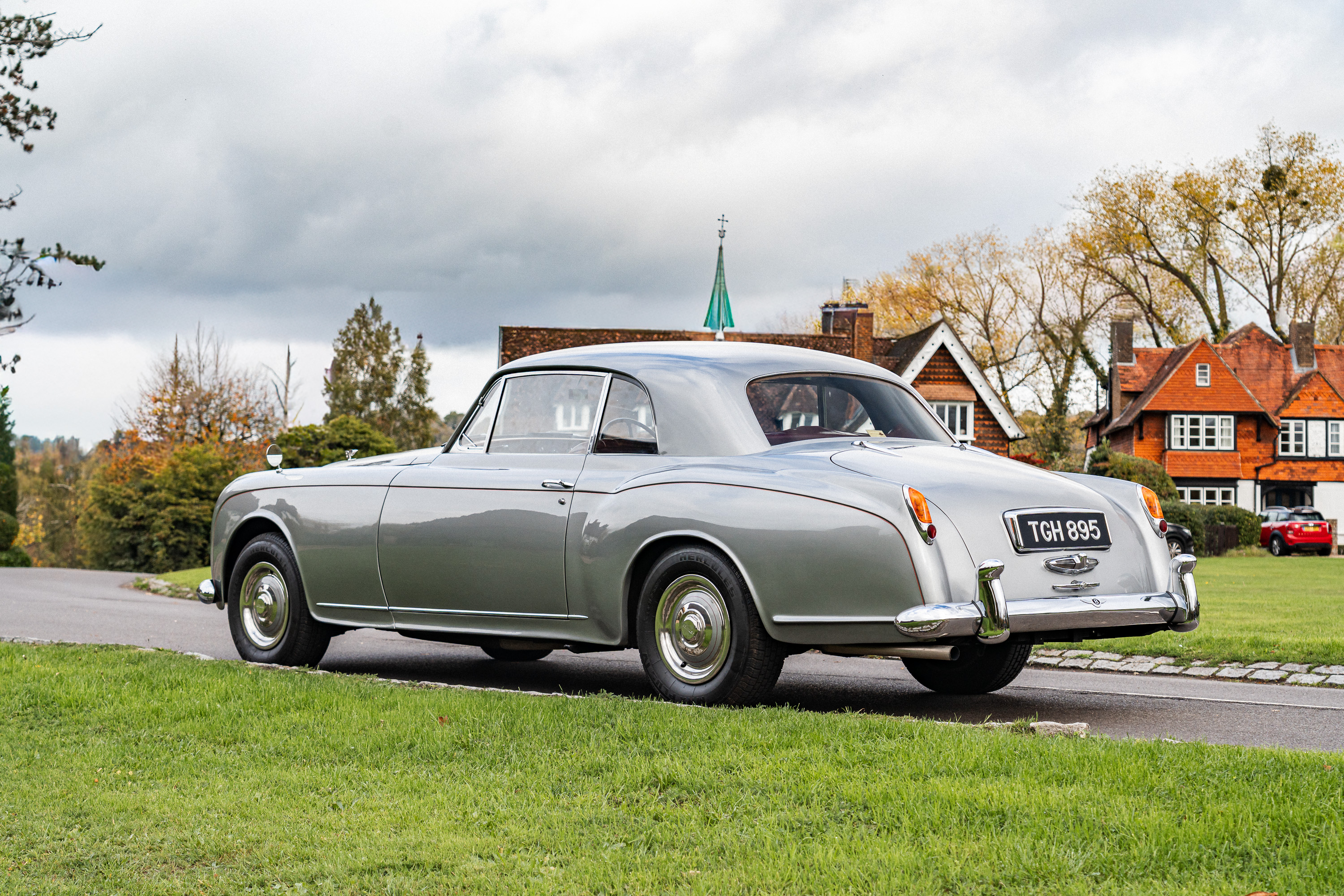
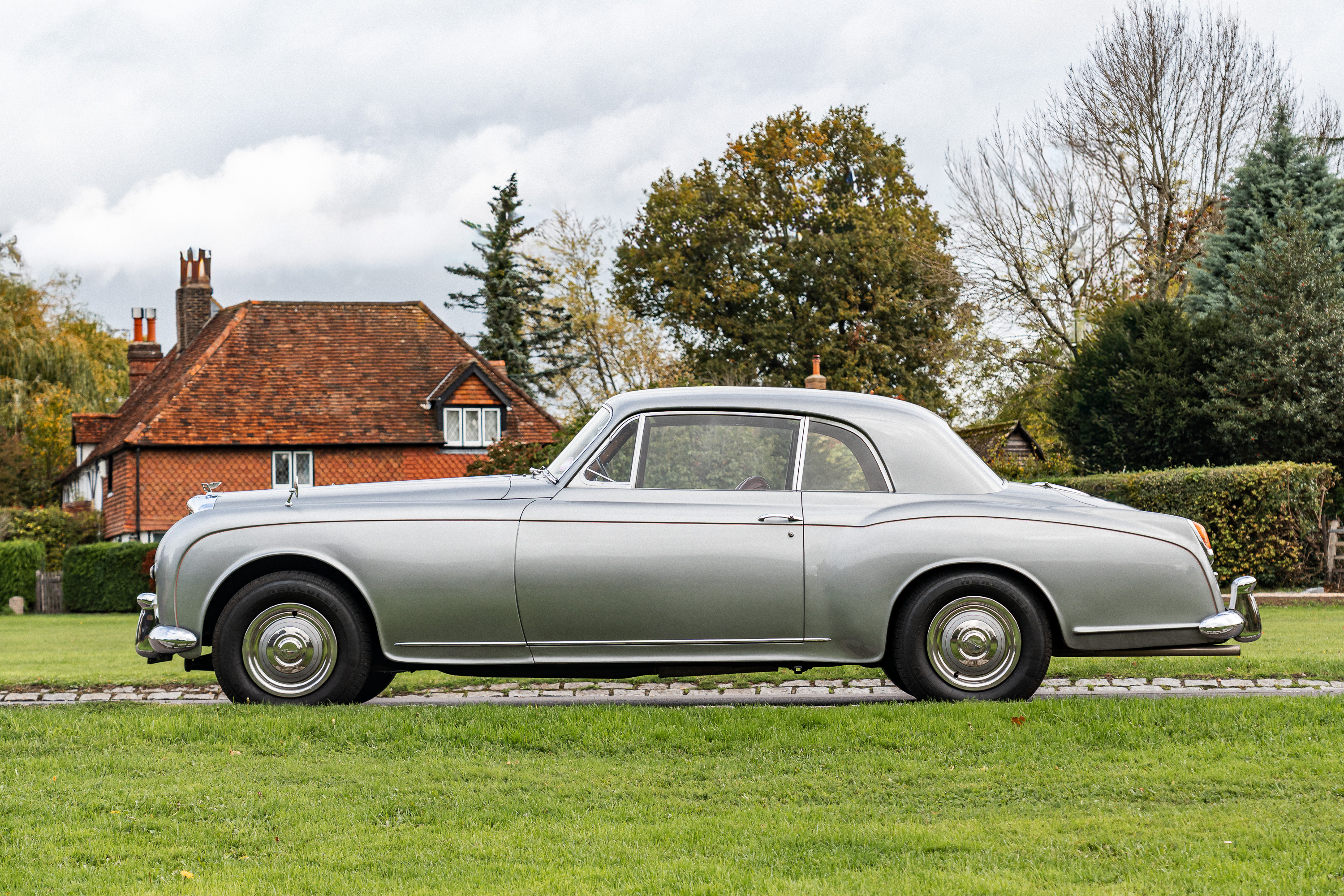
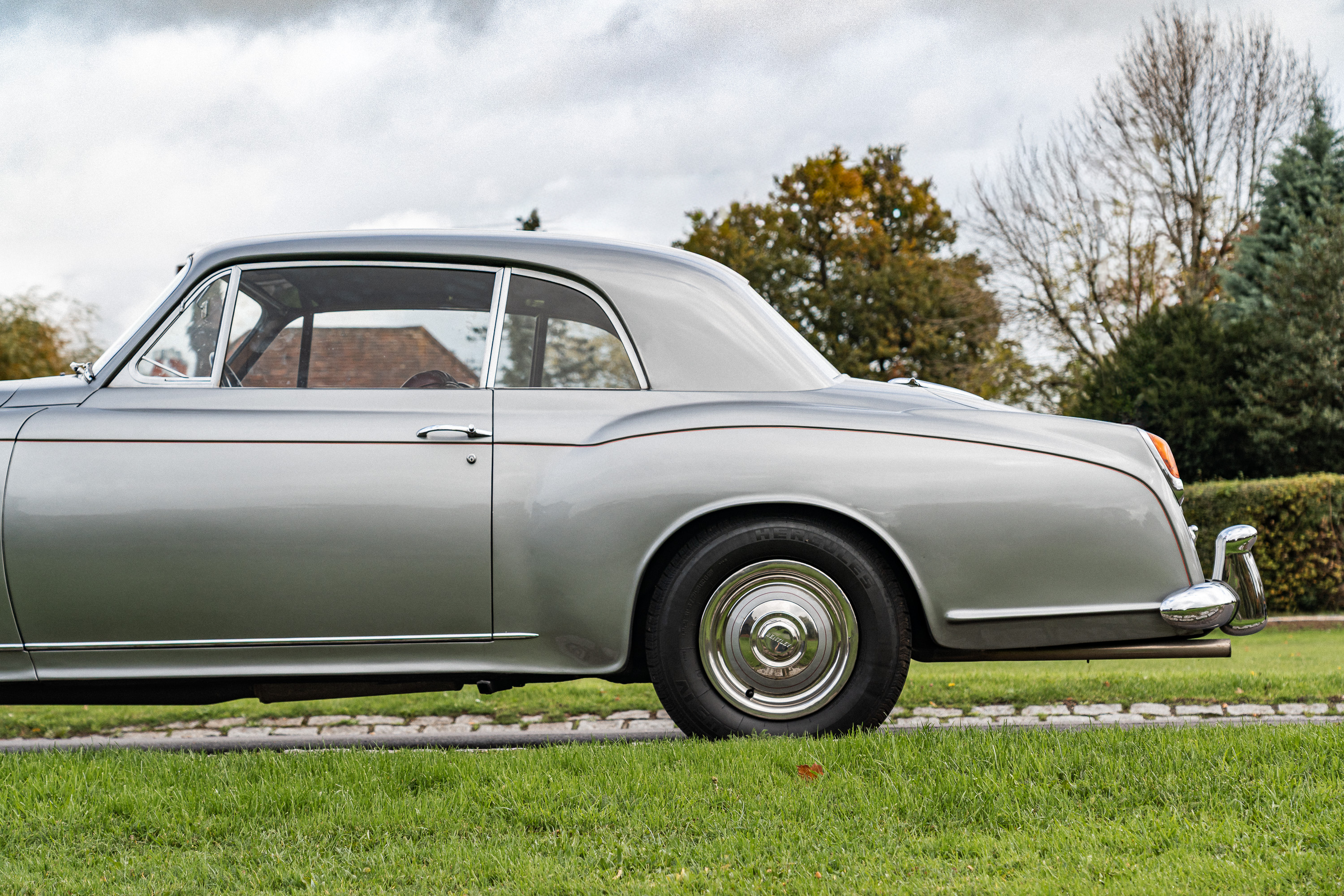
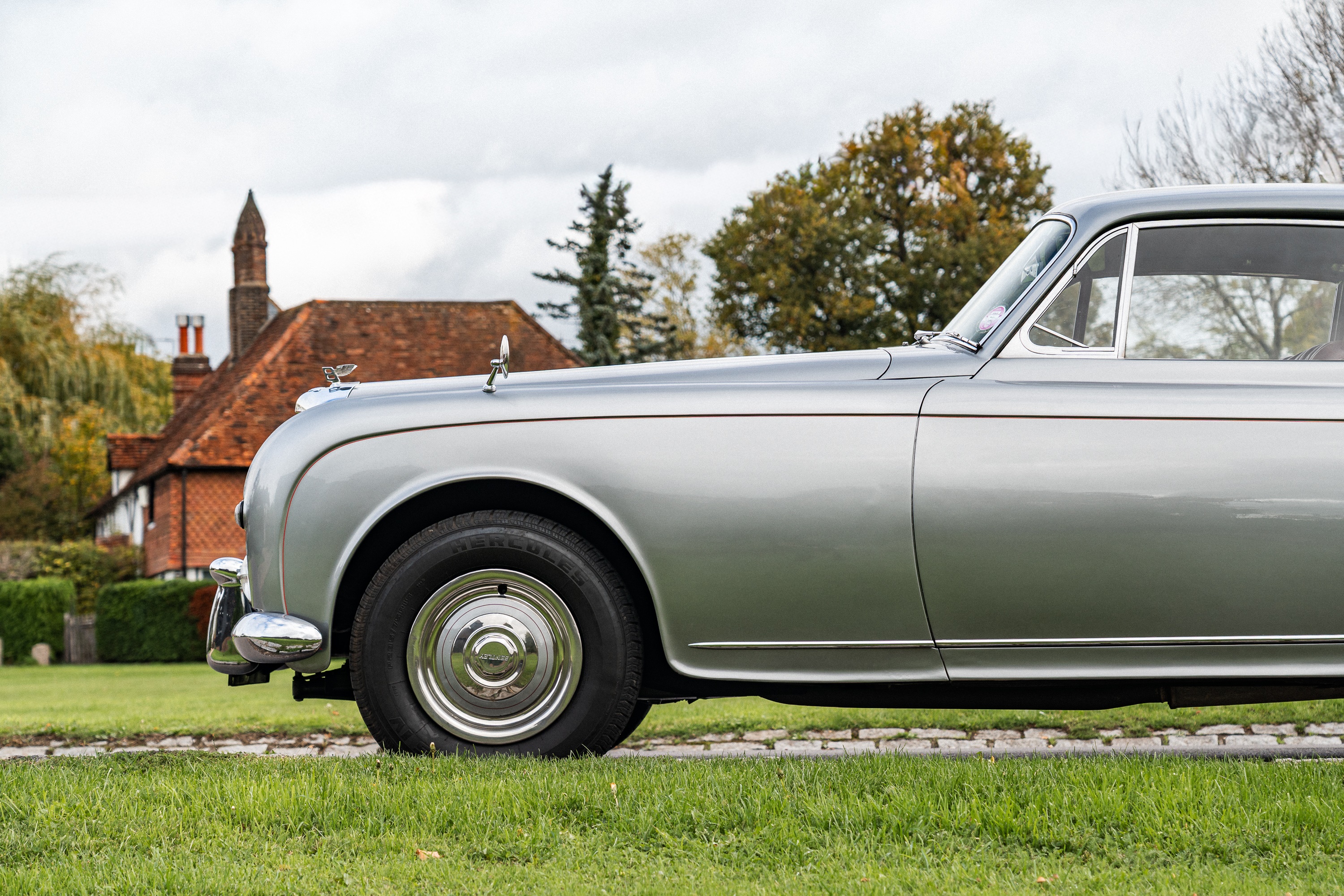
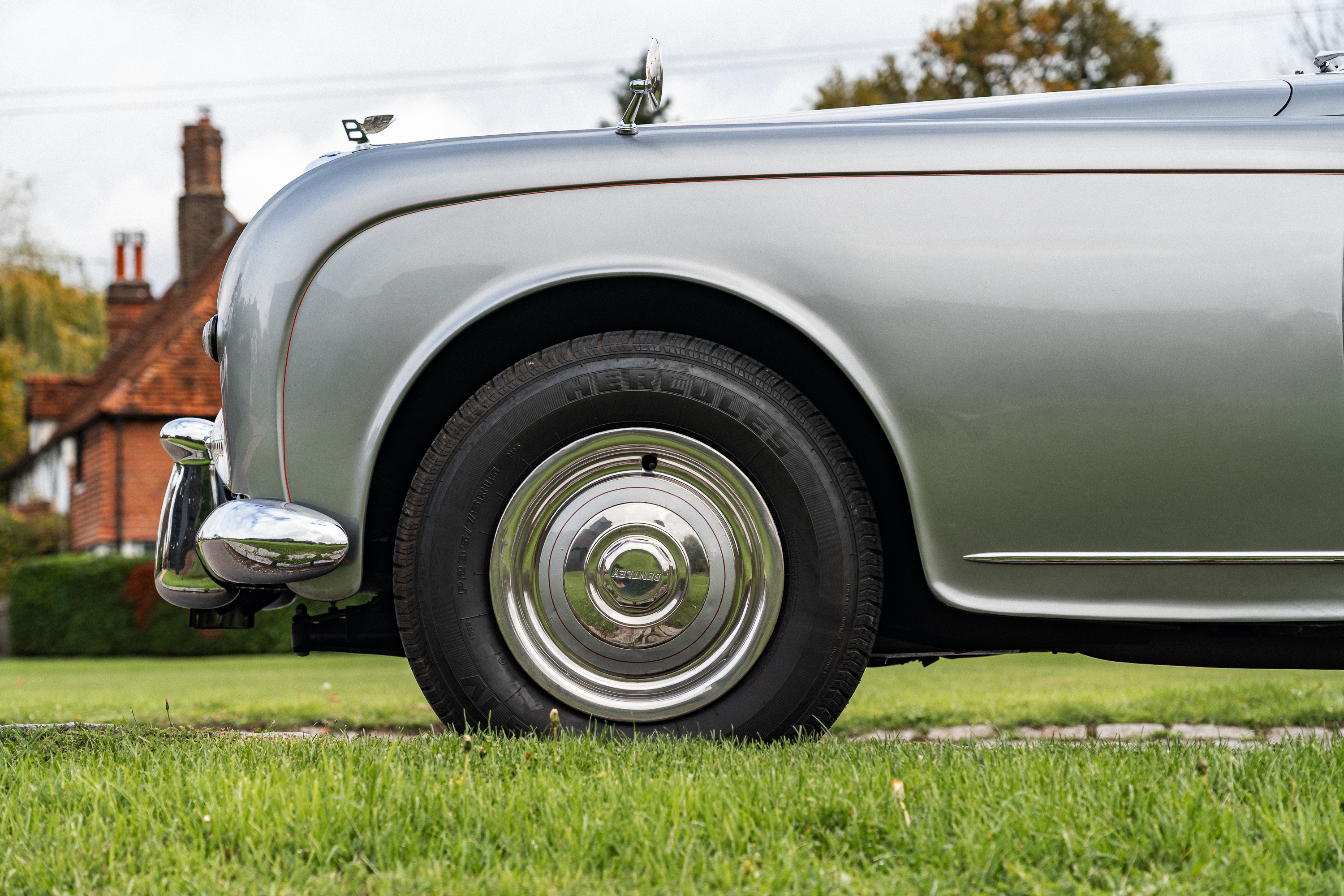
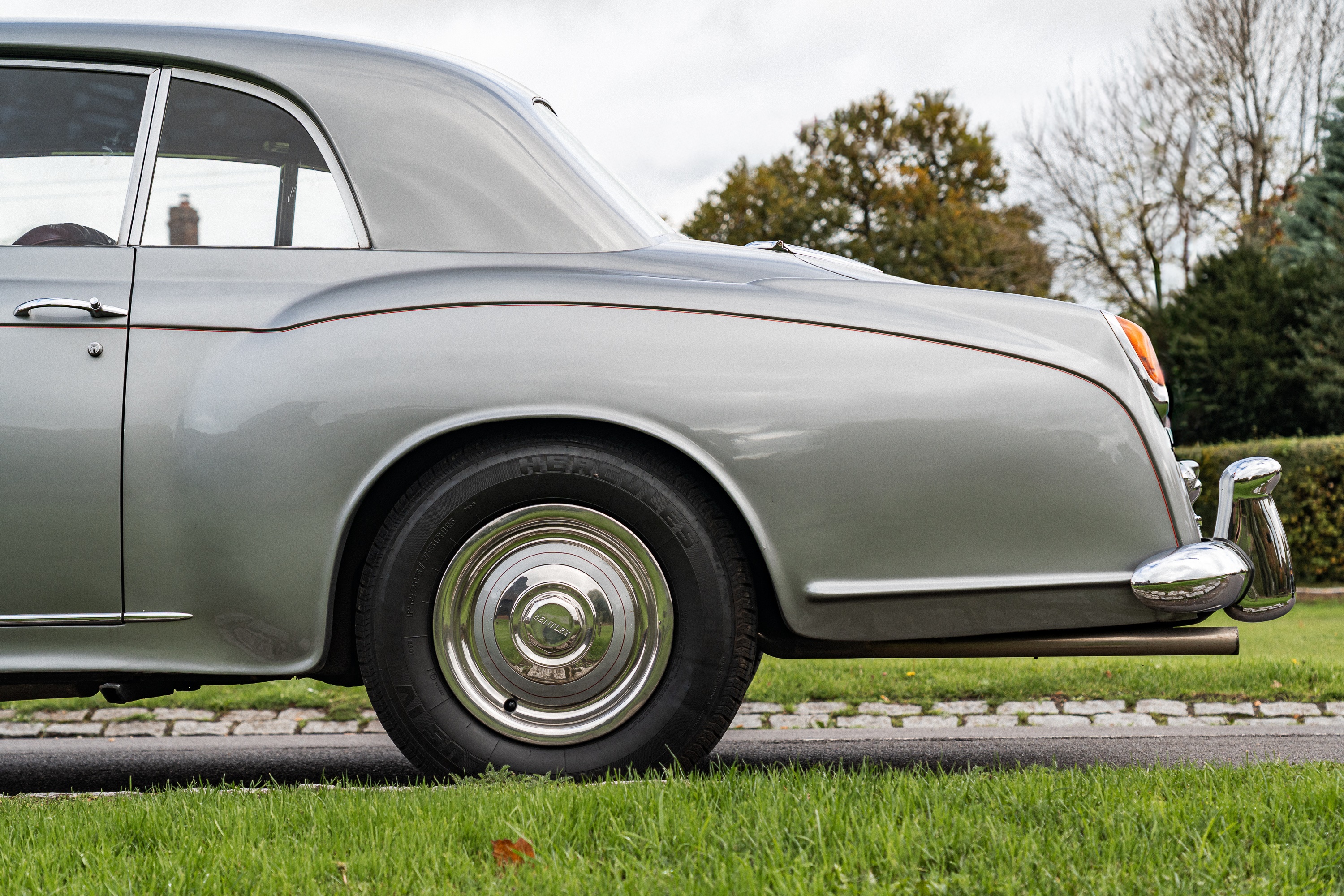
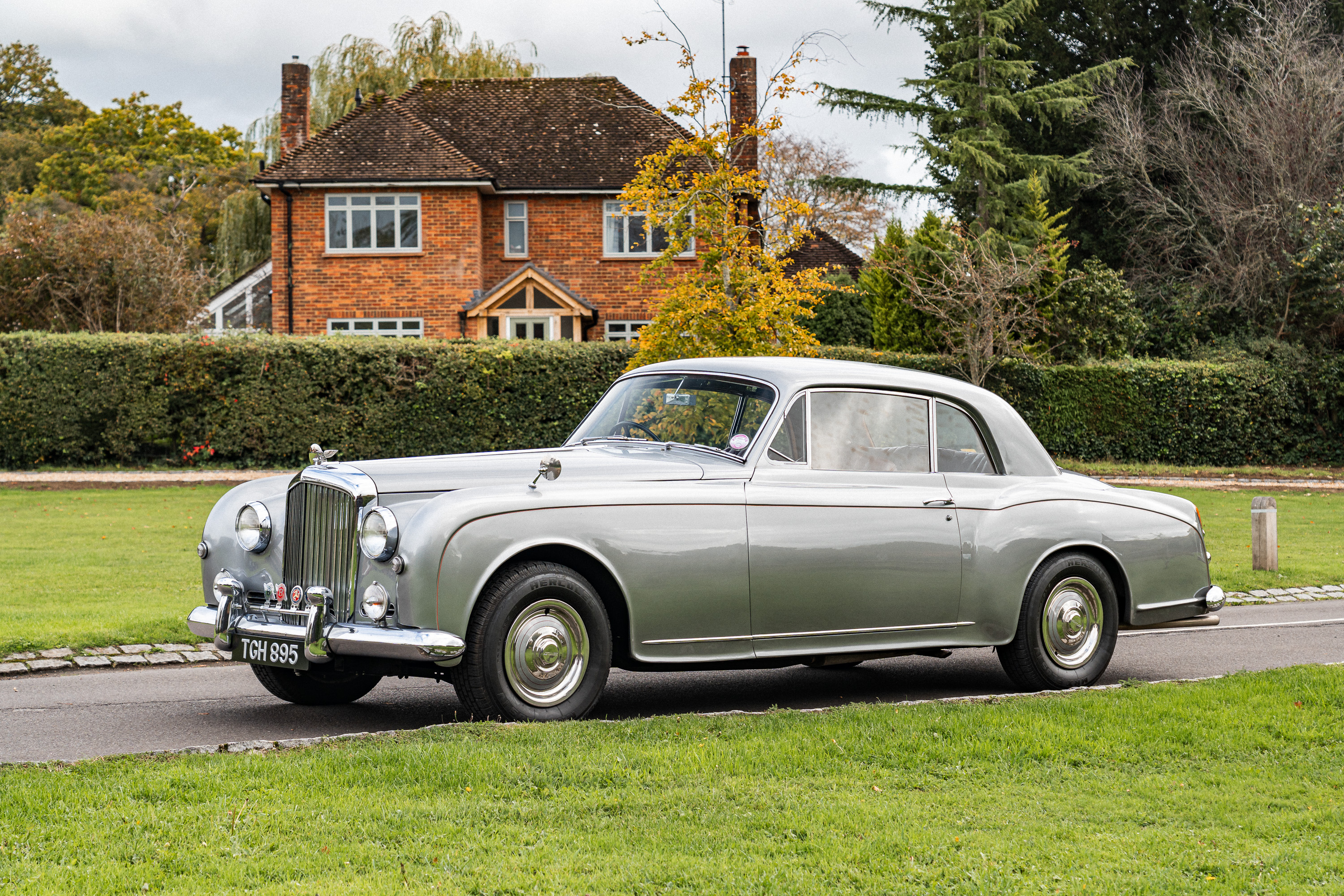
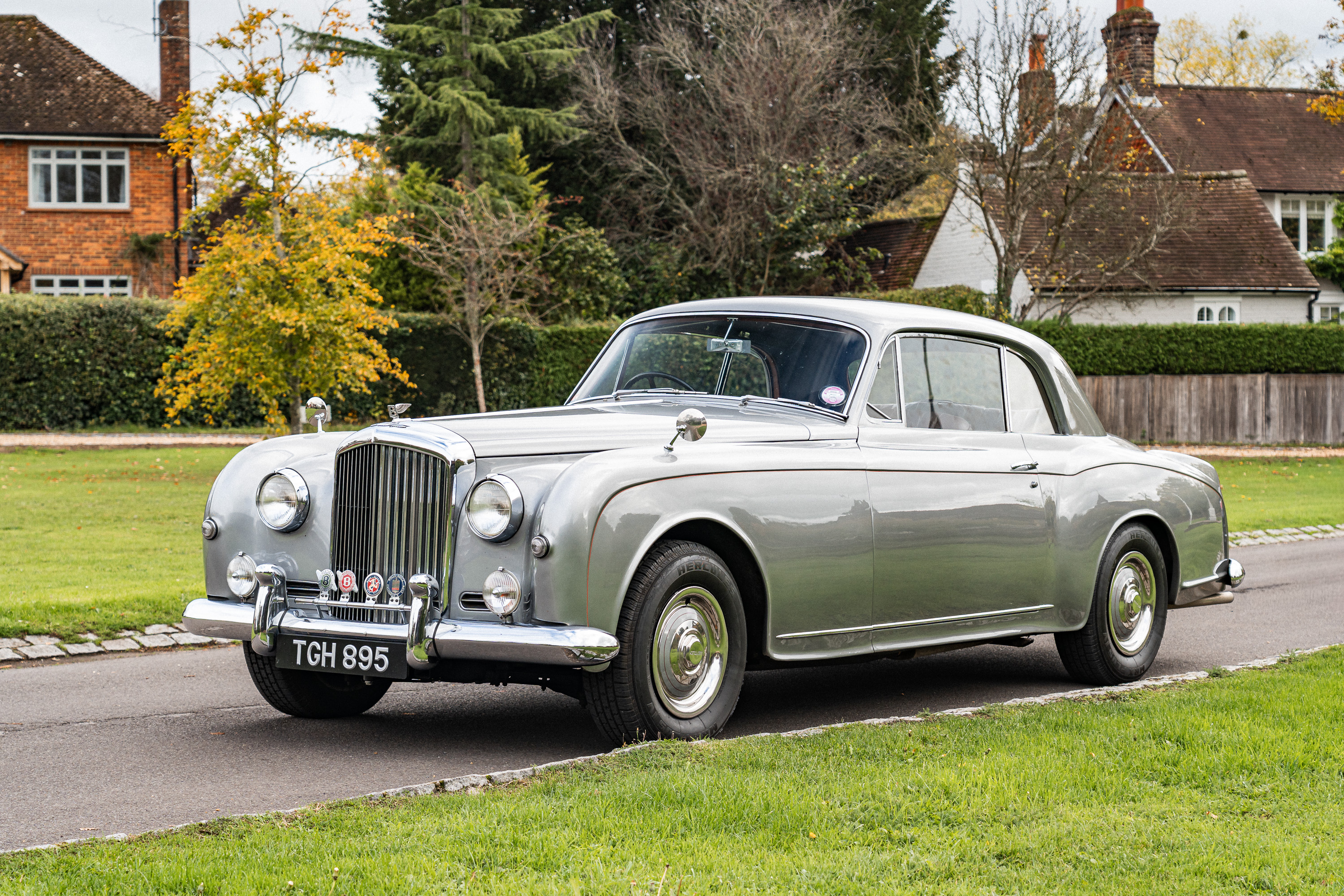
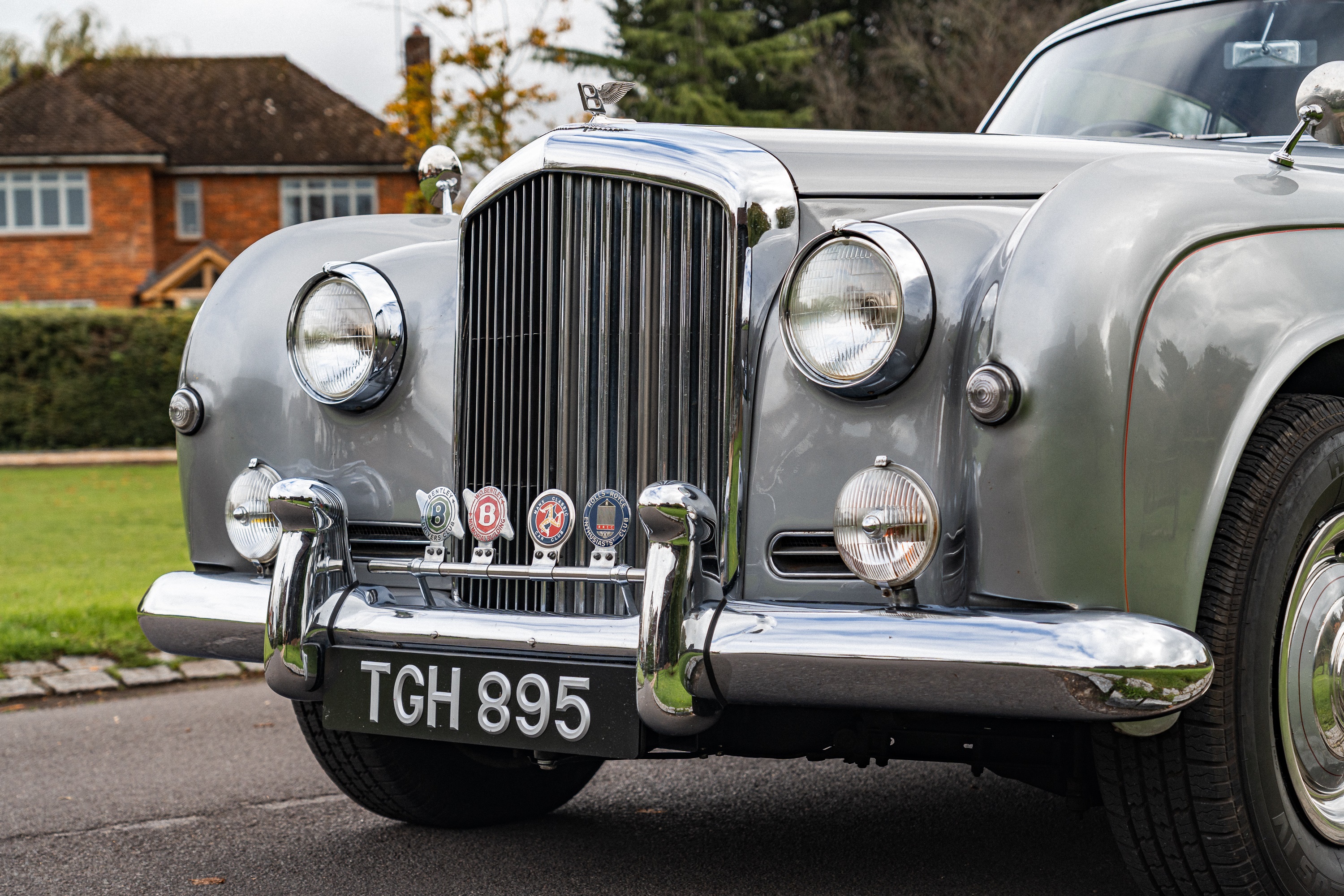
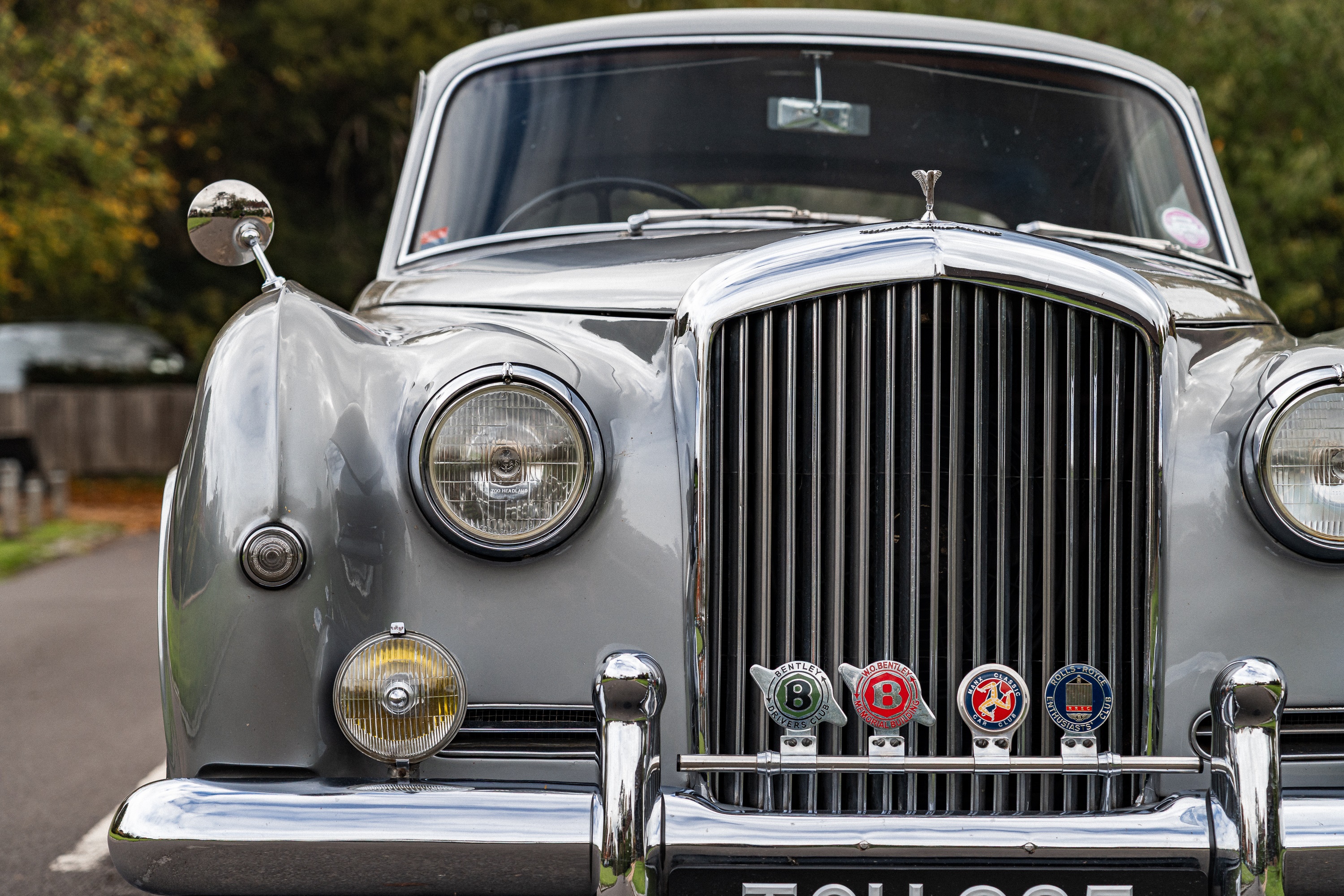
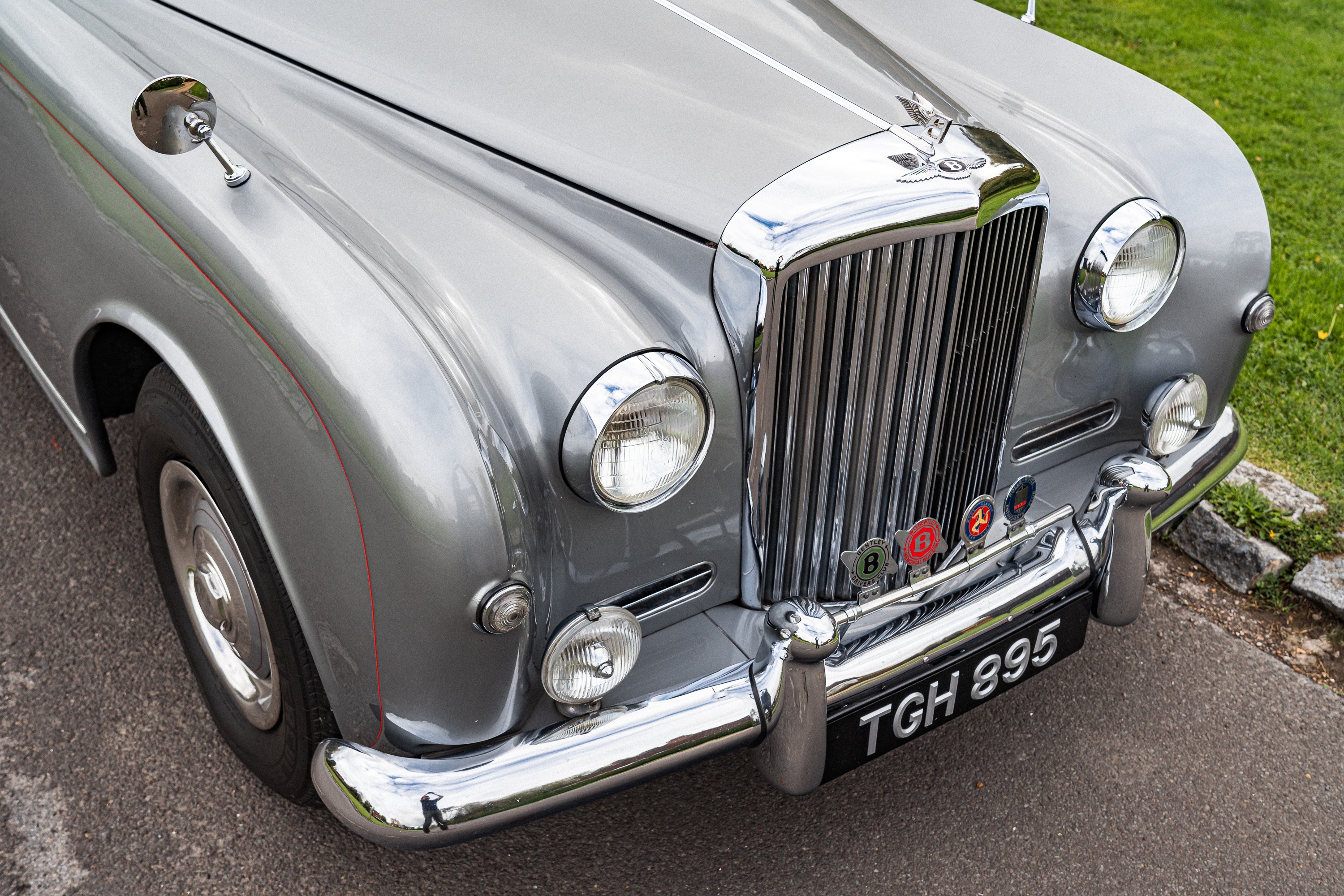
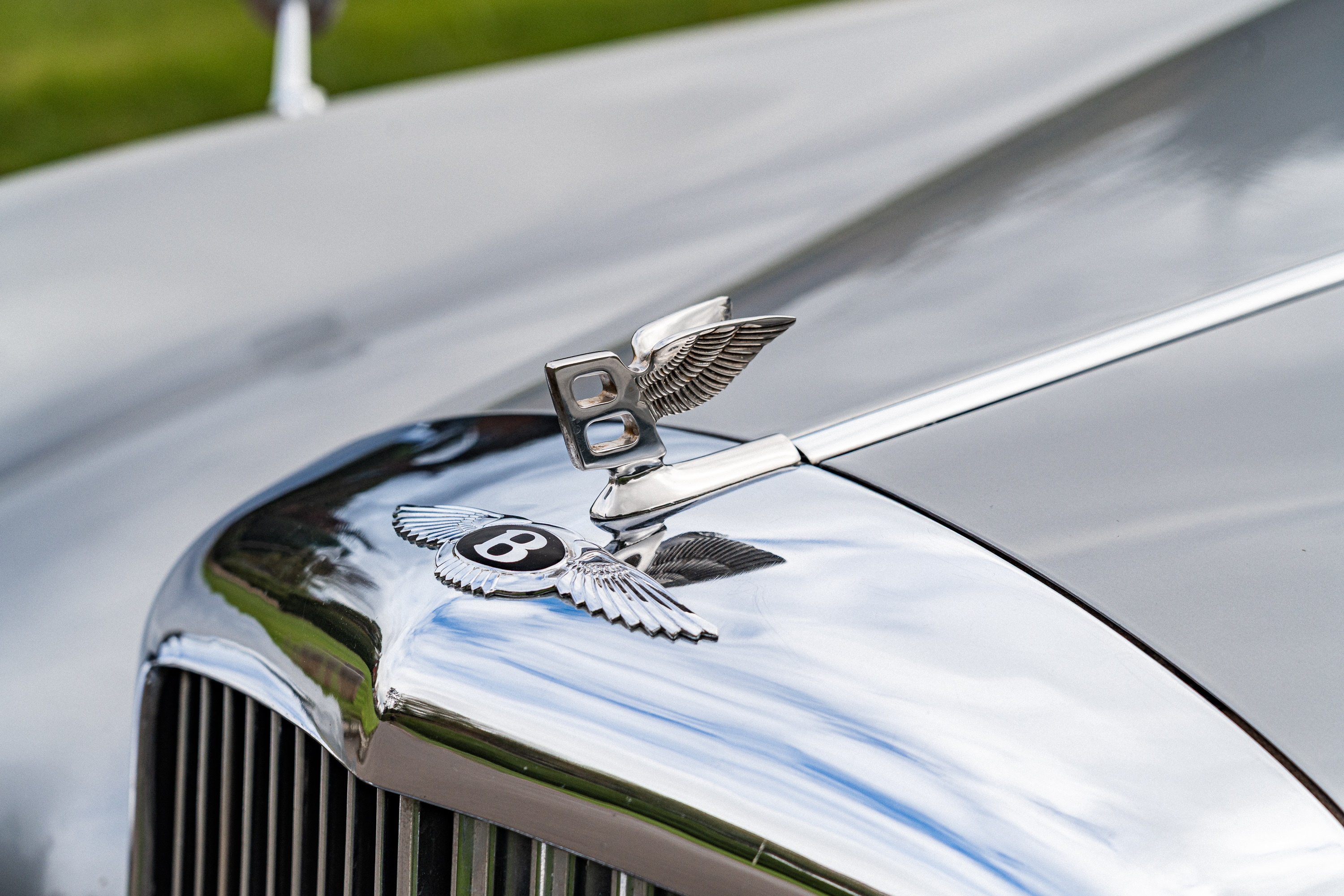
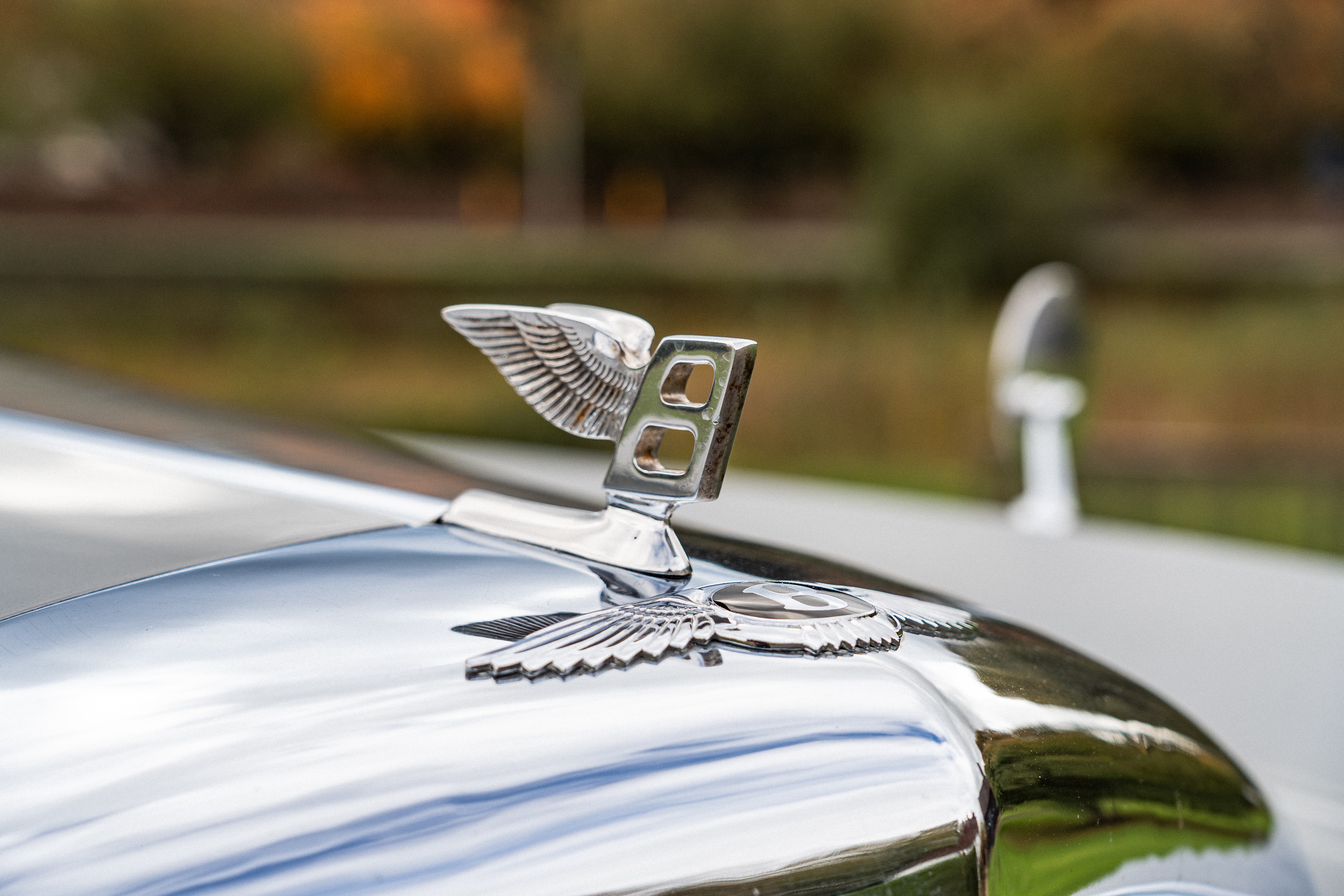
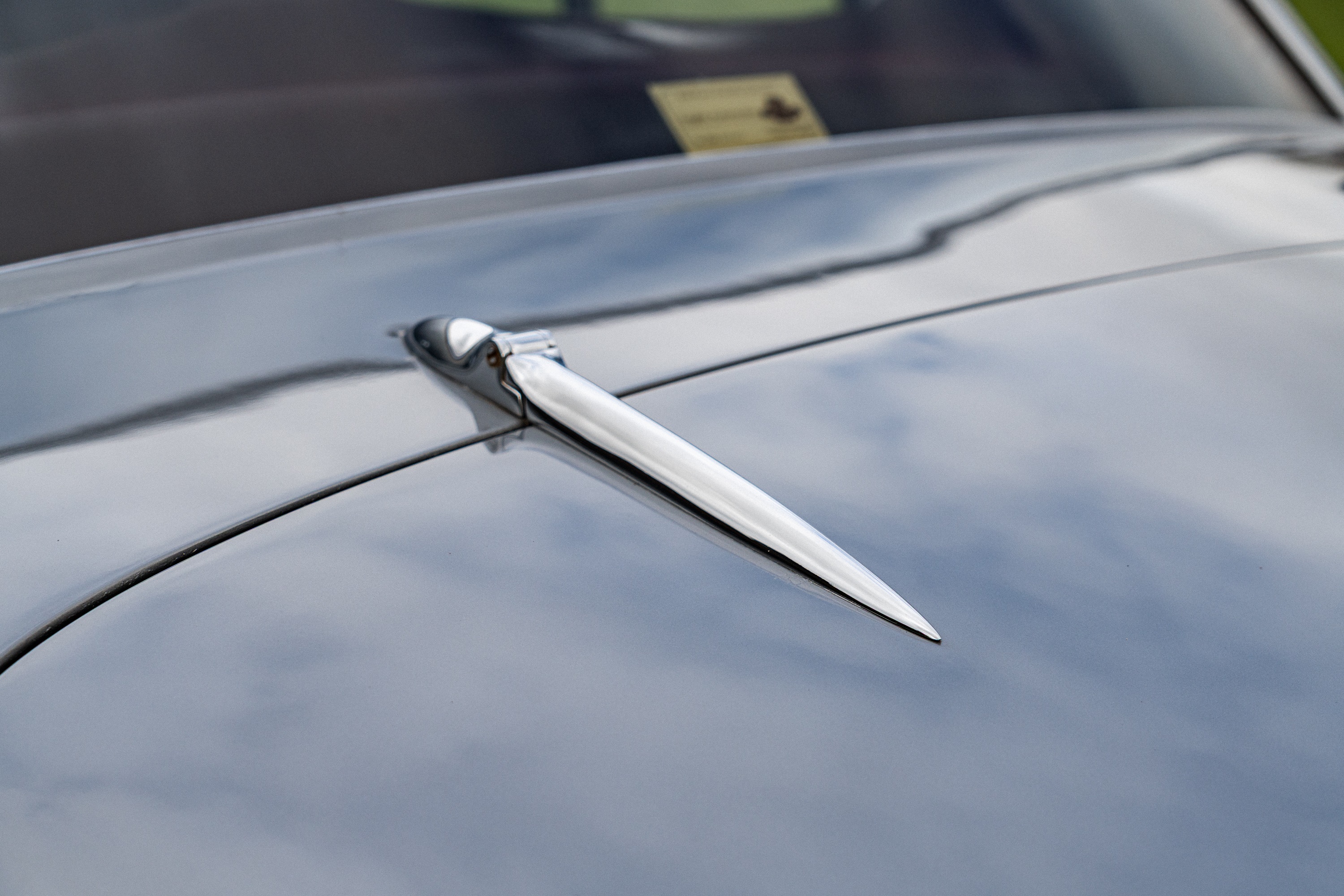
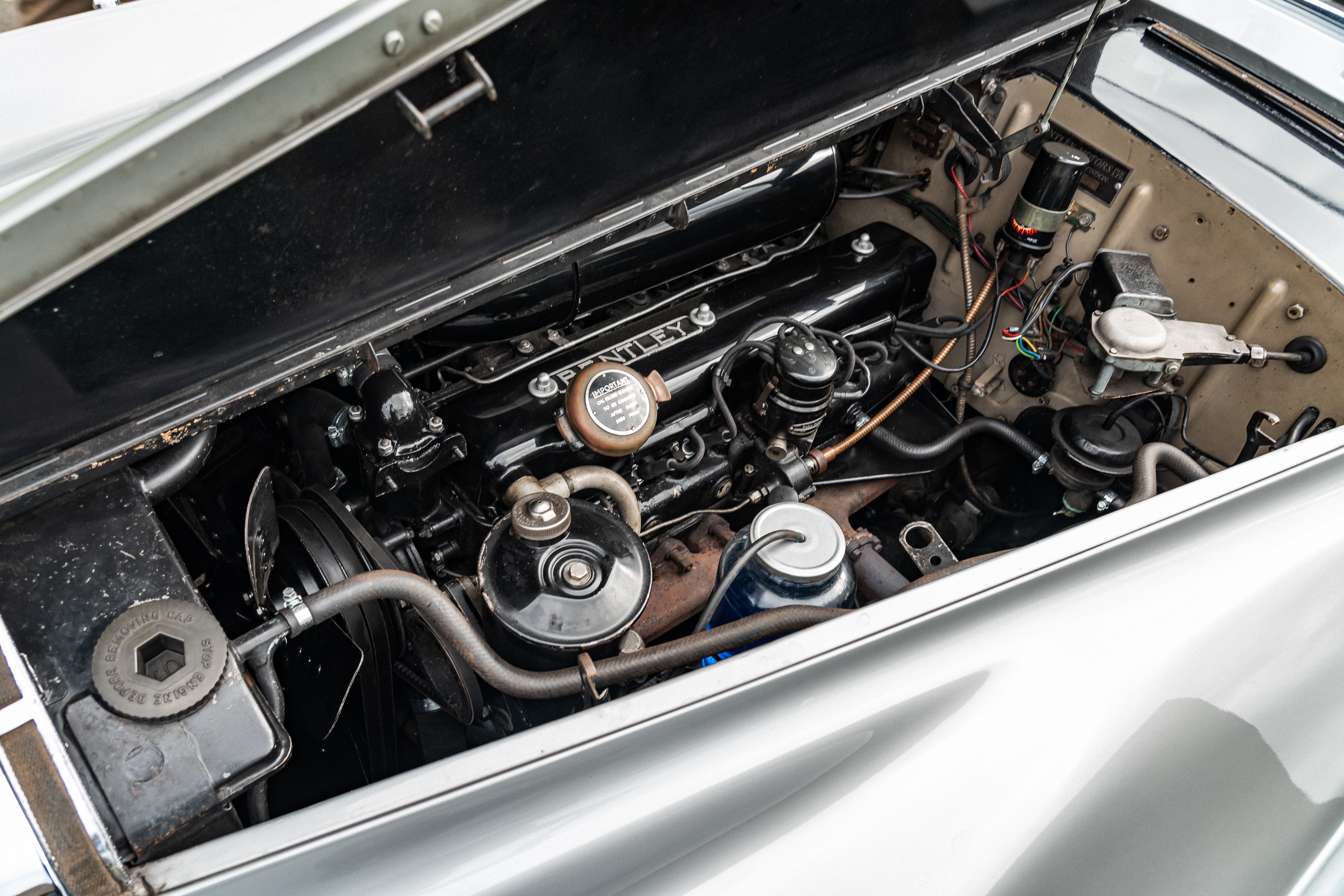
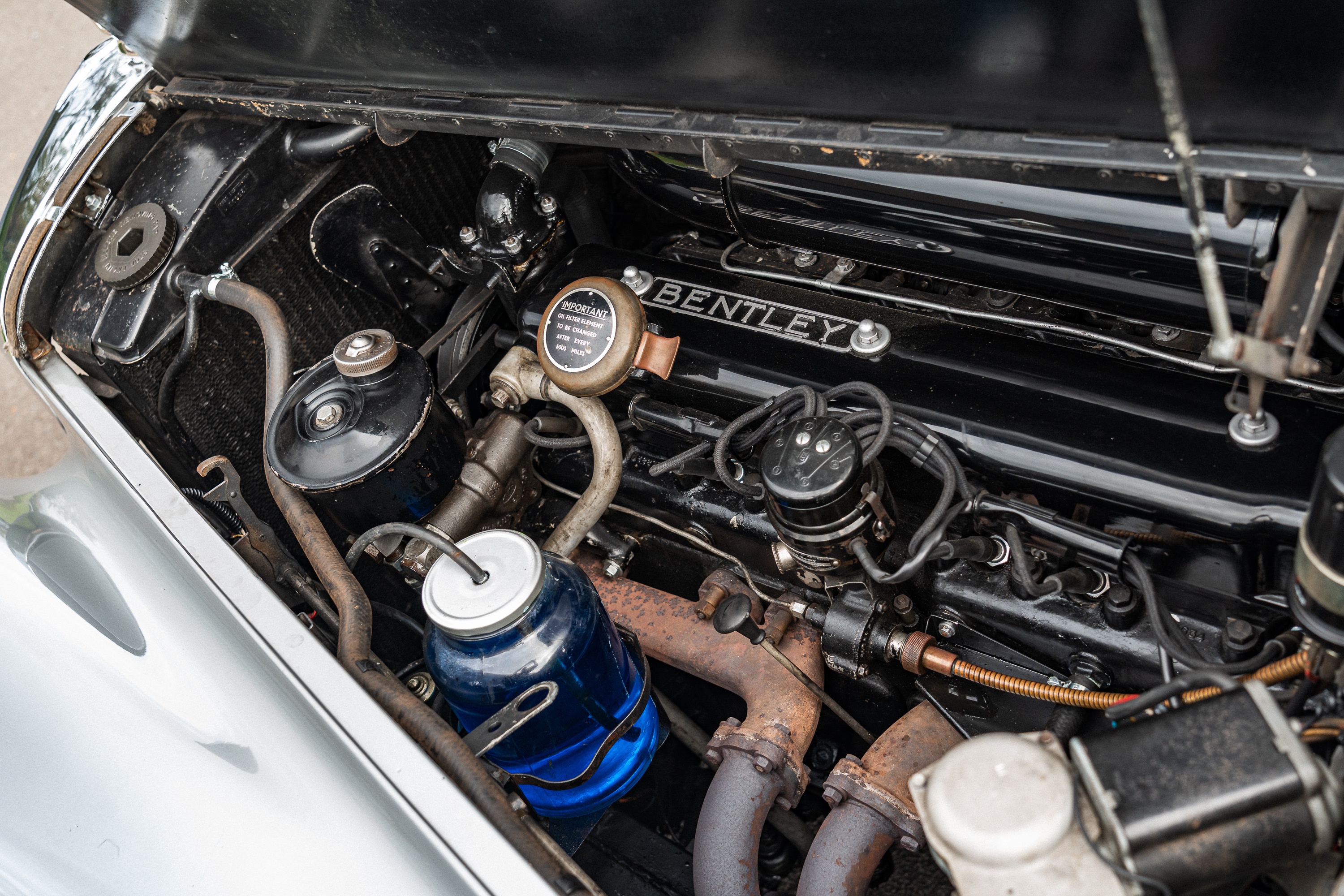
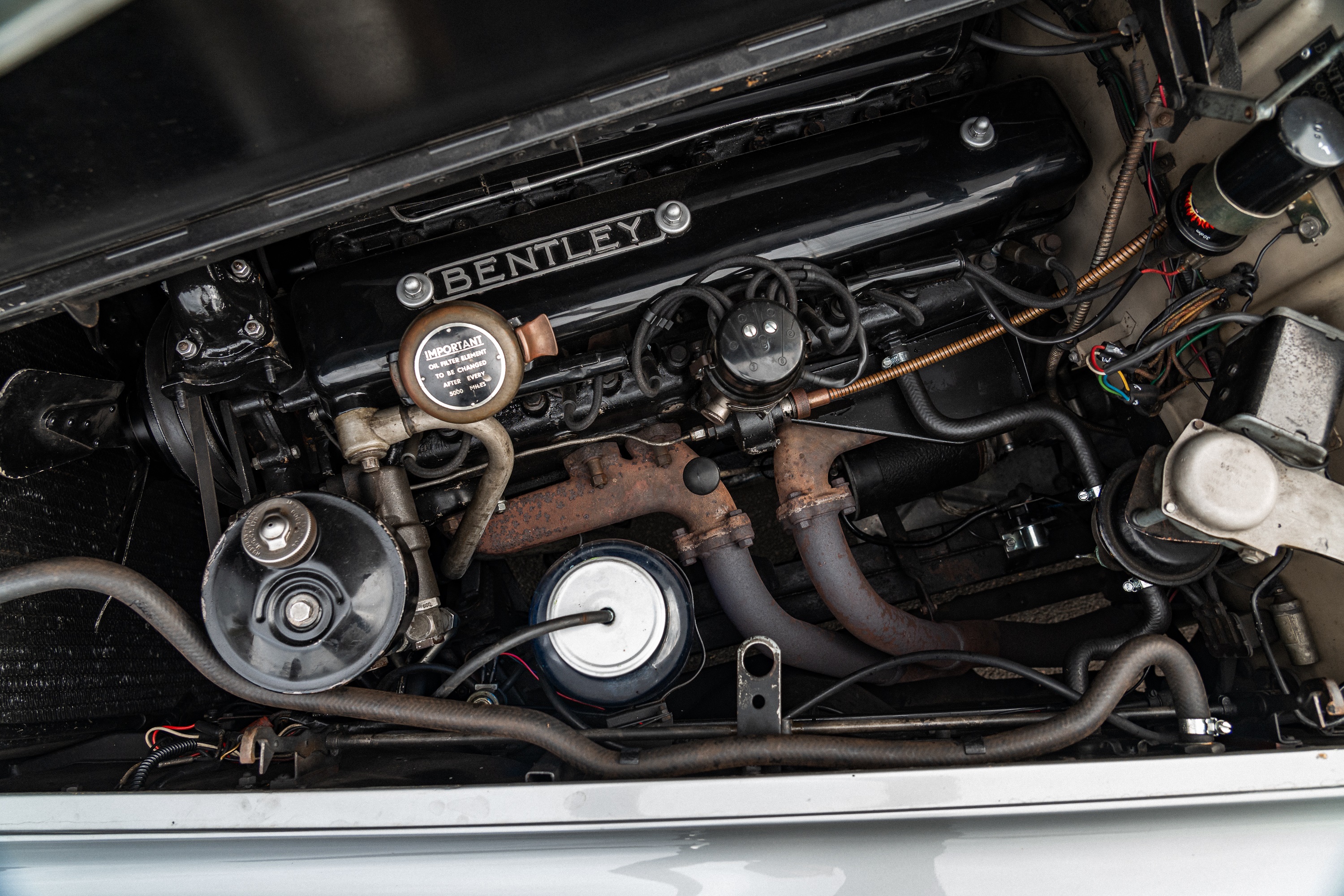
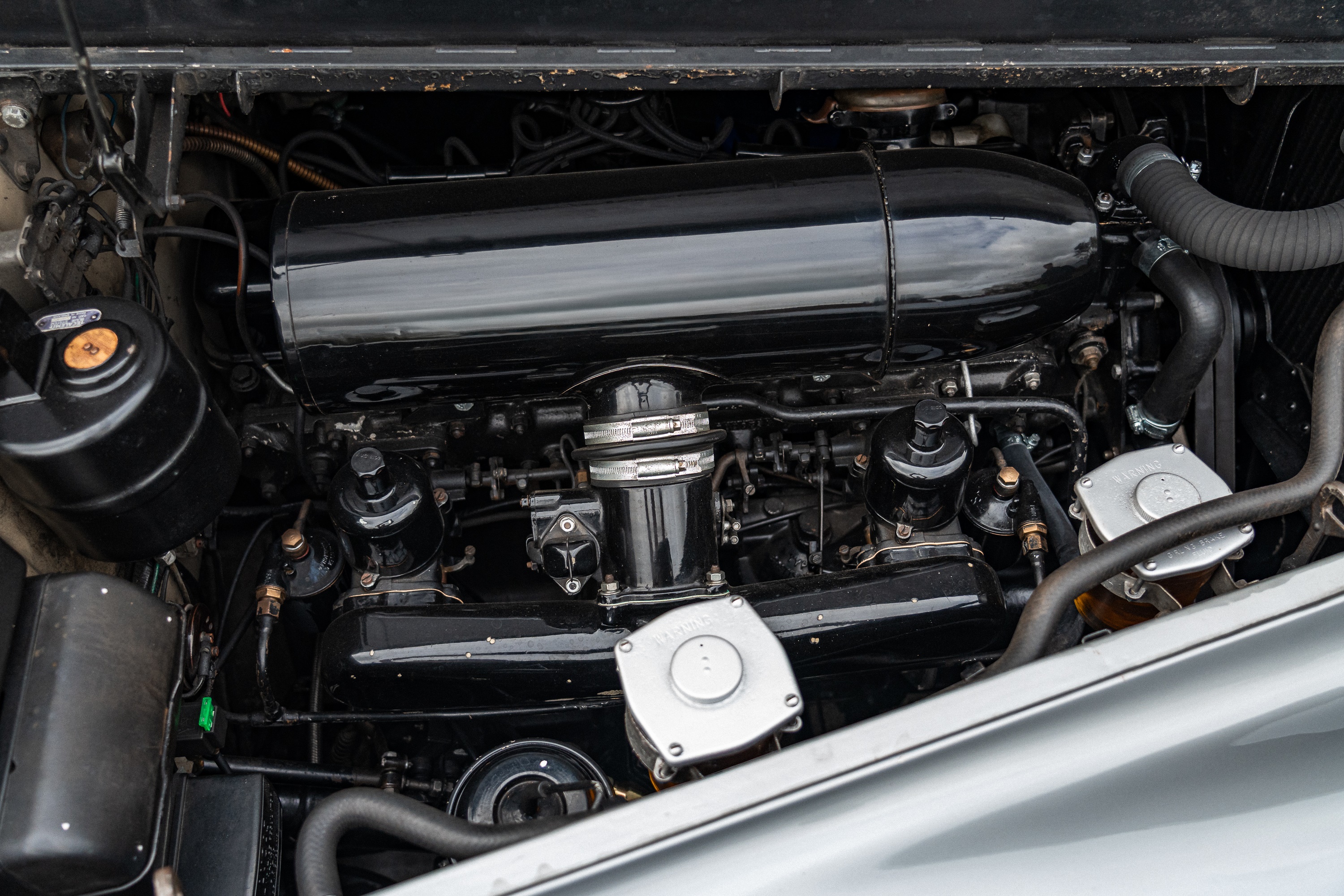
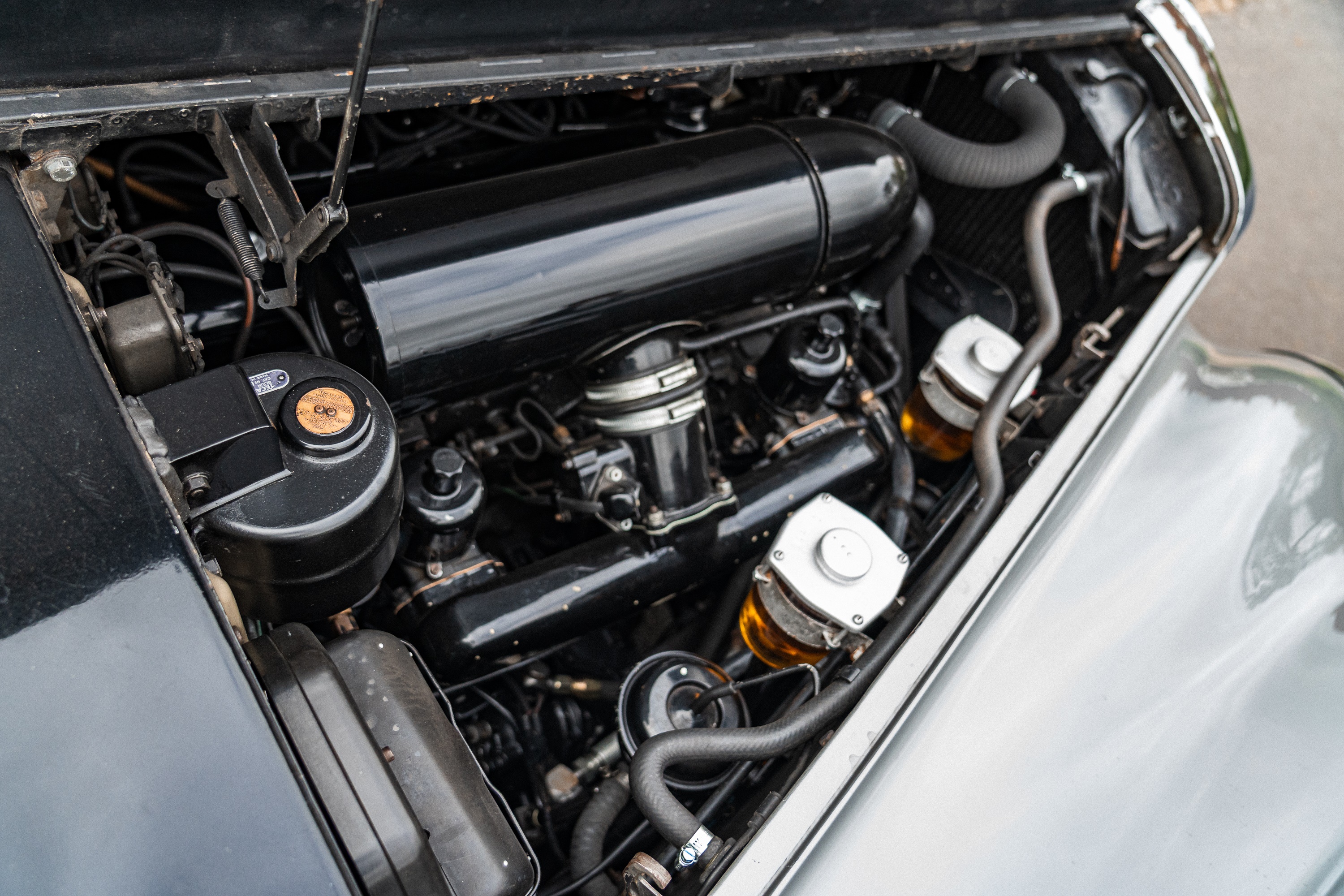
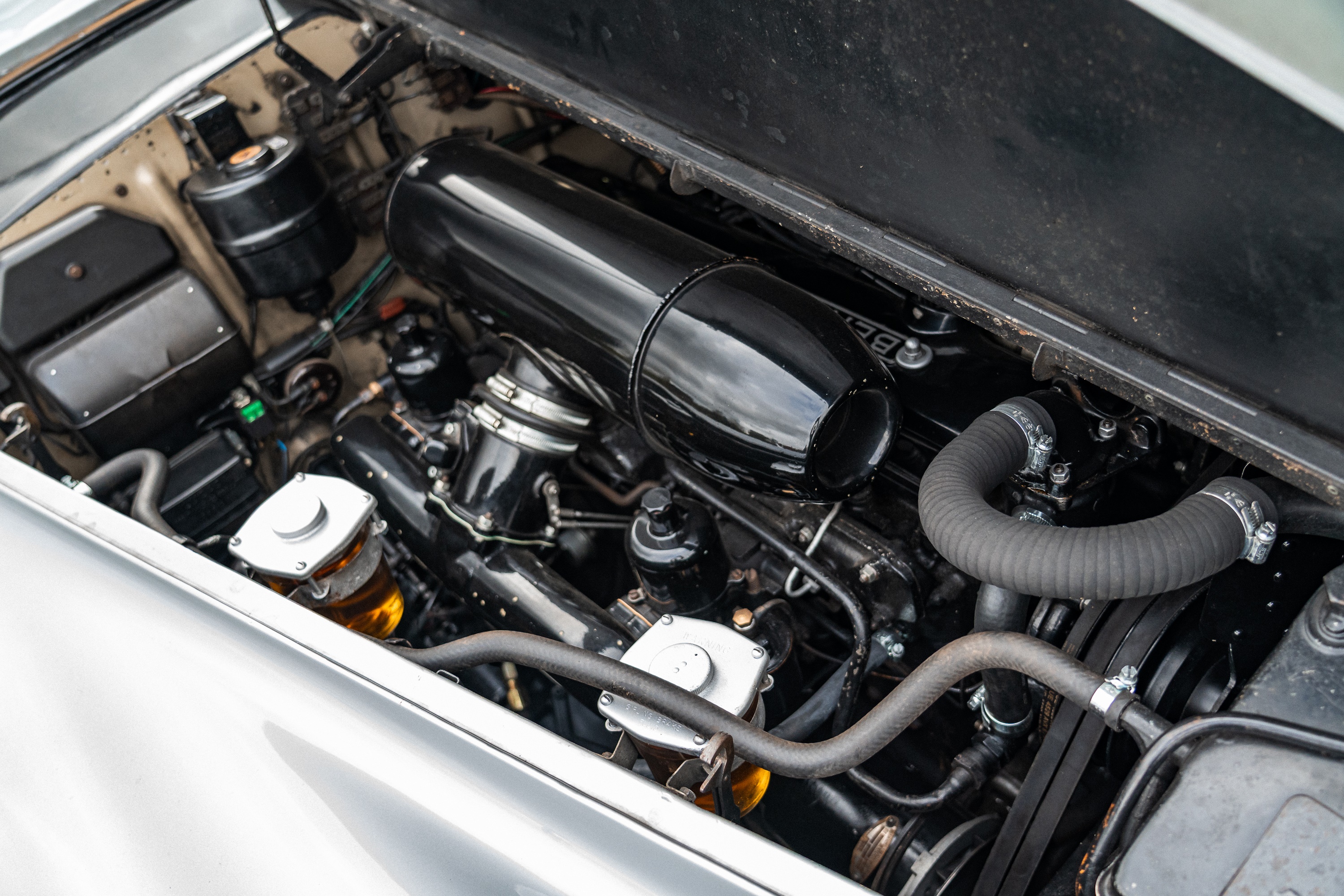
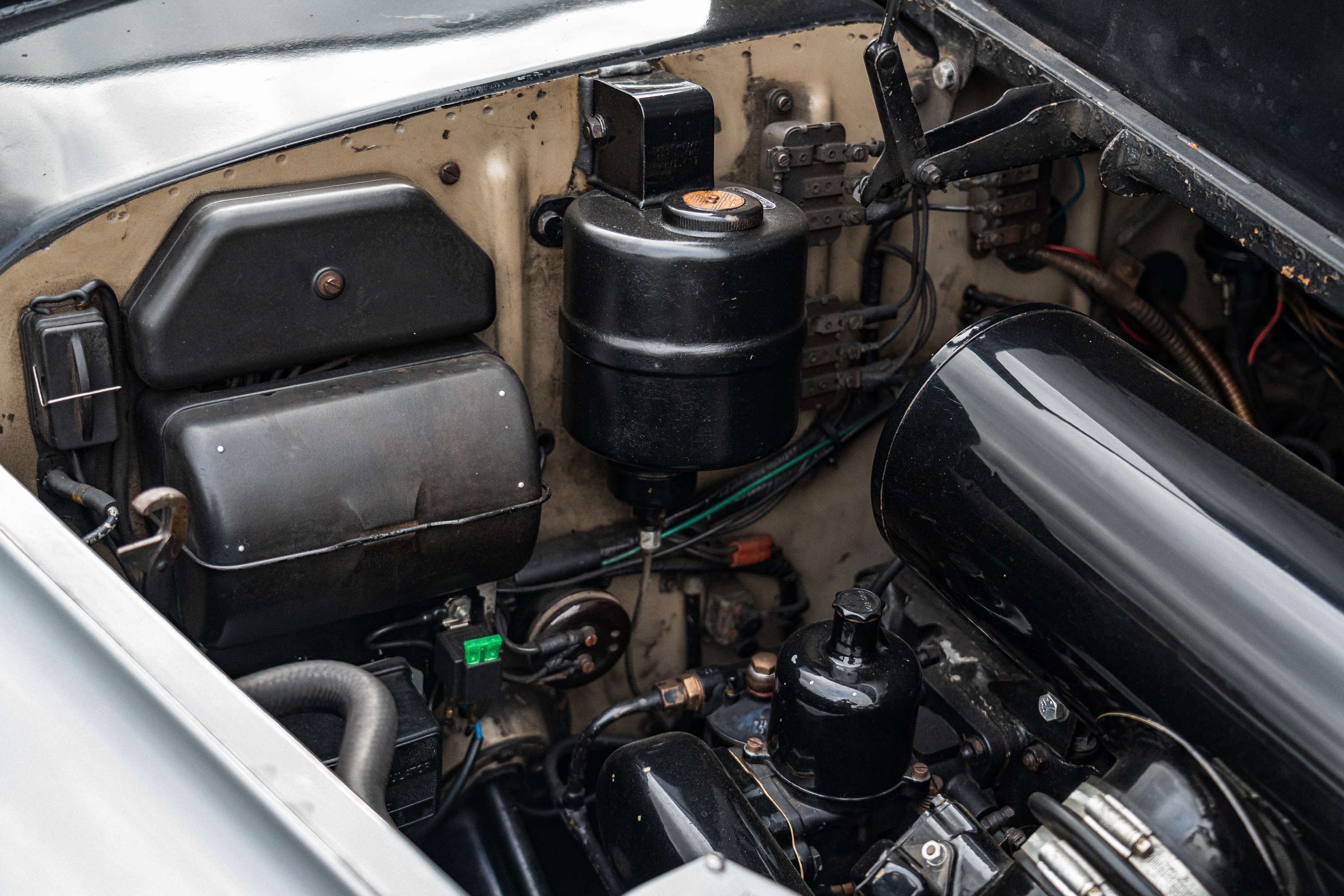
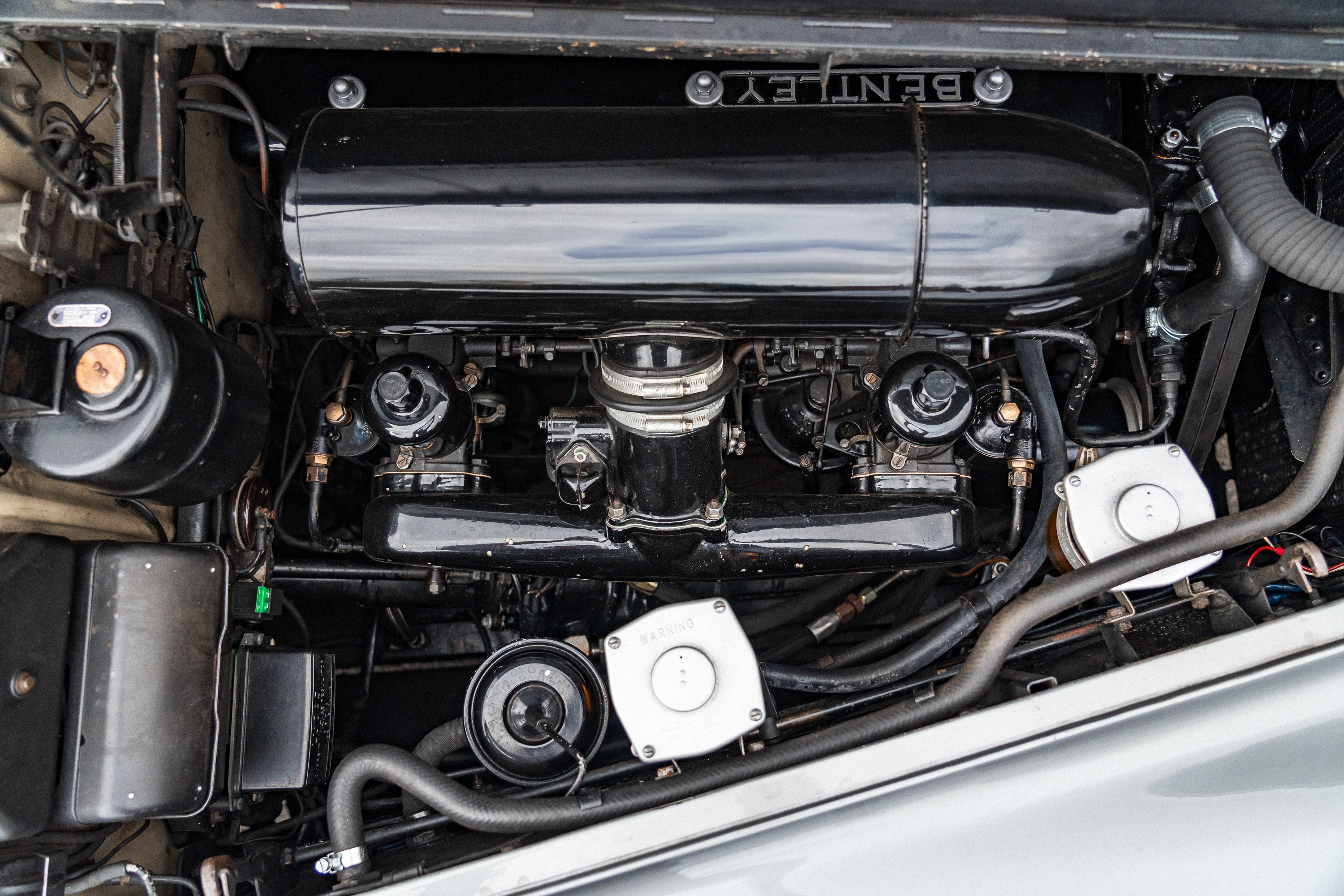
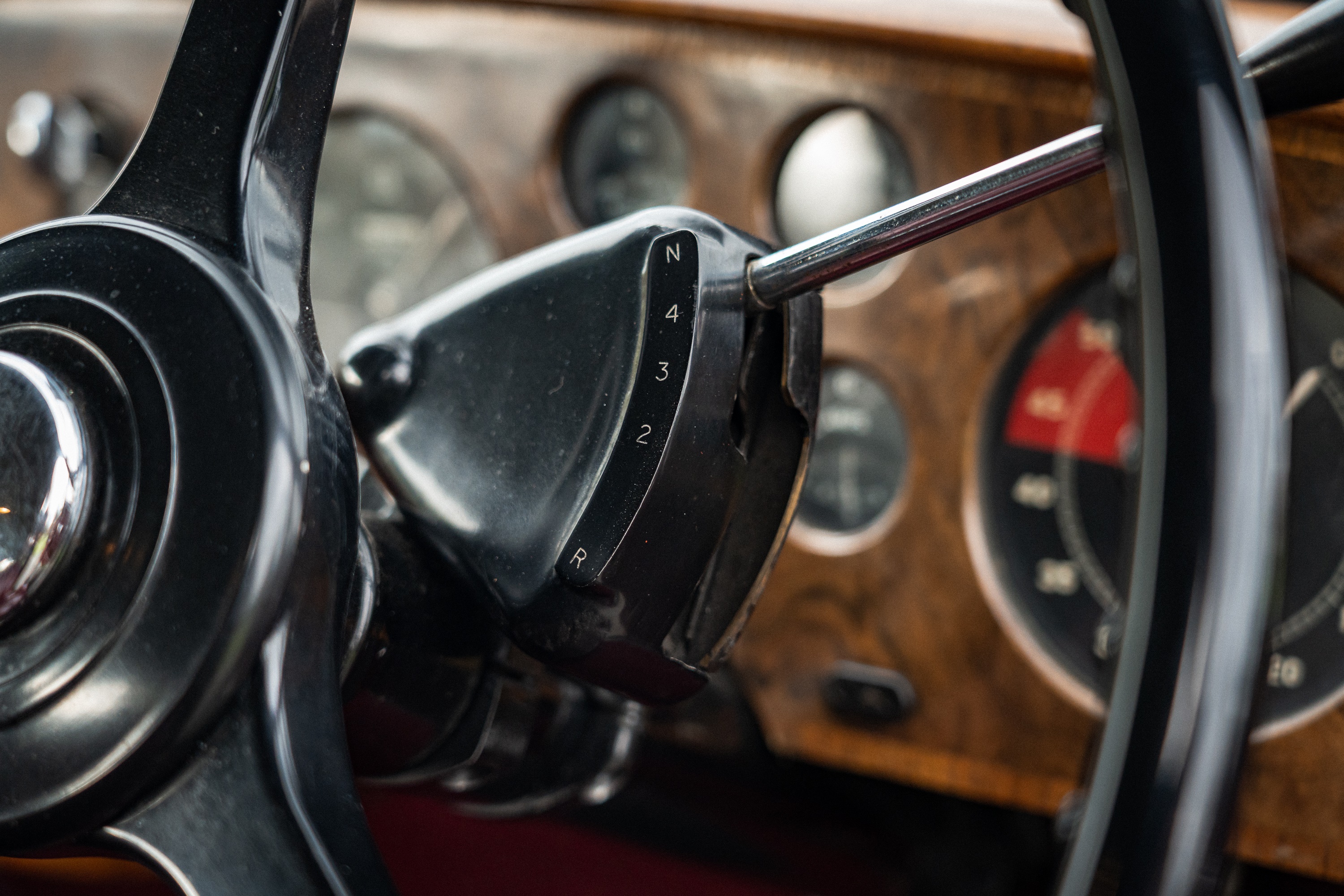
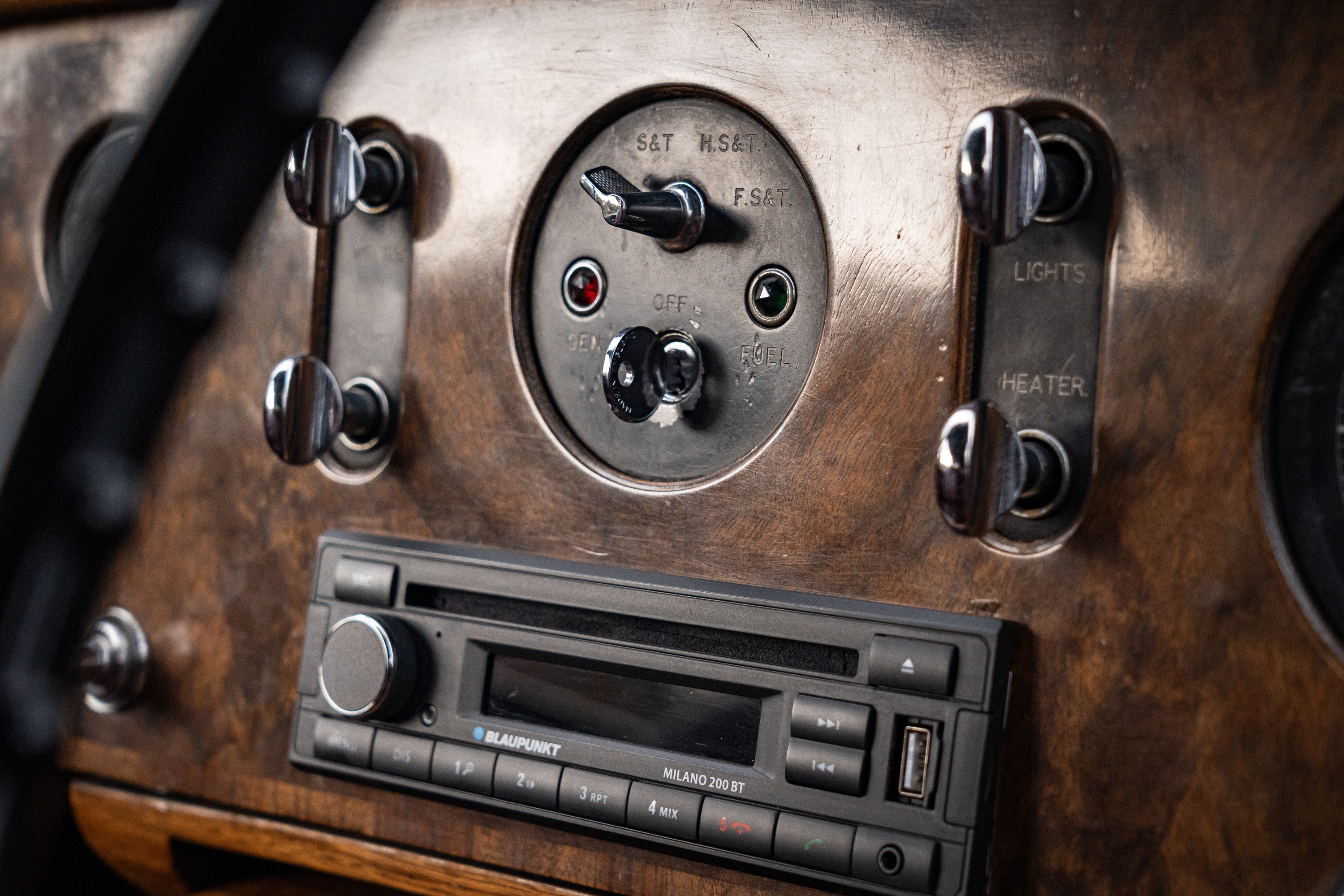
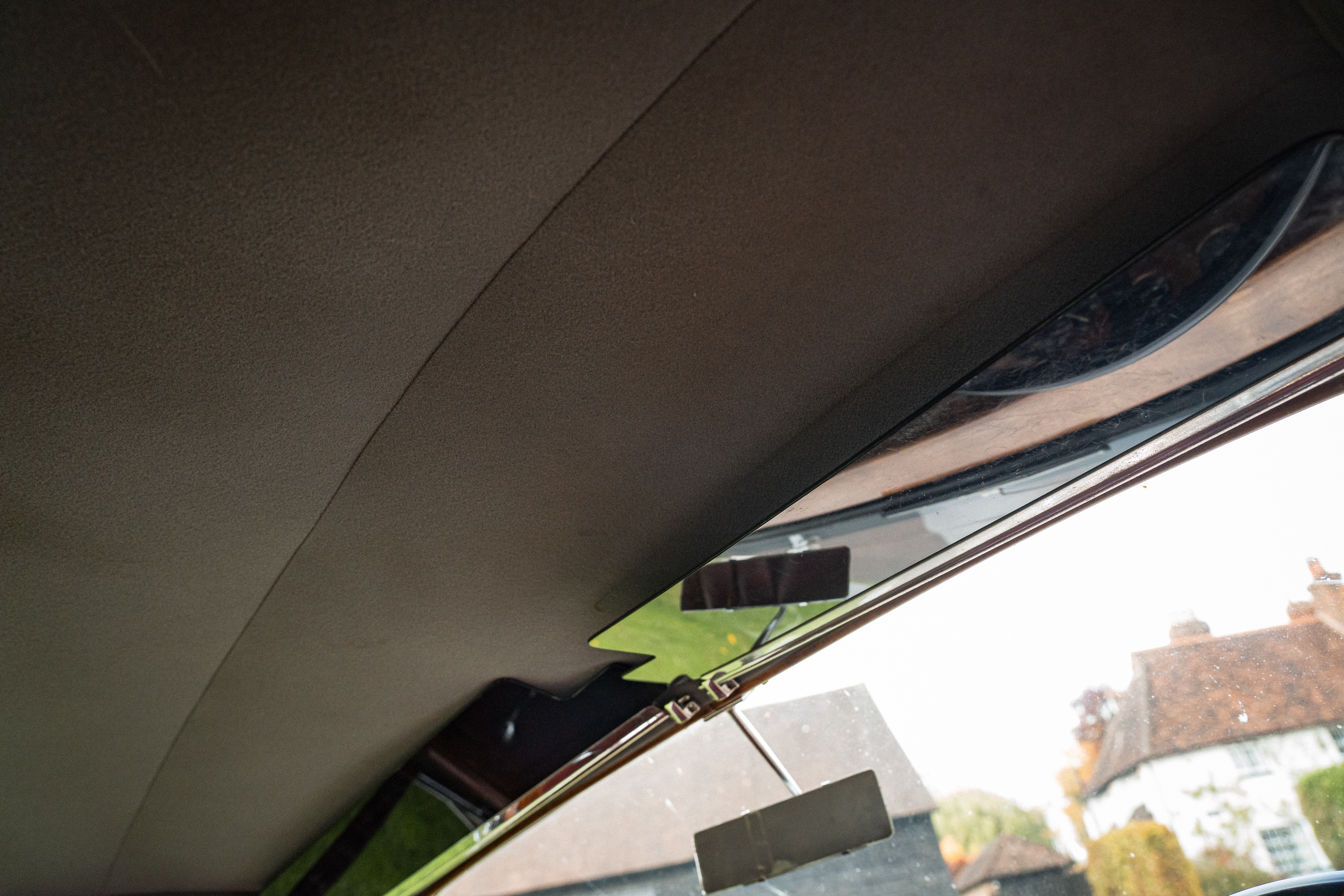
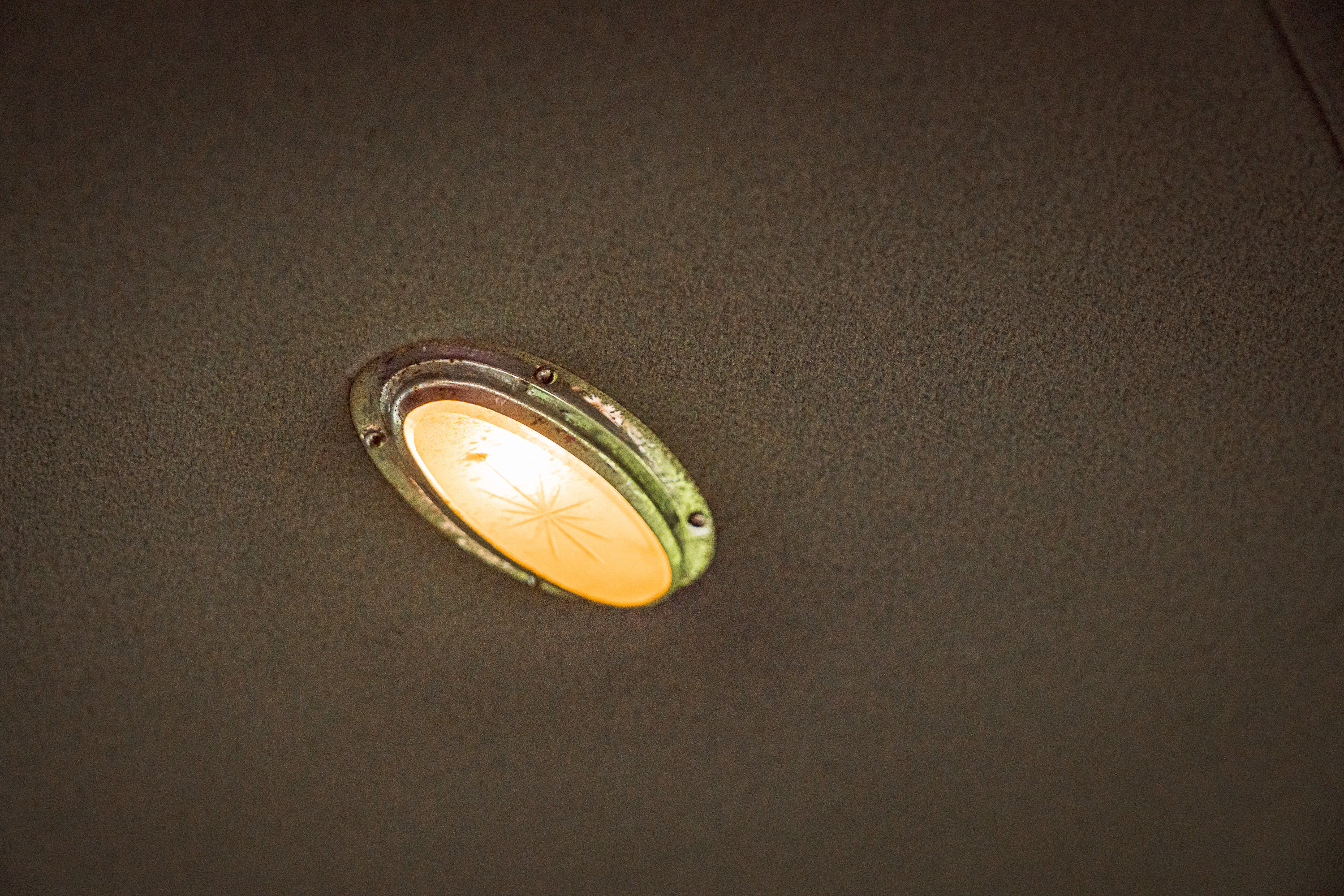
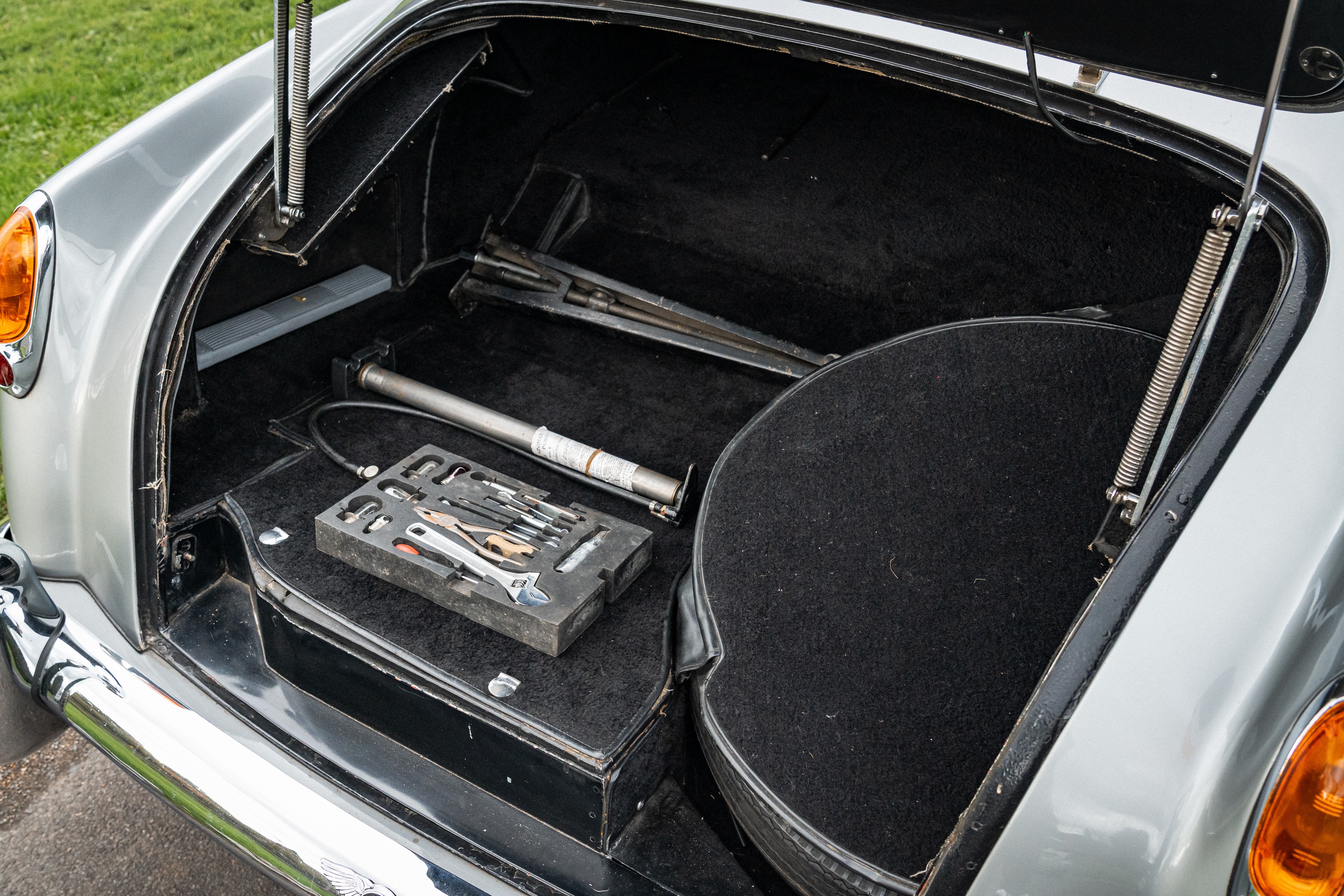
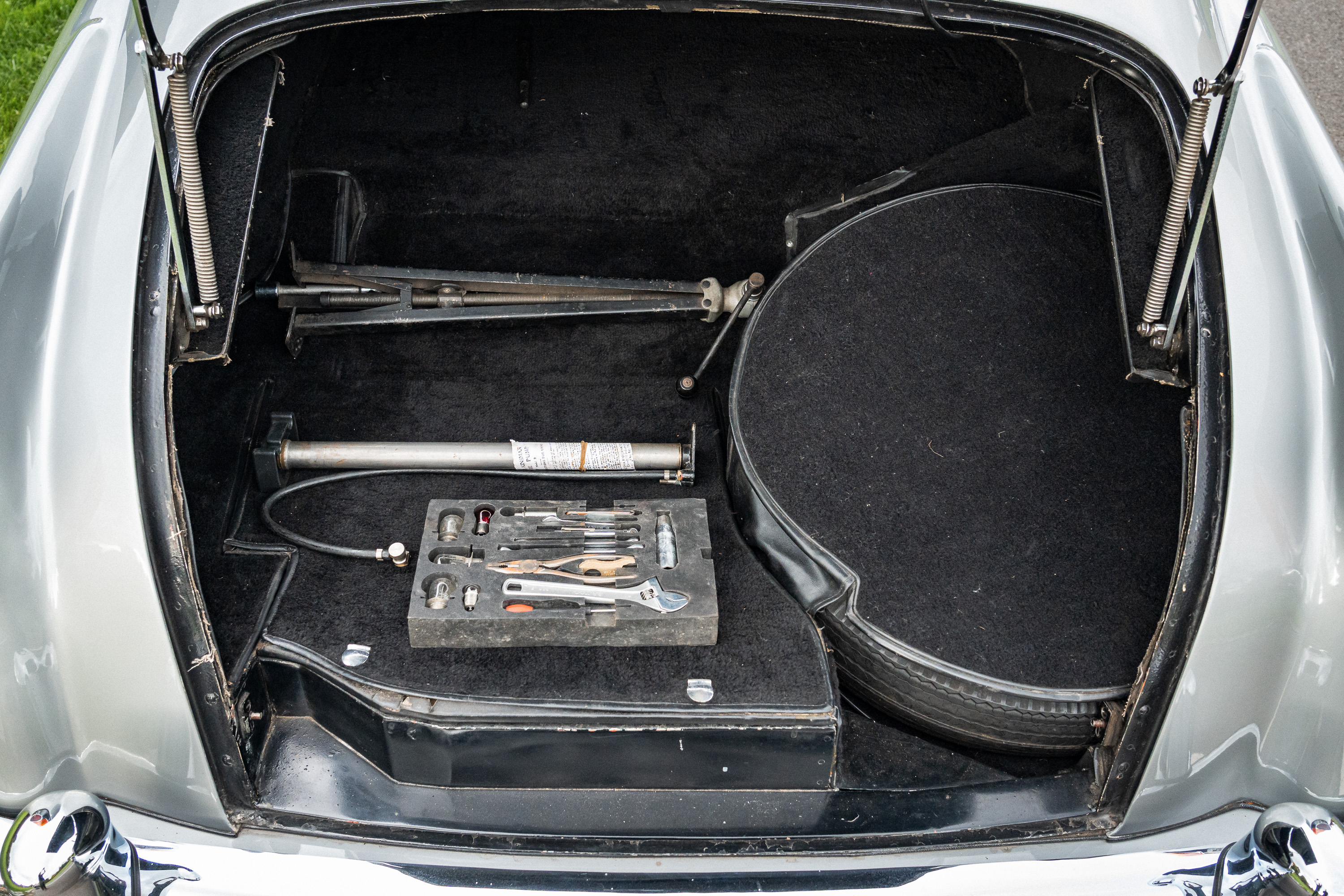
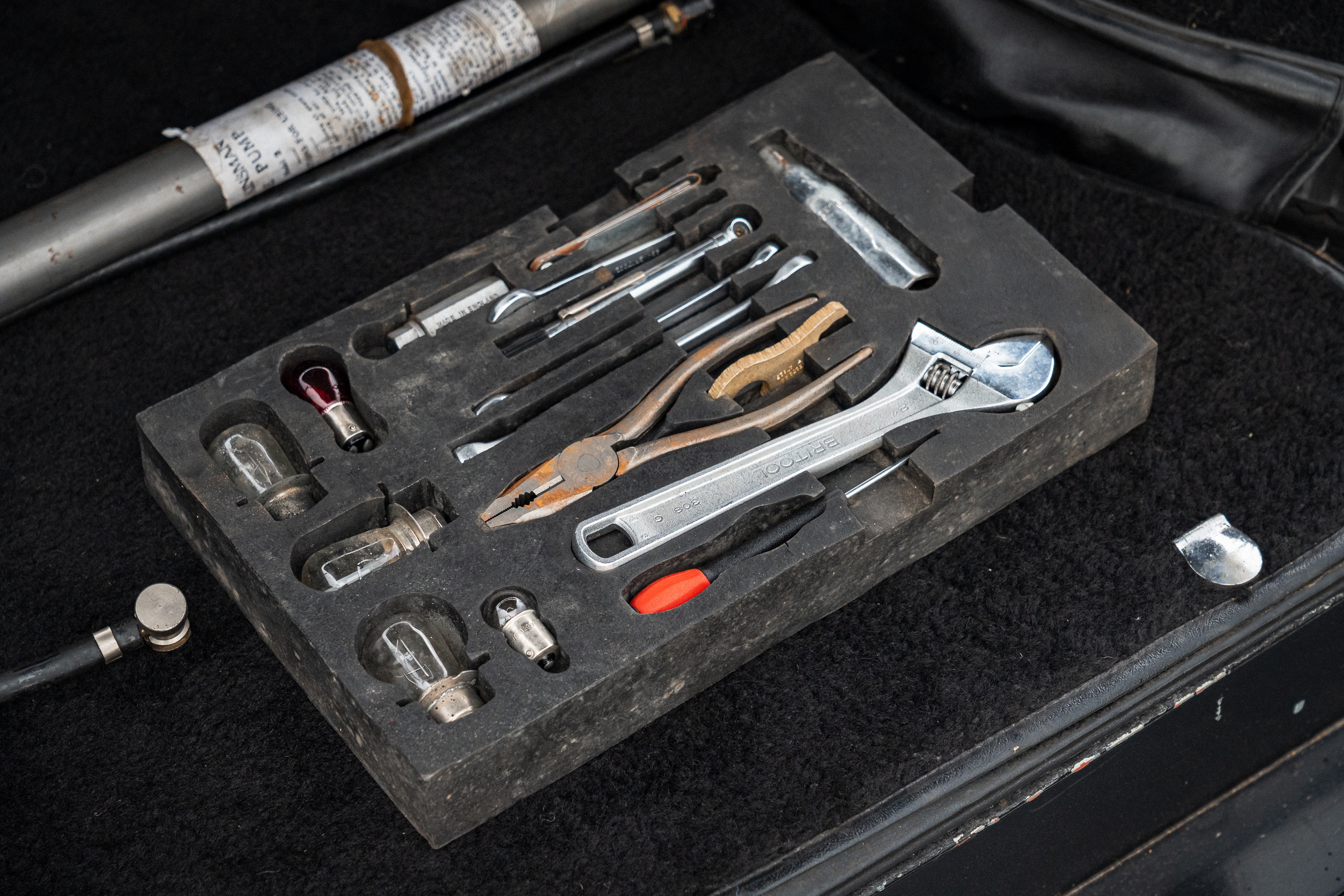
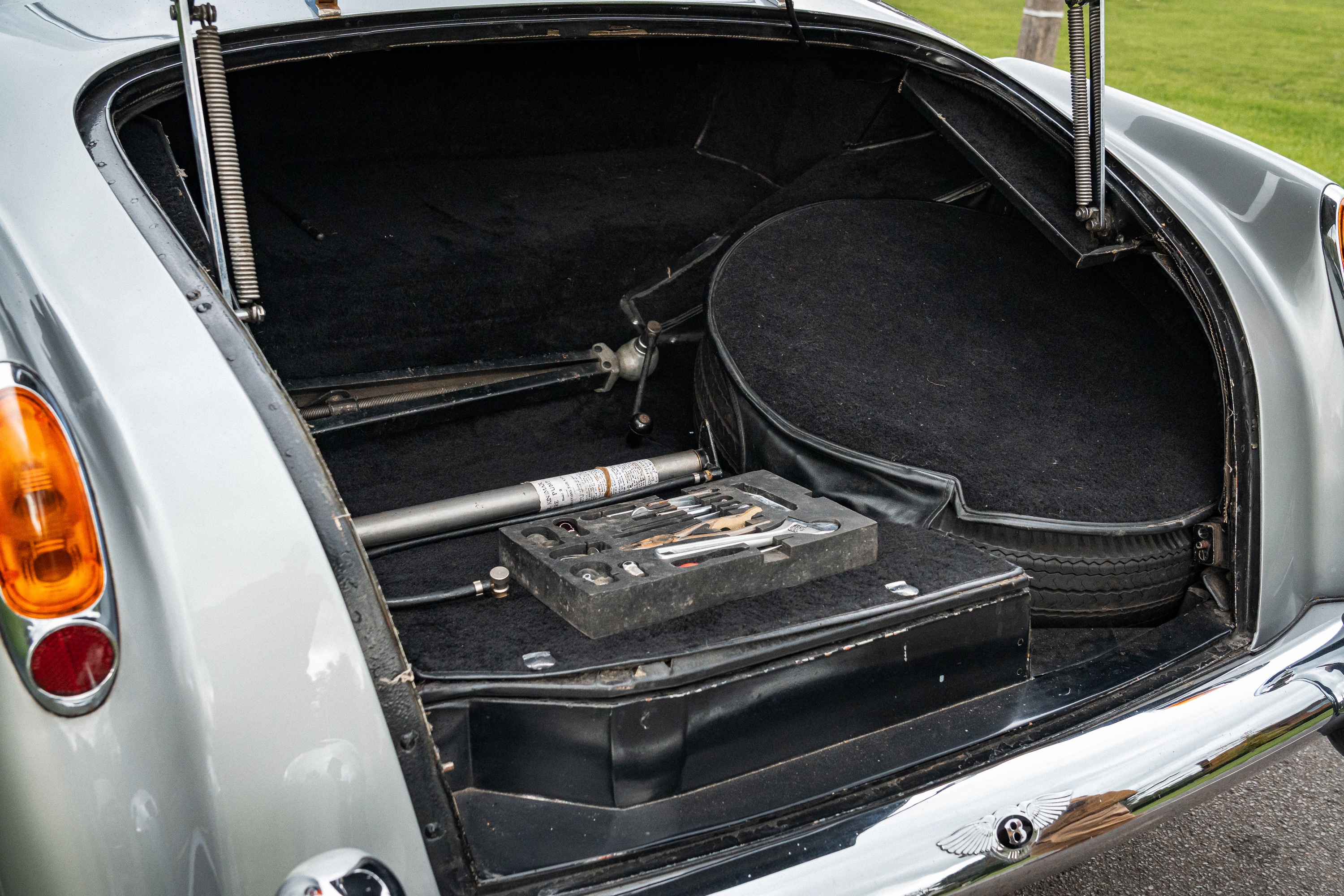
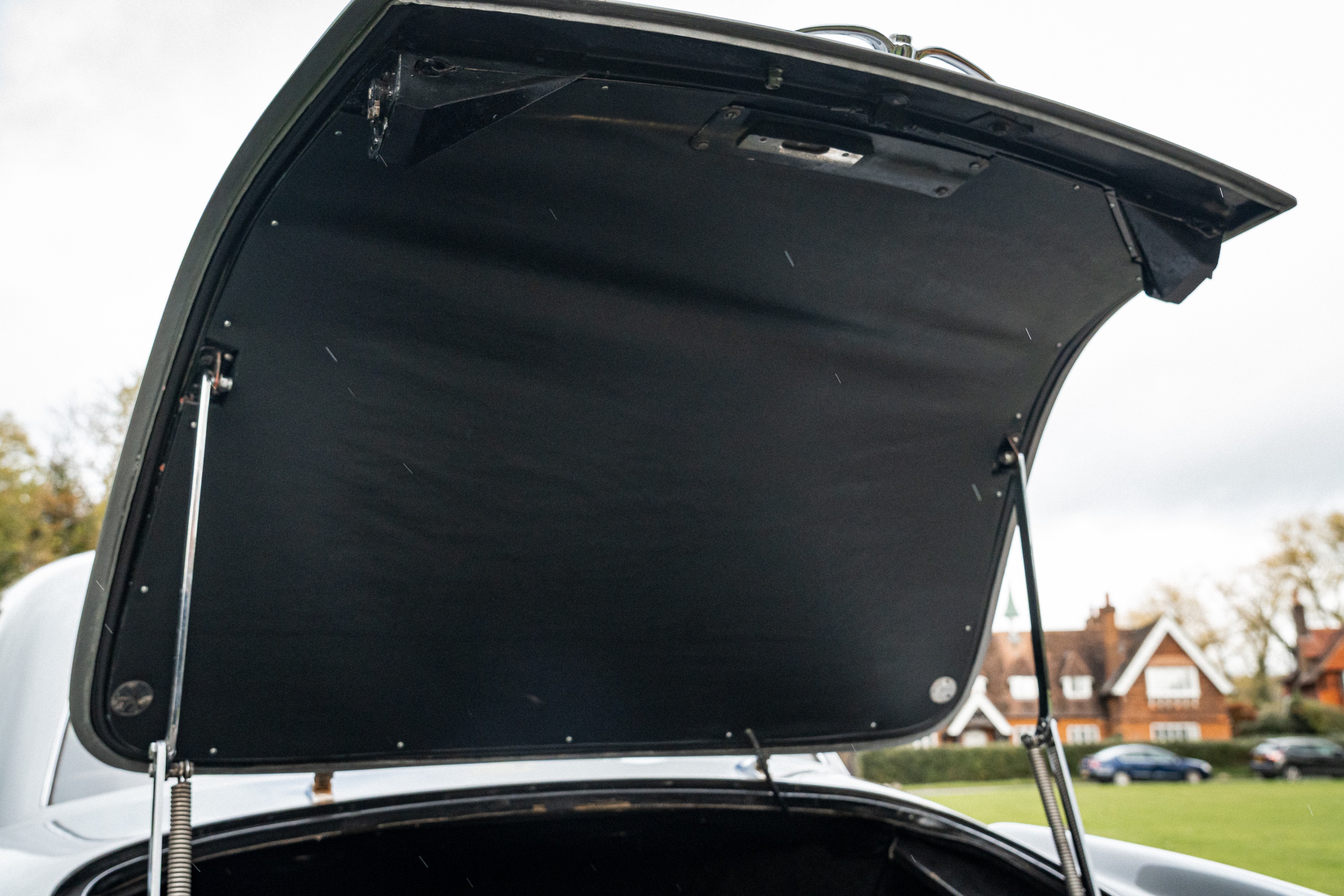
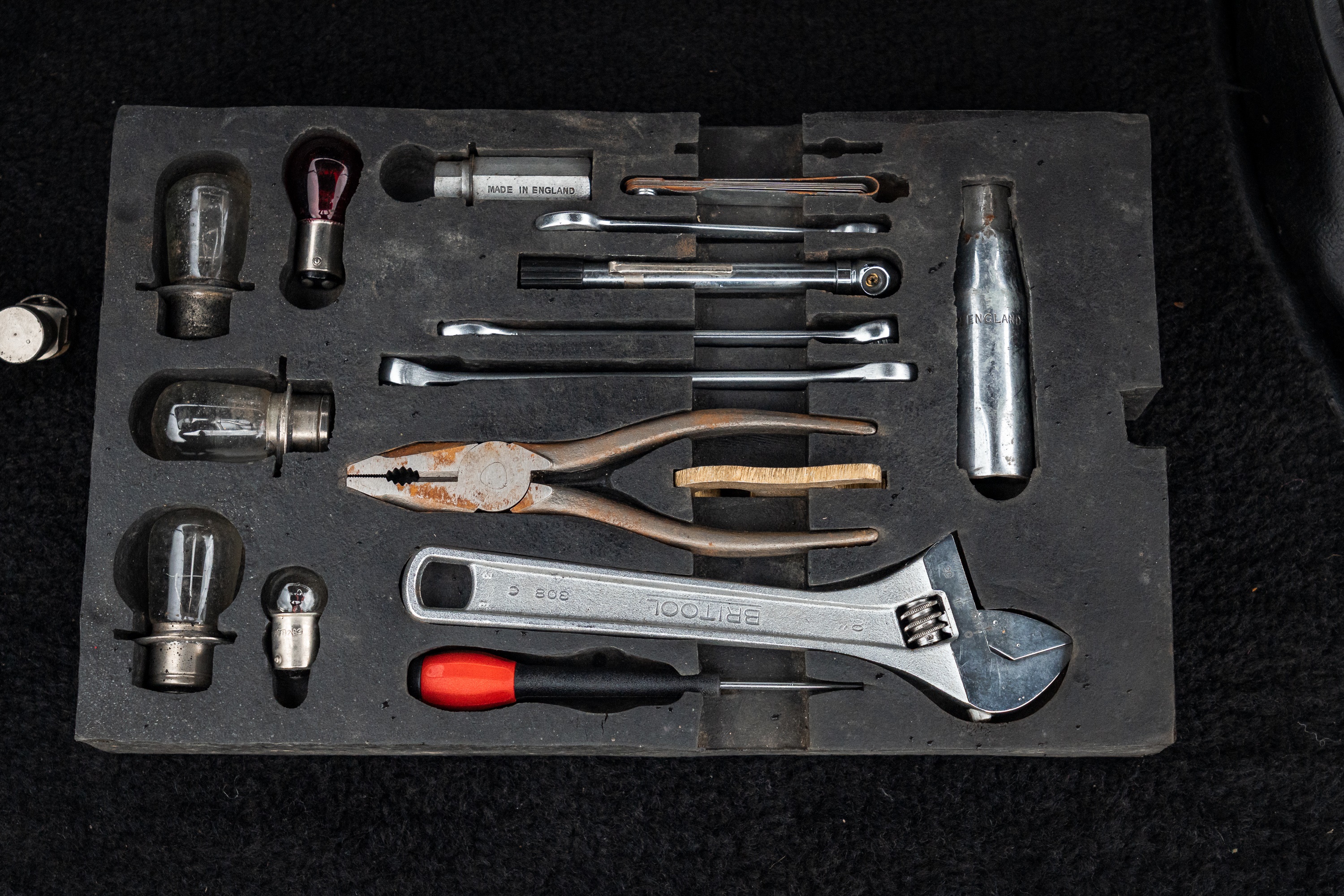
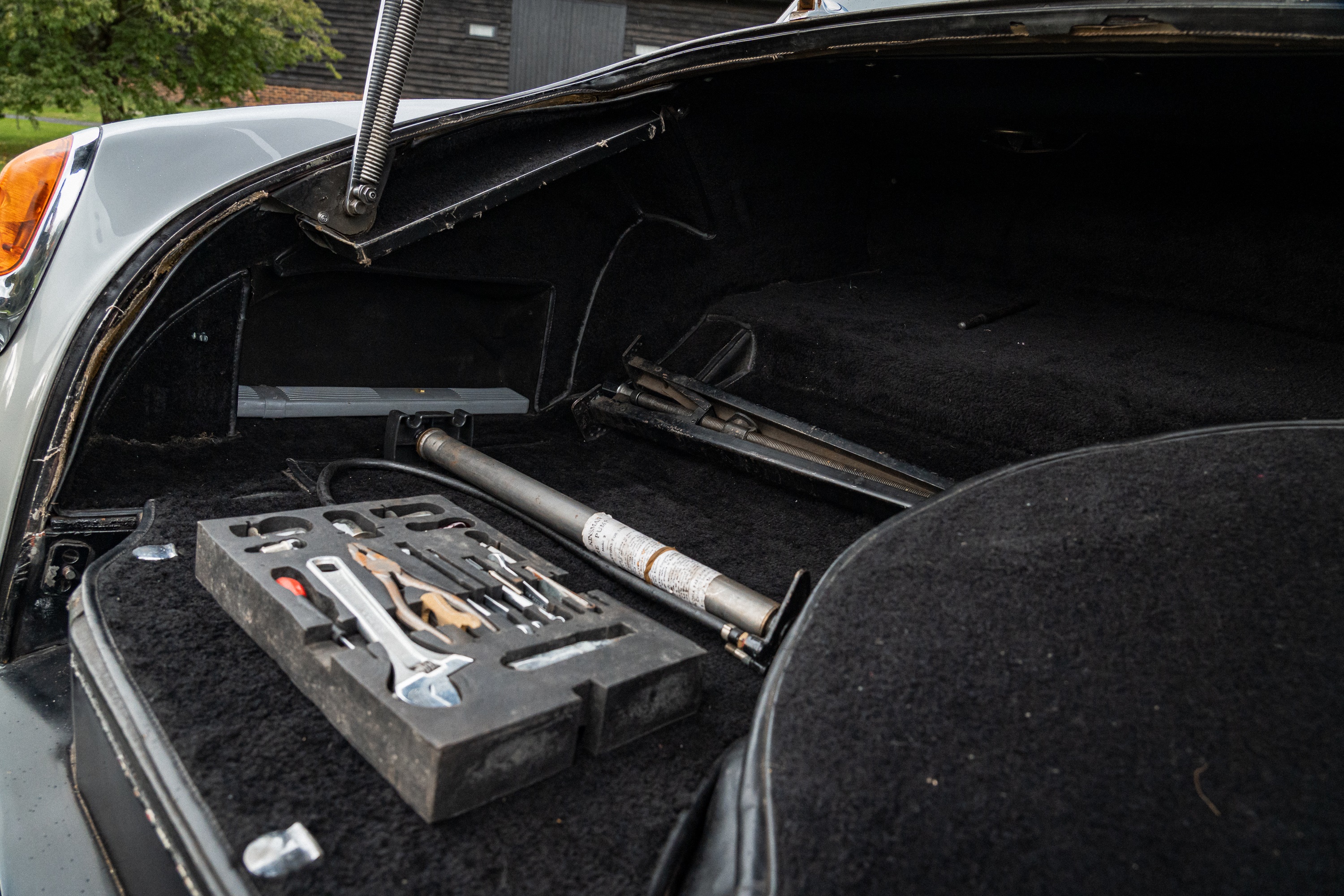
Unveiled in the autumn of 1955, some six months after its Standard Steel Saloon sibling, the Continental version of the Bentley S-type was only available by special order with a choice of bodies from Bentley’s favoured coachbuilders. Featuring a higher compression ratio and taller back axle ratio, the newcomer was tested up to speeds exceeding 120mph. Underpinned by the same cruciform-braced box-section chassis as the ‘basic’ S-type, complete with independent front suspension, a ‘live’ rear axle and servo-assisted four-wheel drum brakes, most of the coachbuilders that clothed it favoured aluminium panelling. Lighter and nimbler than the standard factory offering, Continentals were typically some fifty per cent. more expensive, too. Long considered among the best engines Bentley ever made, the S-type’s 4.9-litre straight-six was famed for its blend of torque, refinement and durability and was thus well-suited to the standard four-speed automatic transmission. Among the era's fastest and most exclusive four-seaters, the last of 431 S-type Continentals (retrospectively known as S1s) was completed in 1959, when the S2 model took over.
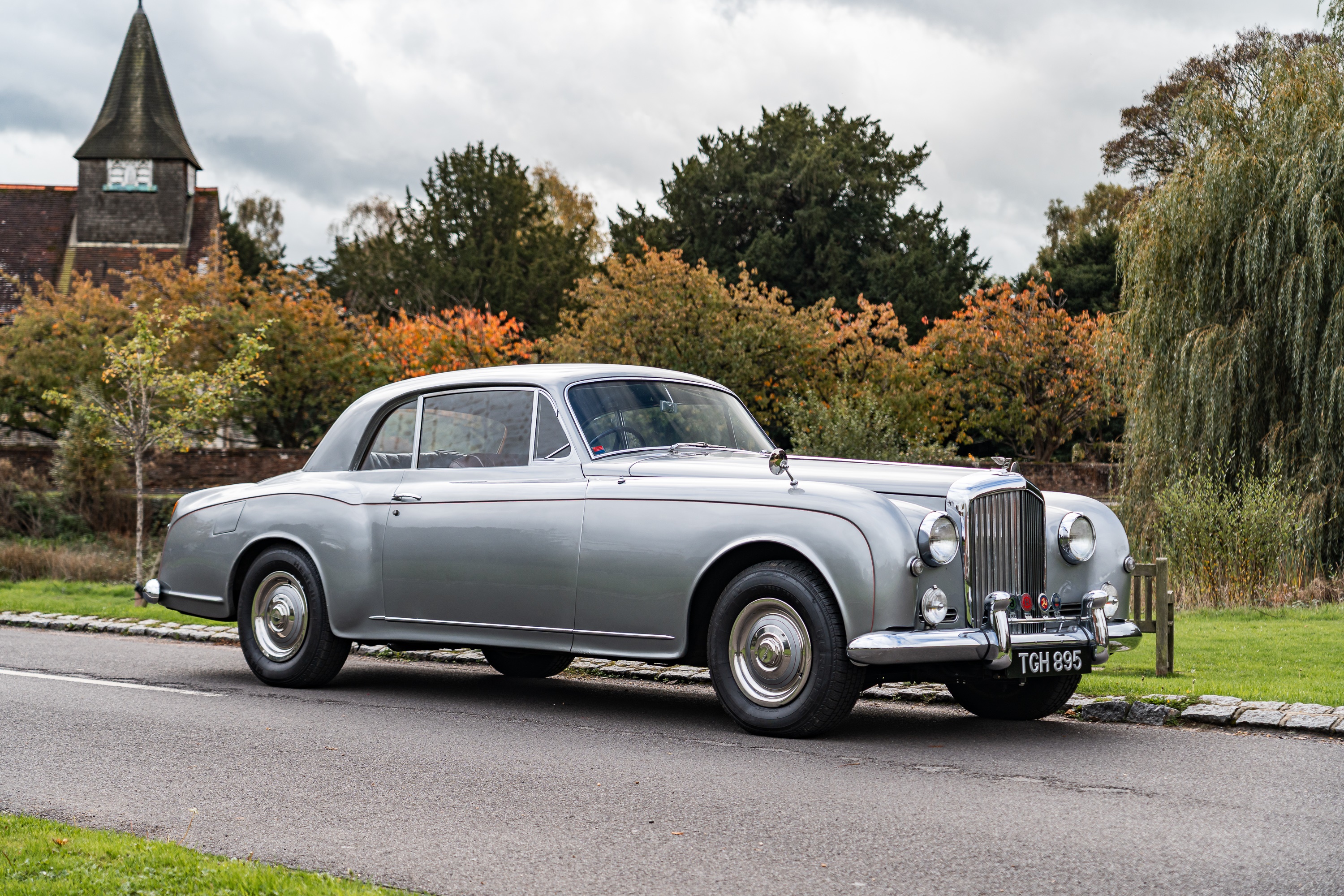
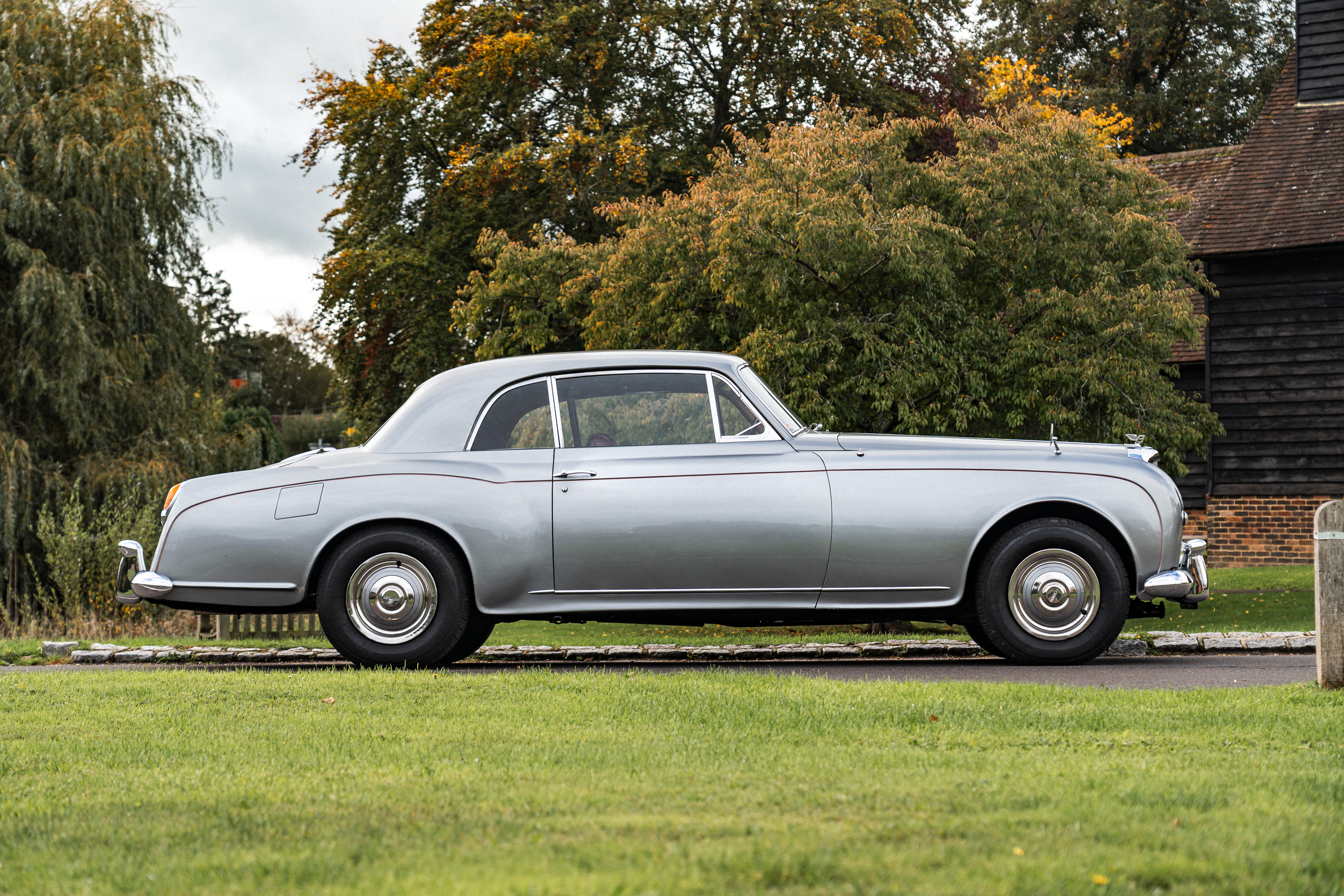
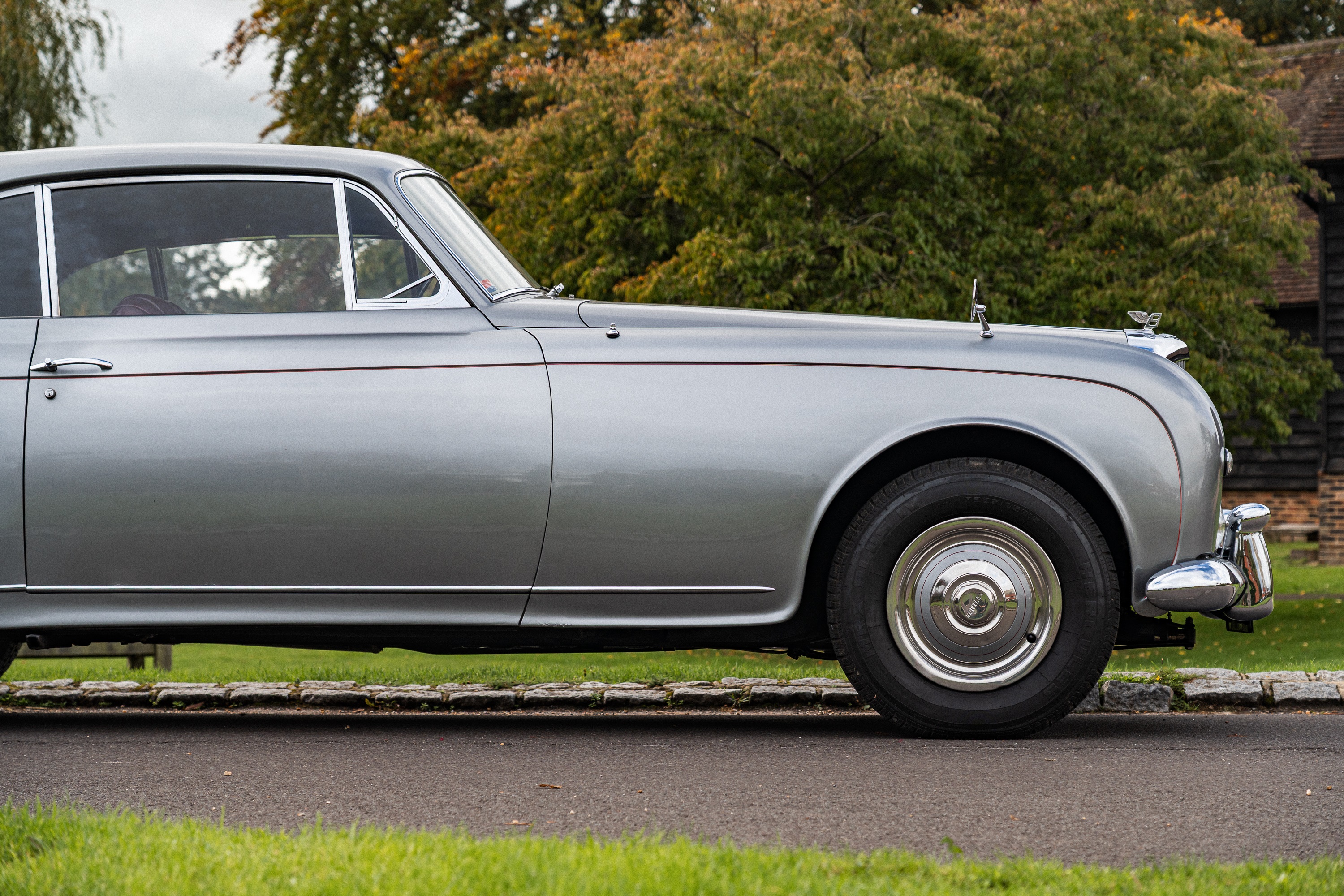
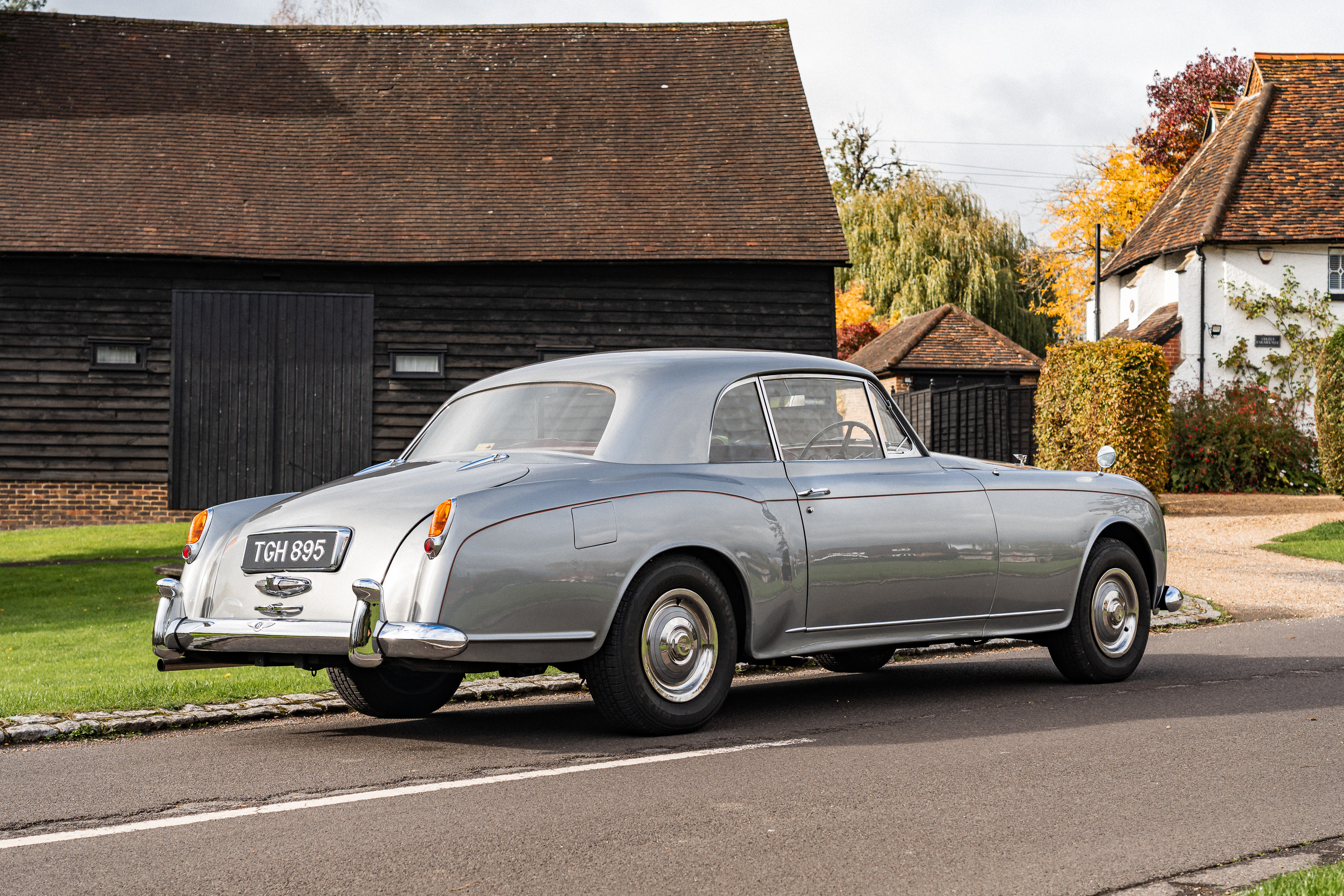
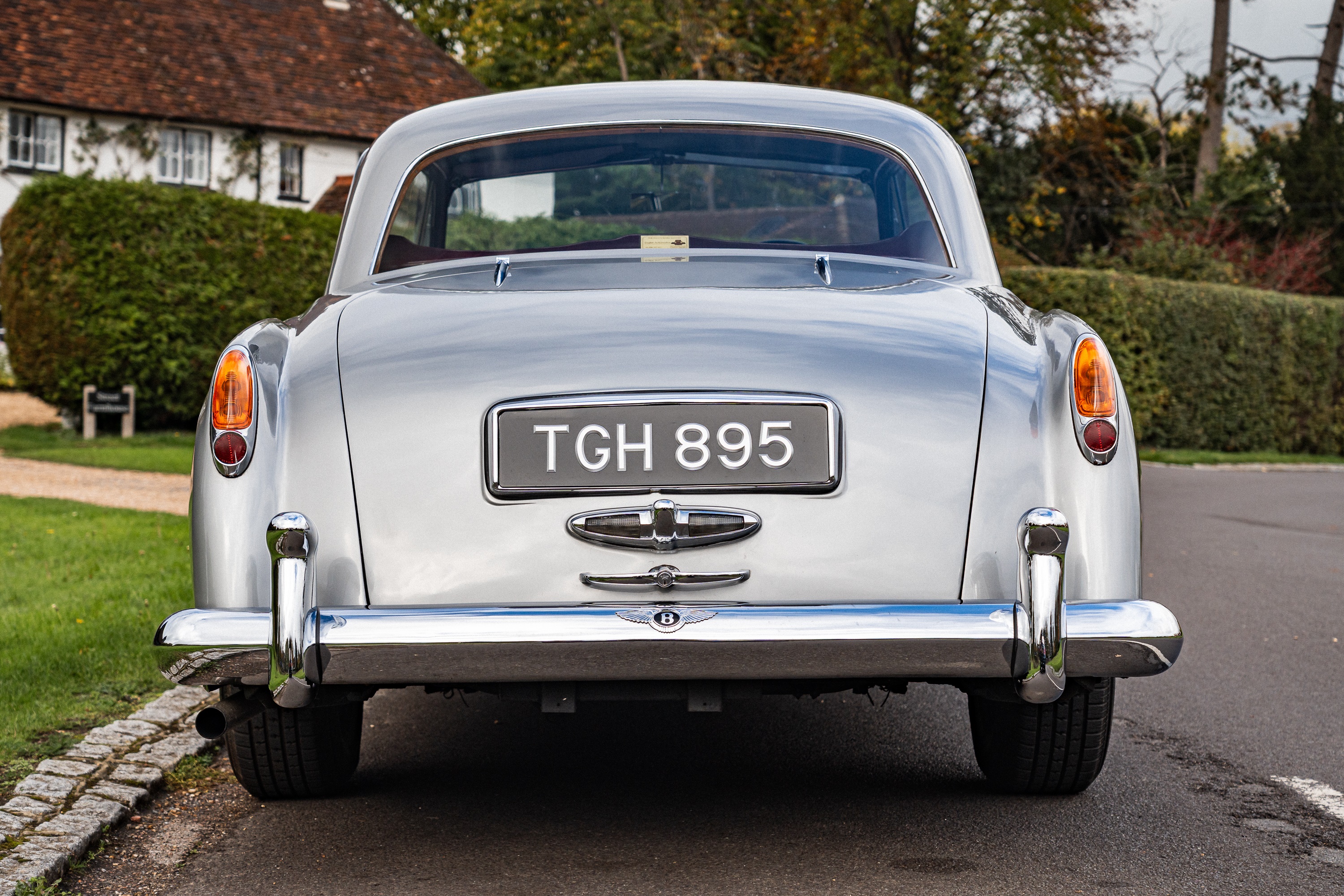
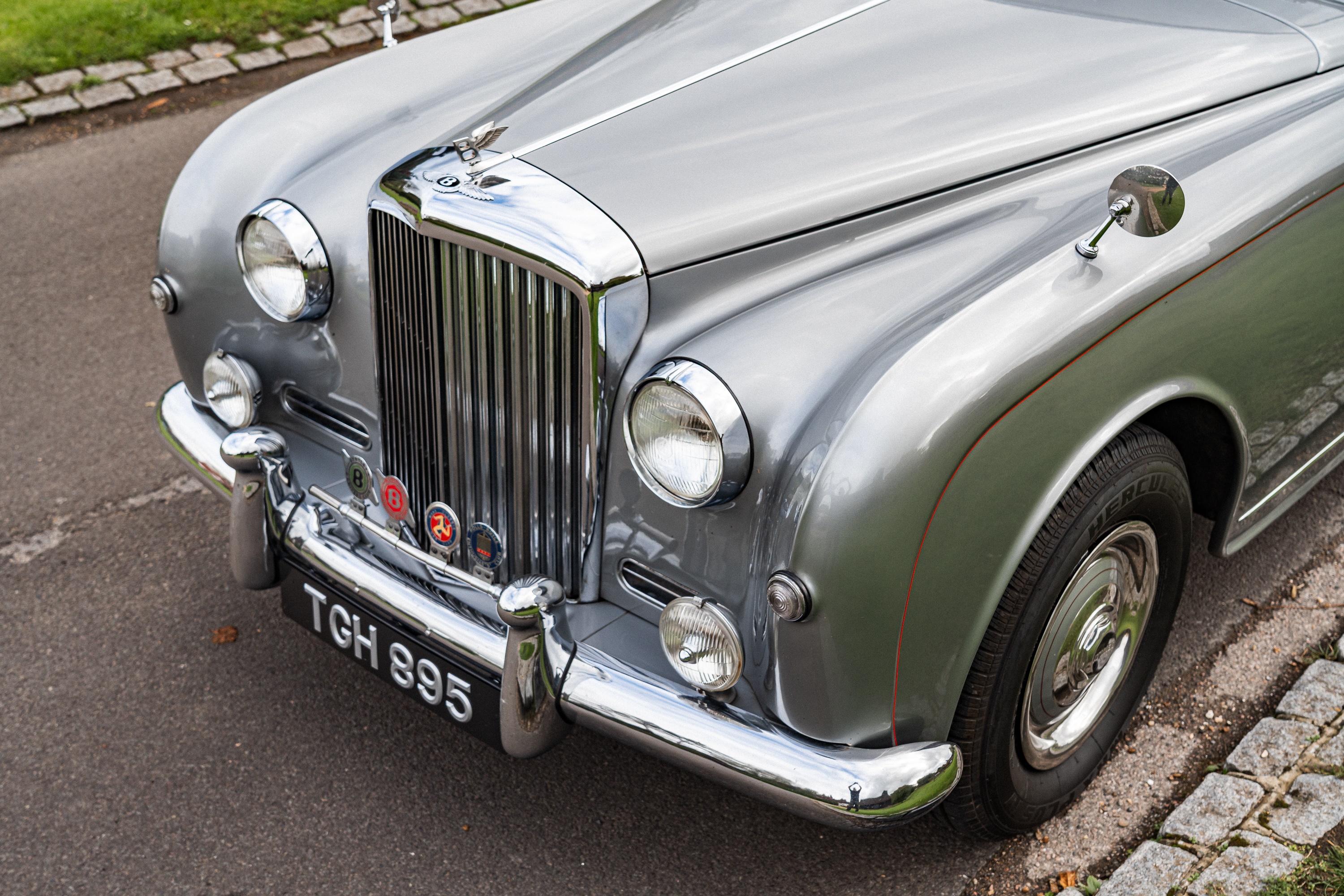
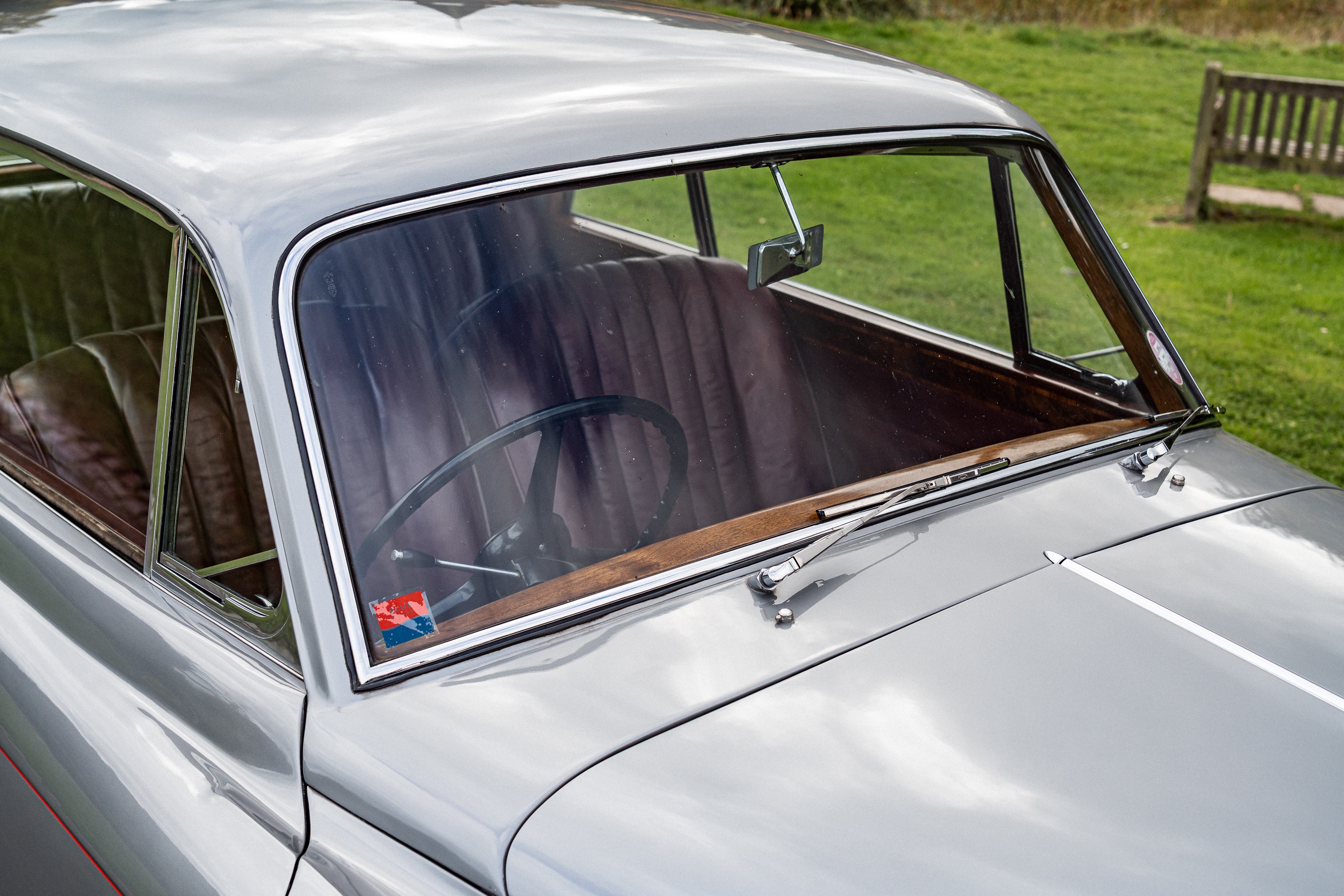
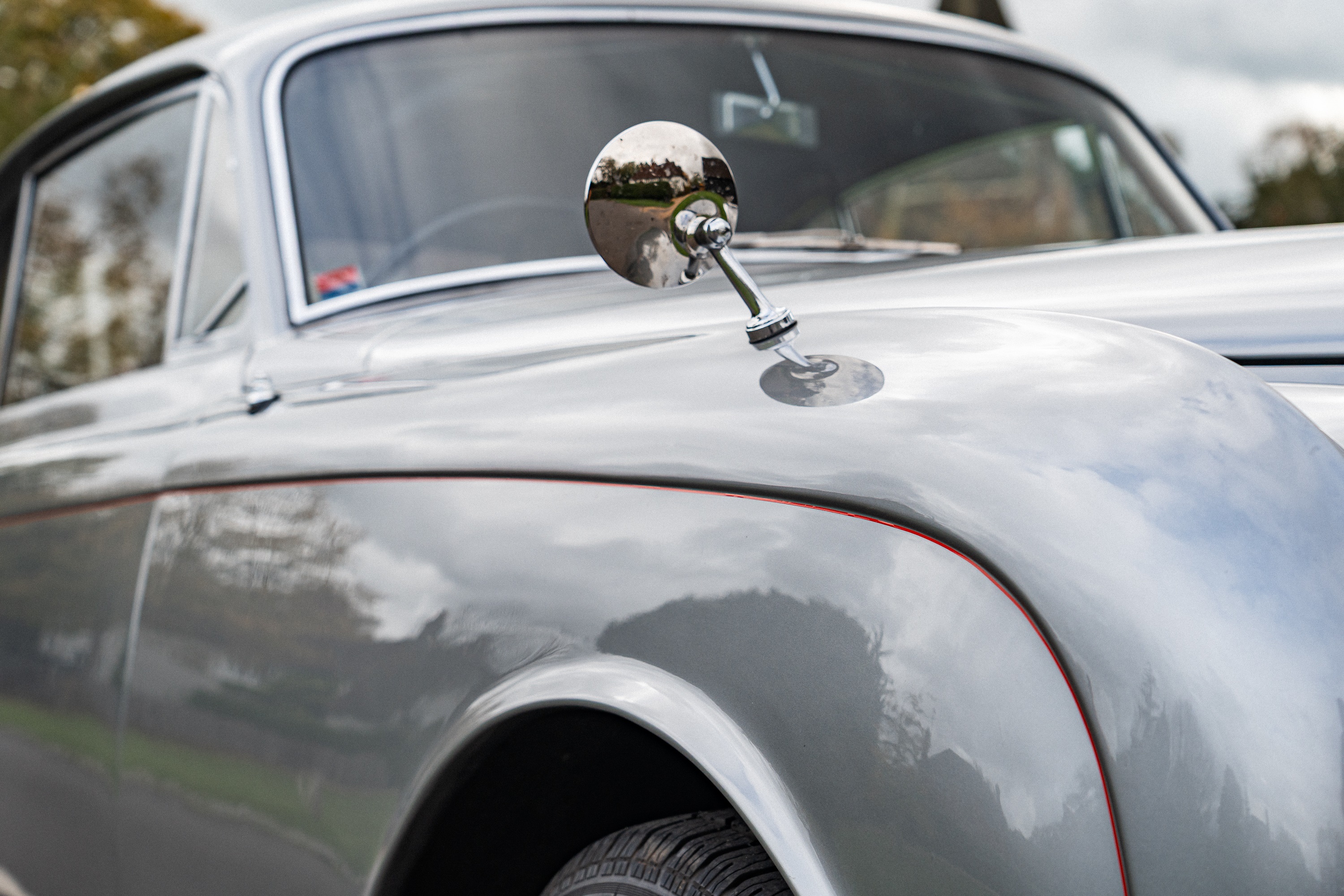
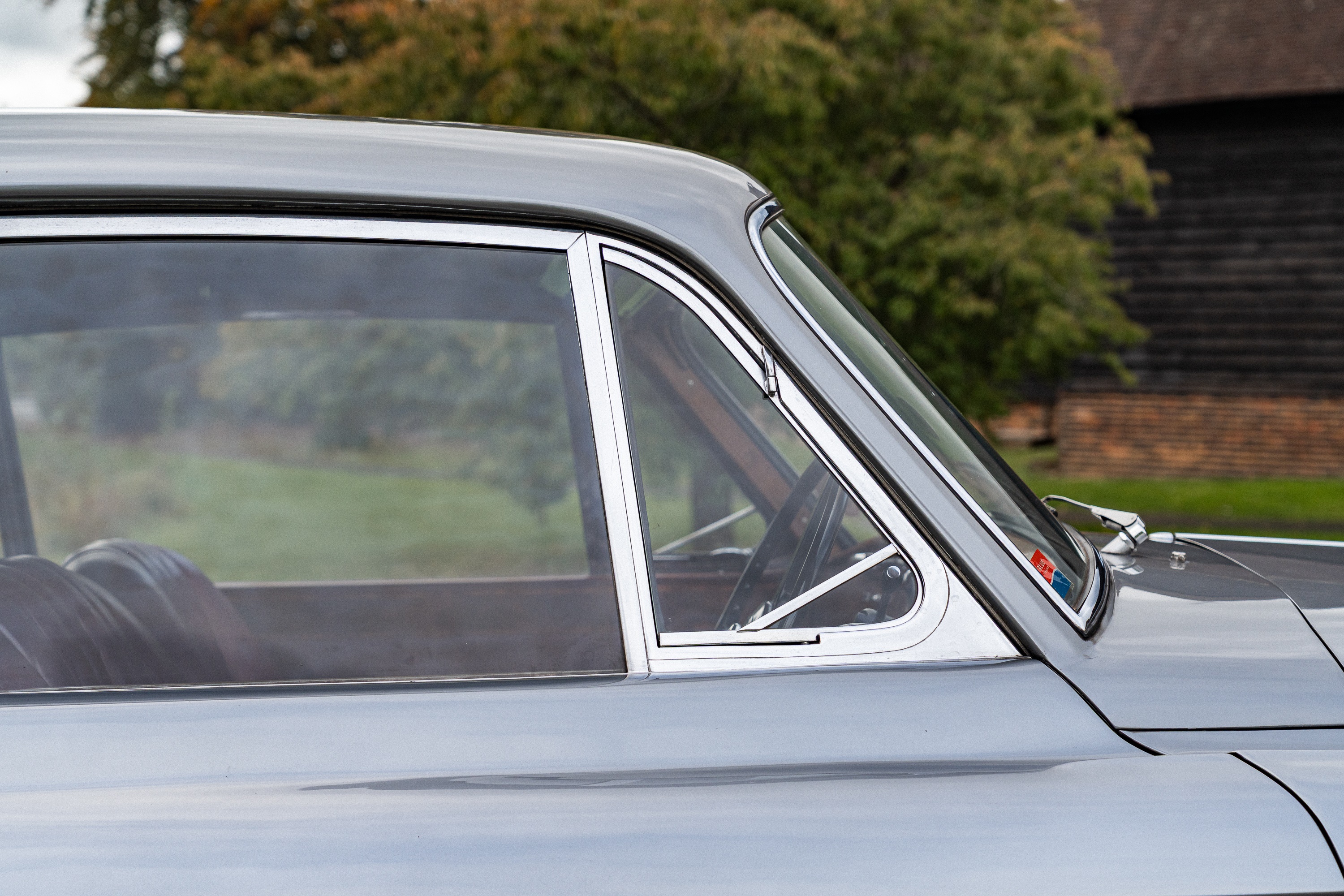
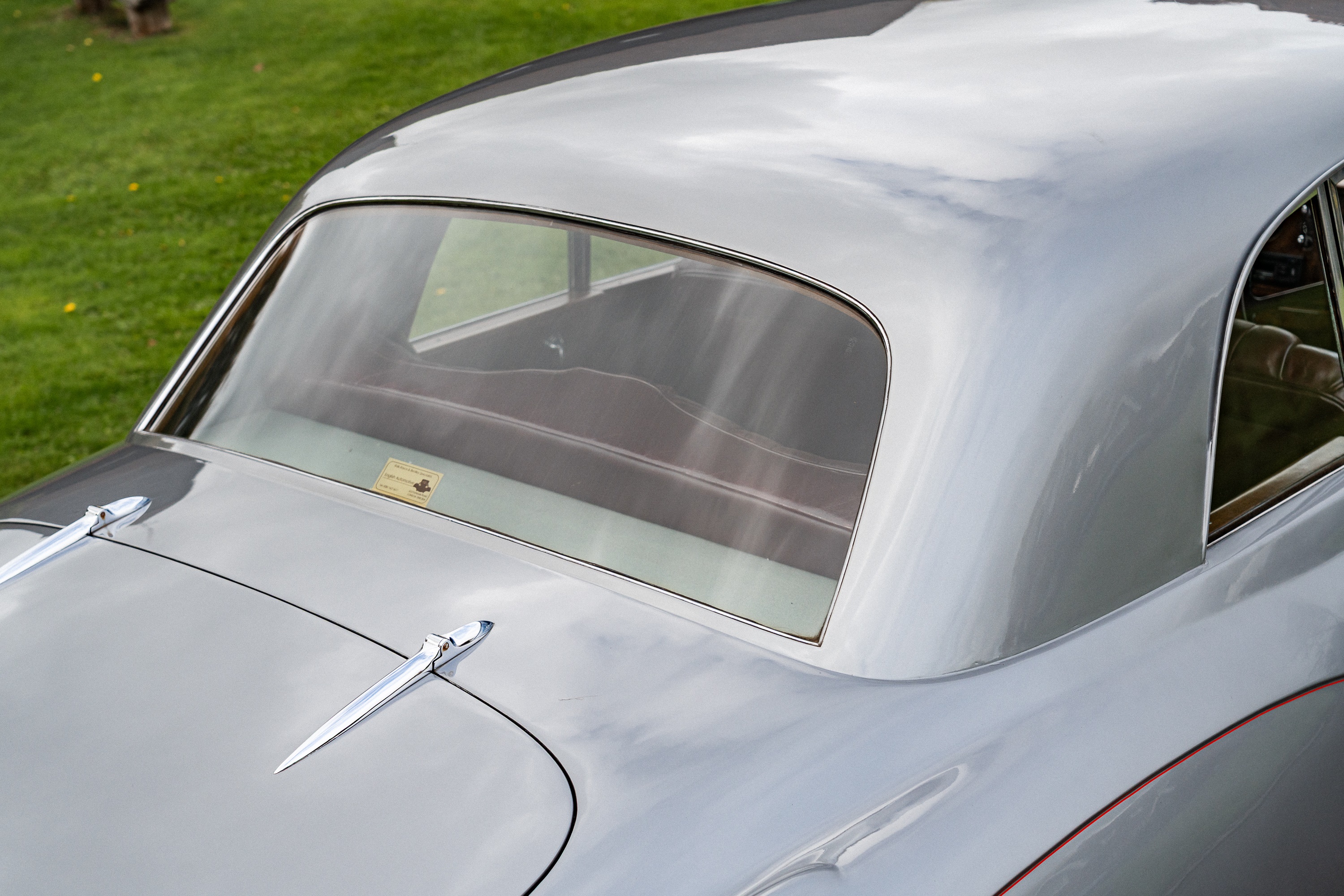
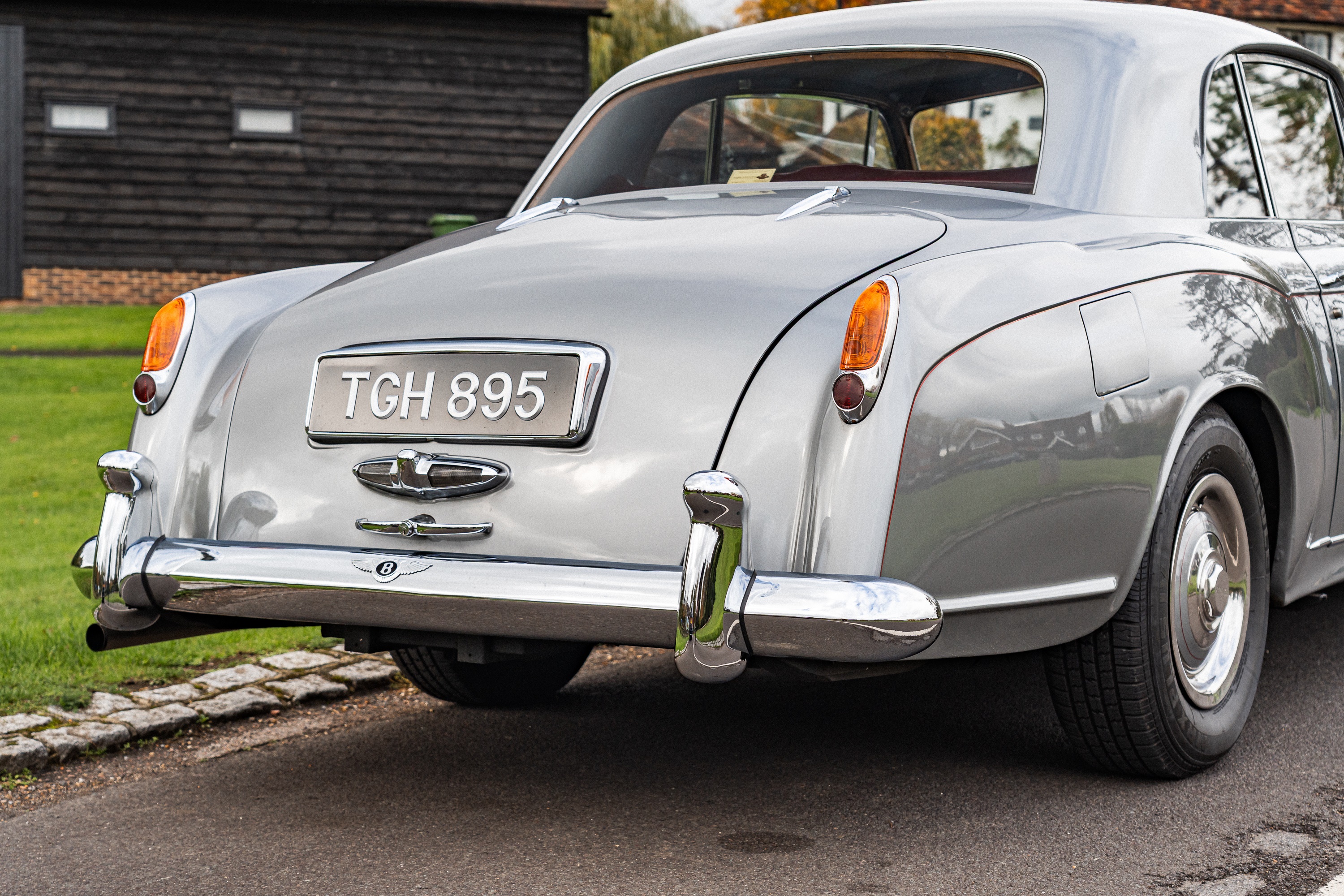
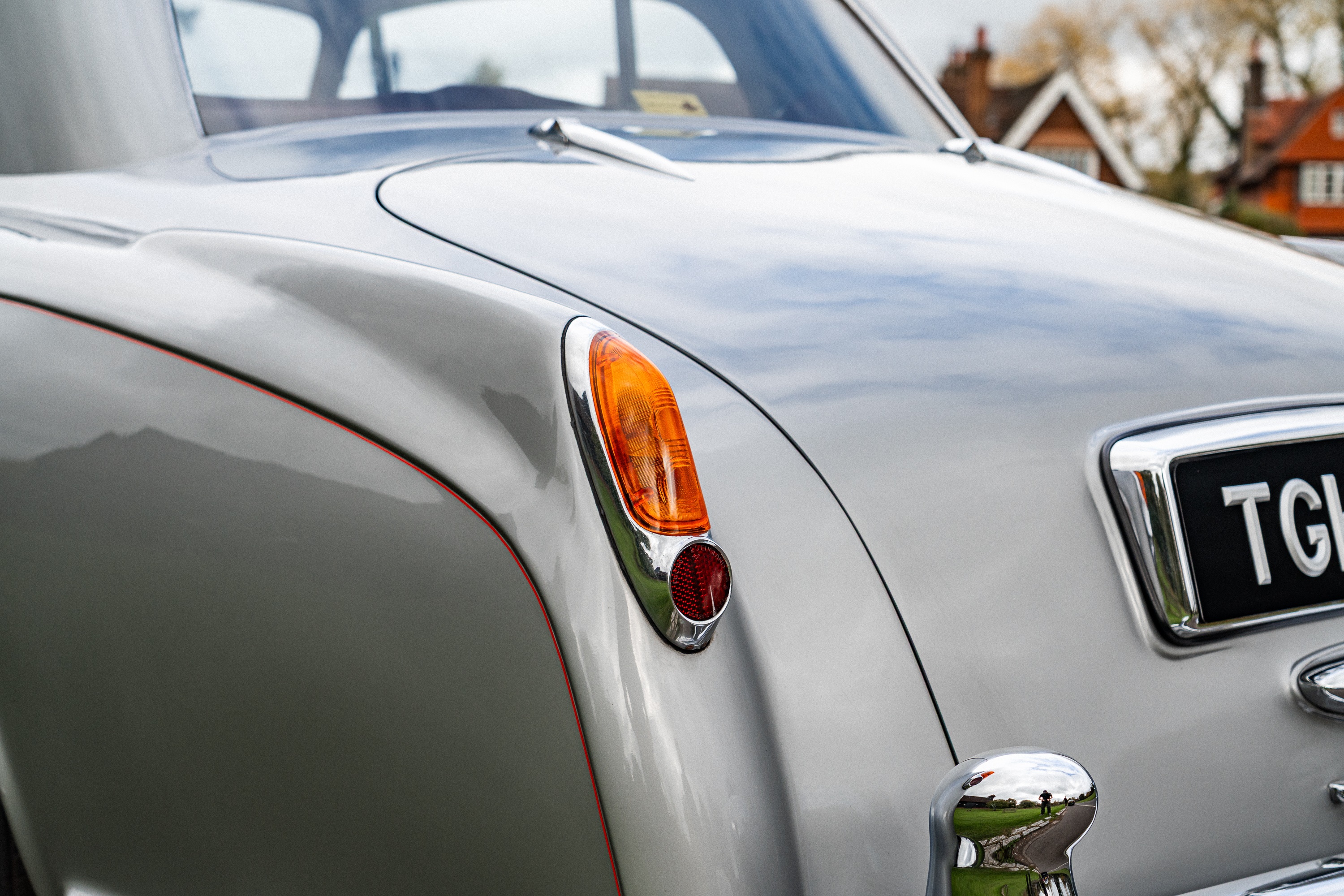
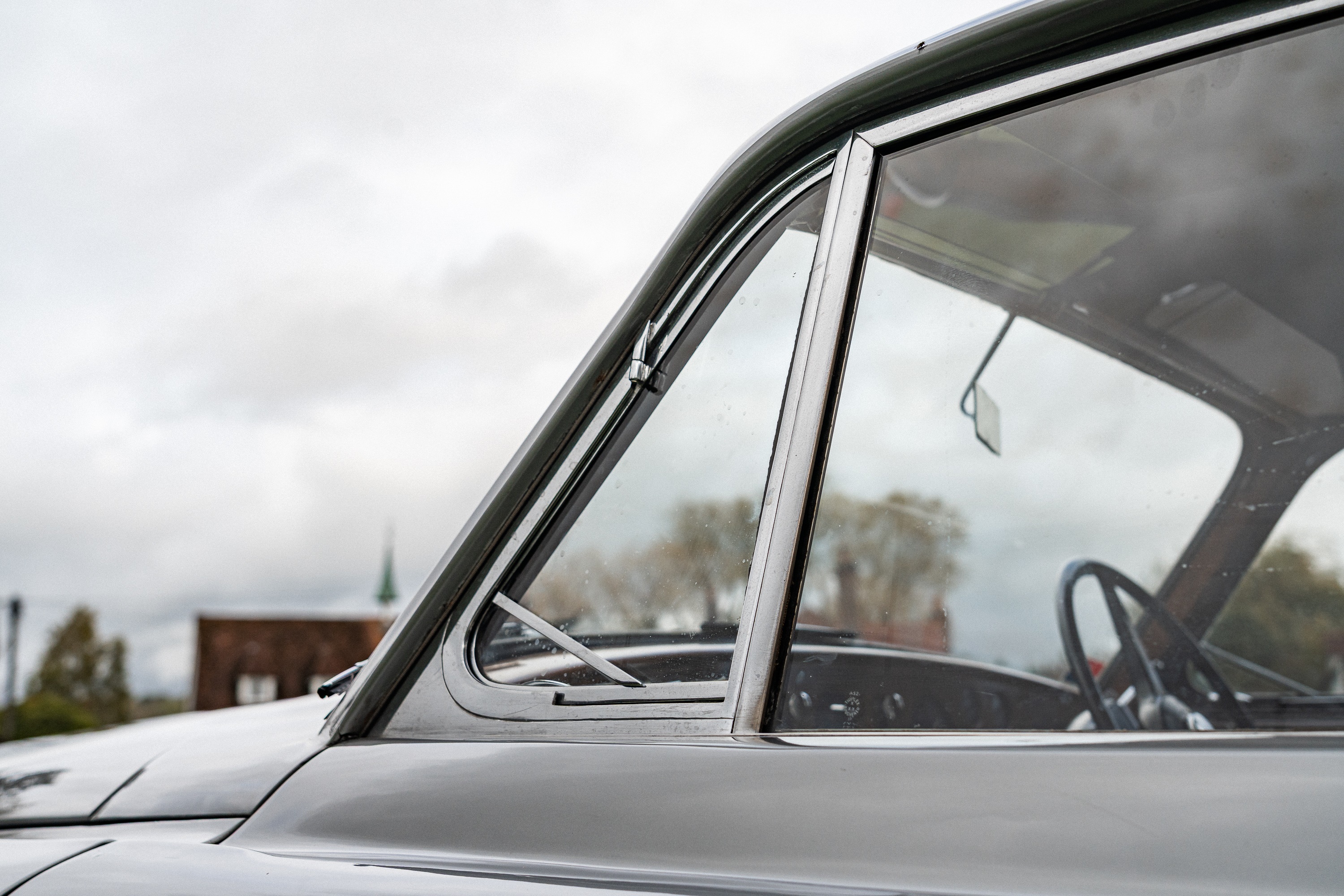
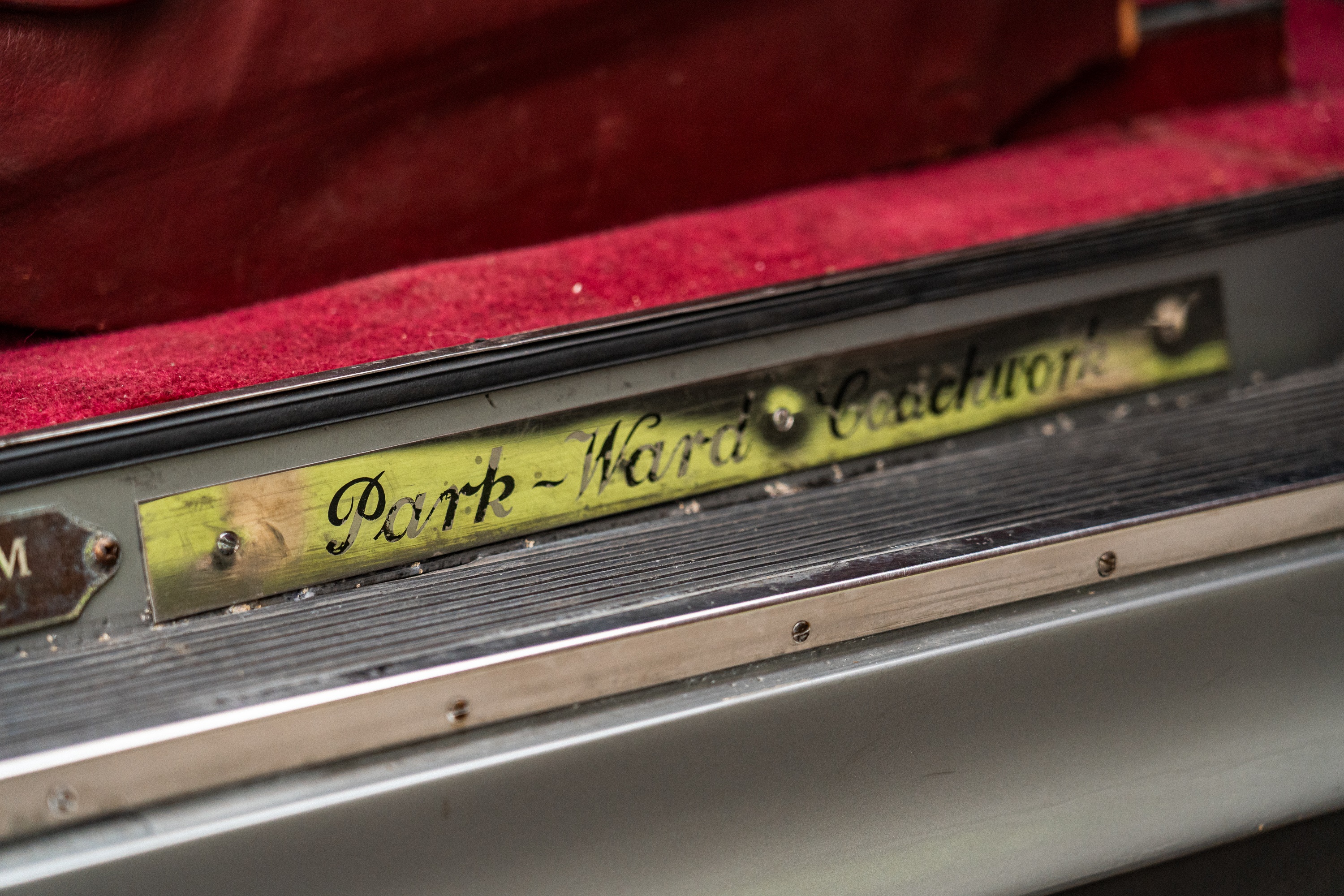
Mentored by A. F. McNeil at J. Gurney Nutting & Co. Ltd. during the mid-1930s and subsequently promoted to Chief Designer there, John Polwhele Blatchley joined Rolls-Royce during the Second World War. A stylistic influence on every generation of Bentley from the Mk. VI through to the T-series, he took control of in-house coachbuilder Park Ward’s designs from 1952 onwards and was later credited with penning the Rolls-Royce Corniche. Decidedly elegant but with various à la mode twists such as its subtly integrated vestigial tail fins, Park Ward’s Design Number 701 for the Bentley S-type Continental chassis was typical of Blatchley’s creative ethos. Evolving through issues one and two, later versions of the sleek, two-door Fixed Head utilised the same taillights as the Standard Steel Saloon, integrating them into the base of the tailfins. Park Ward bodied a total of sixty-nine Bentley S1 Continental chassis to its Design Number 701 (with forty-five to right-hand drive specification).
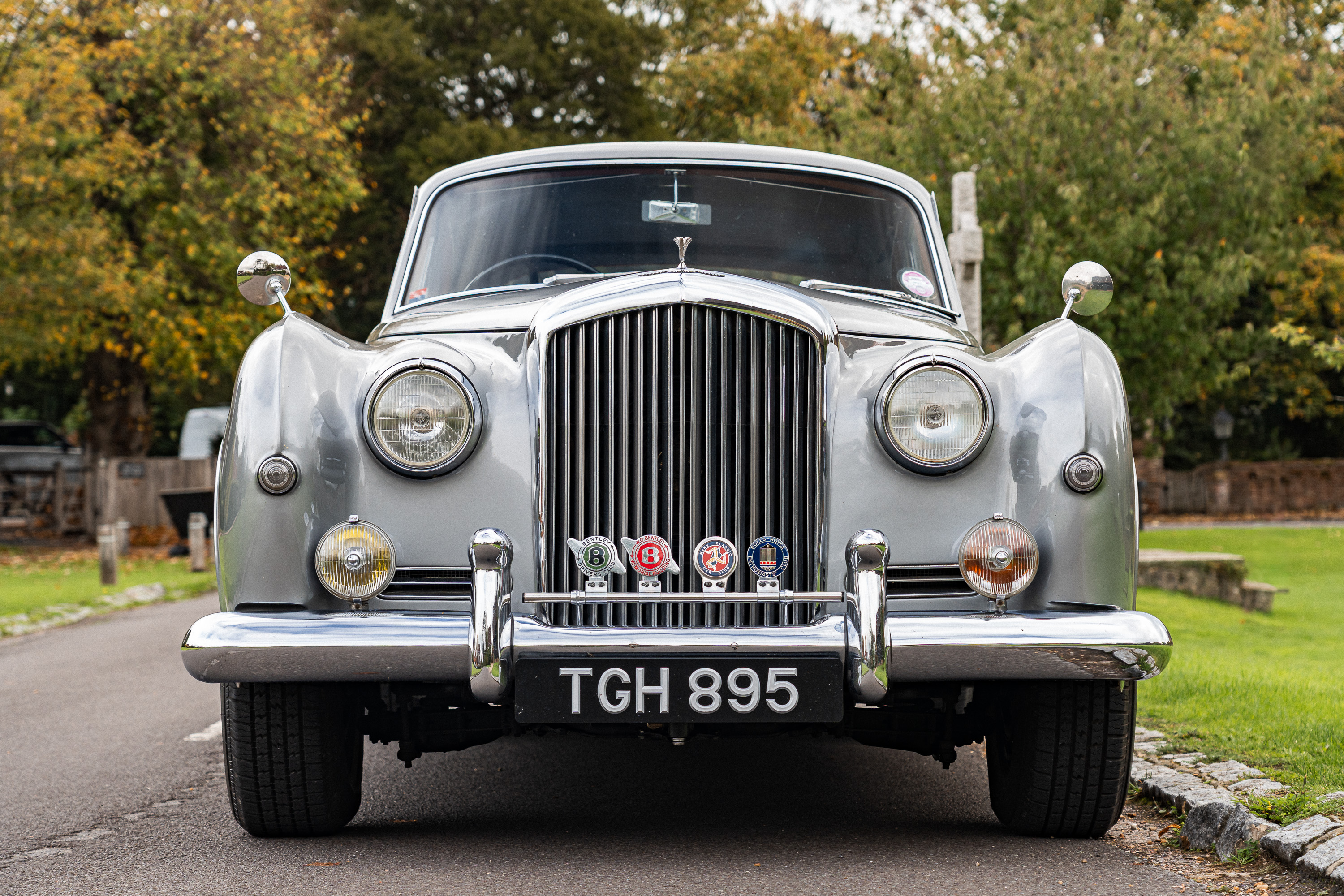
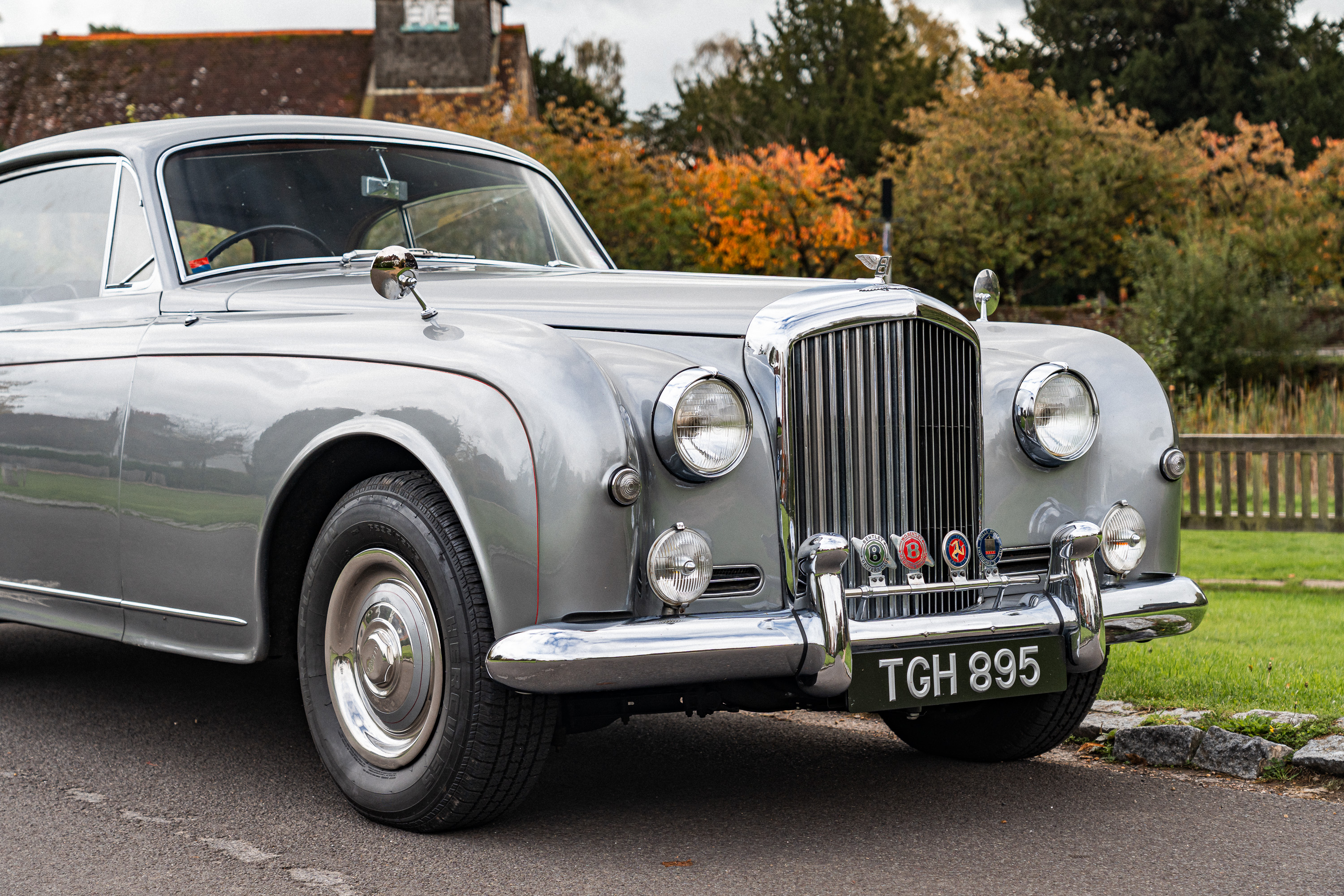
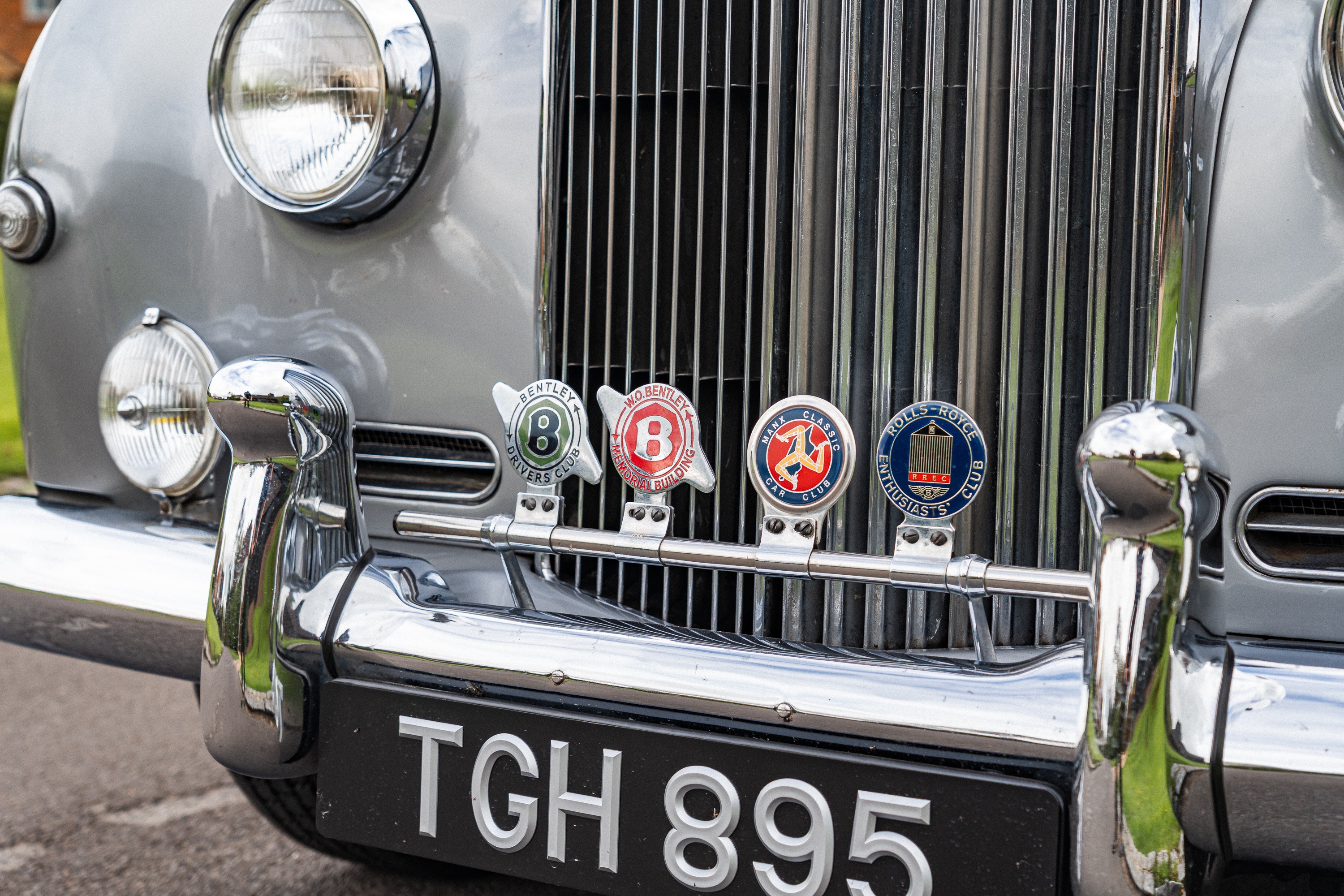
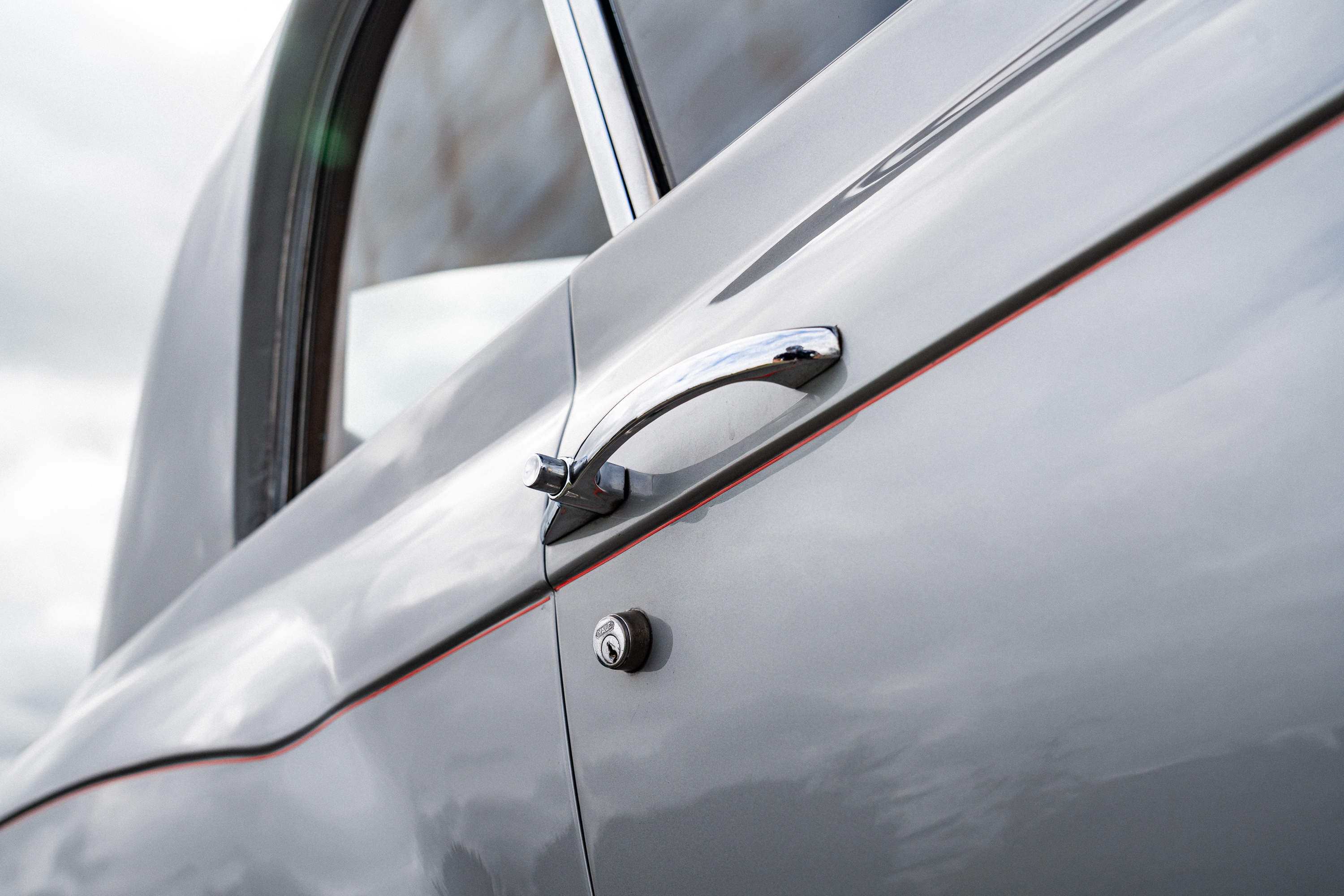
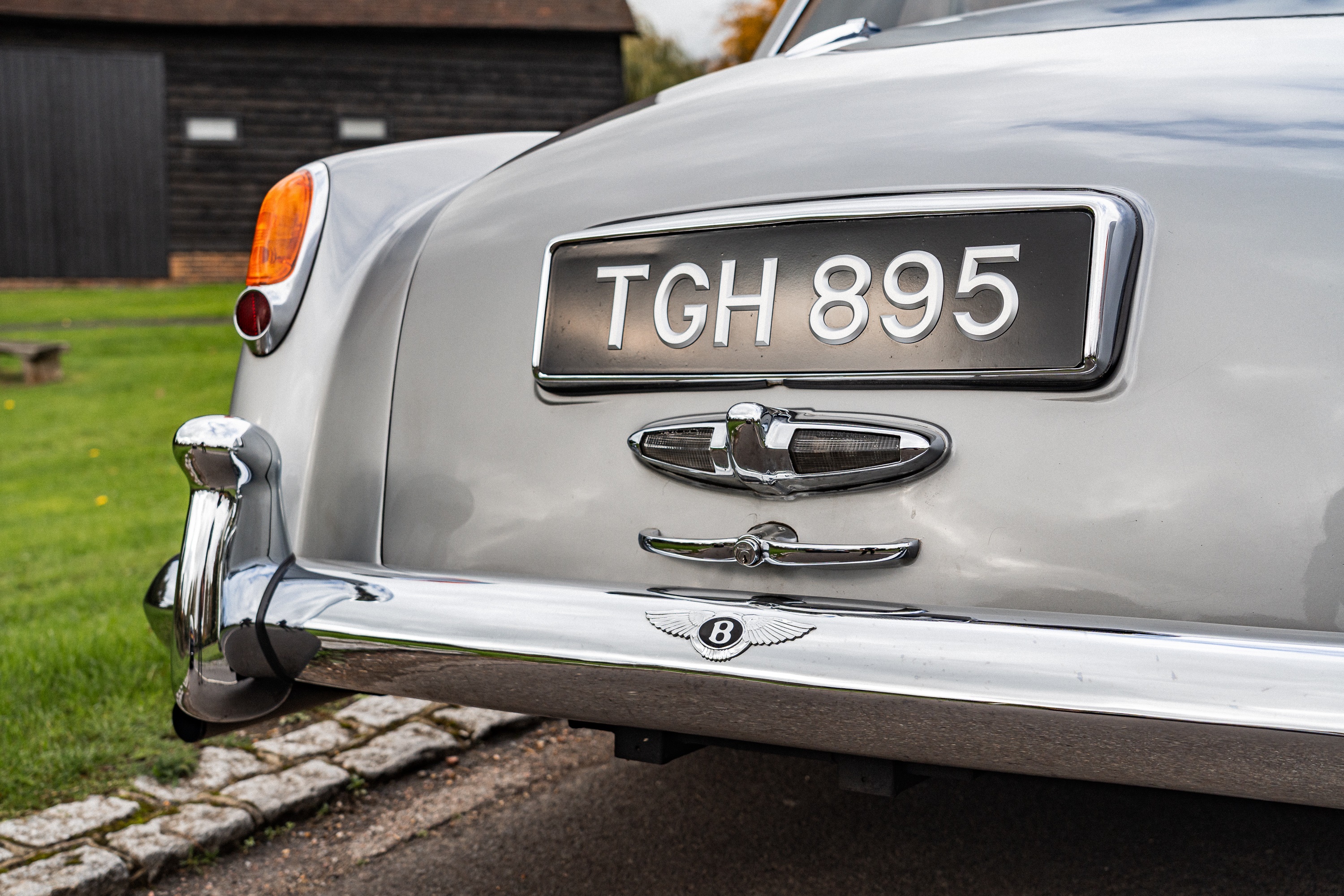
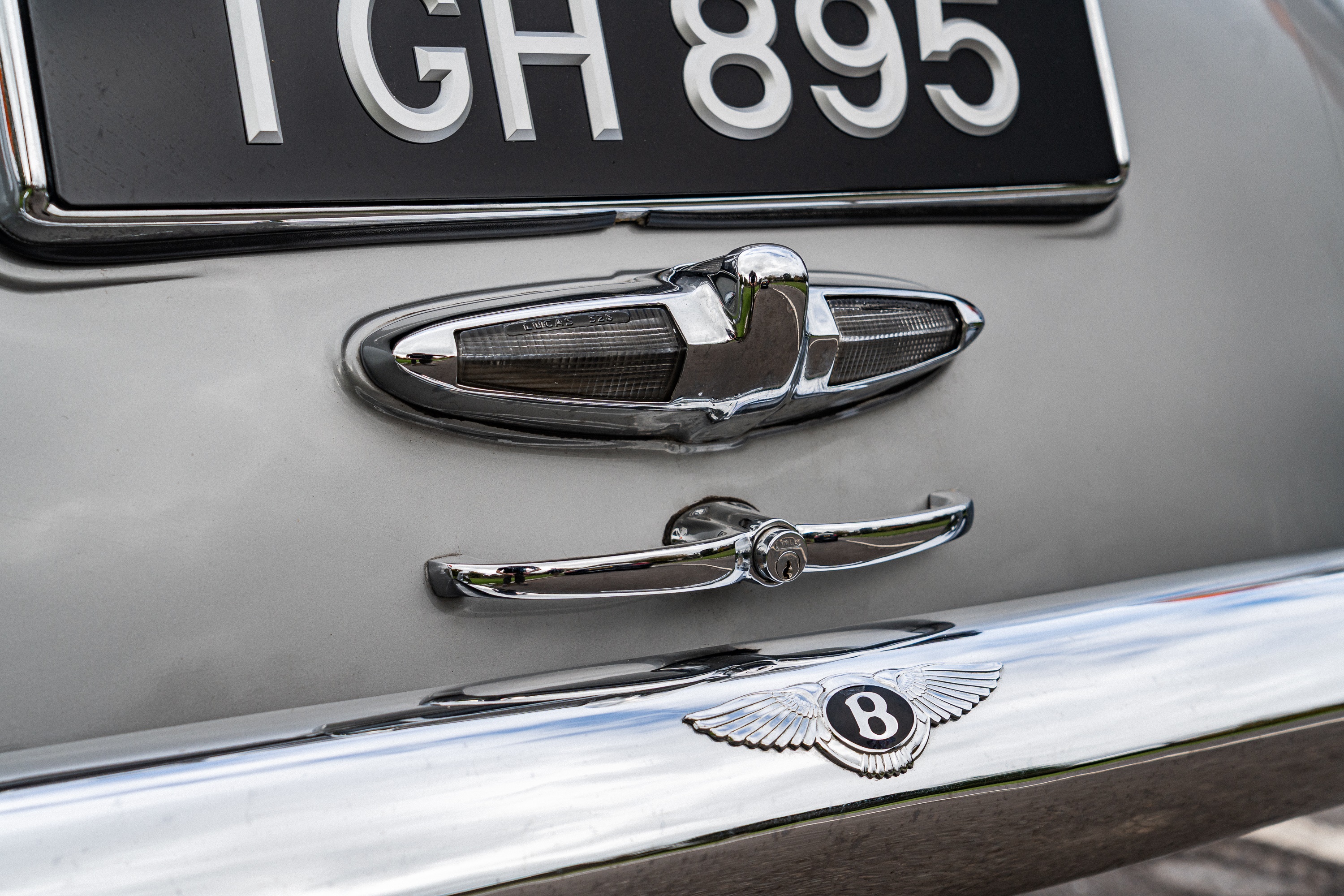
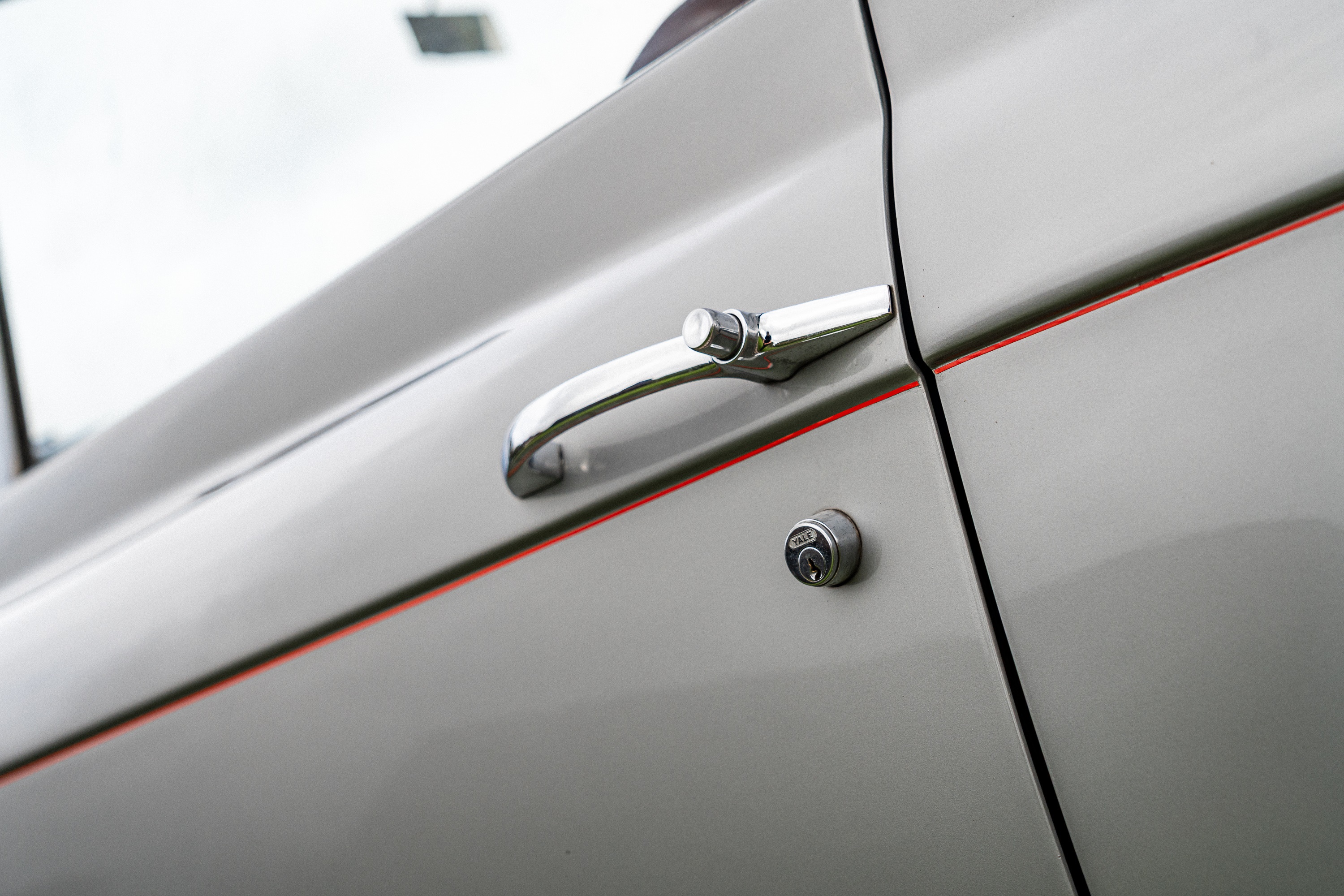
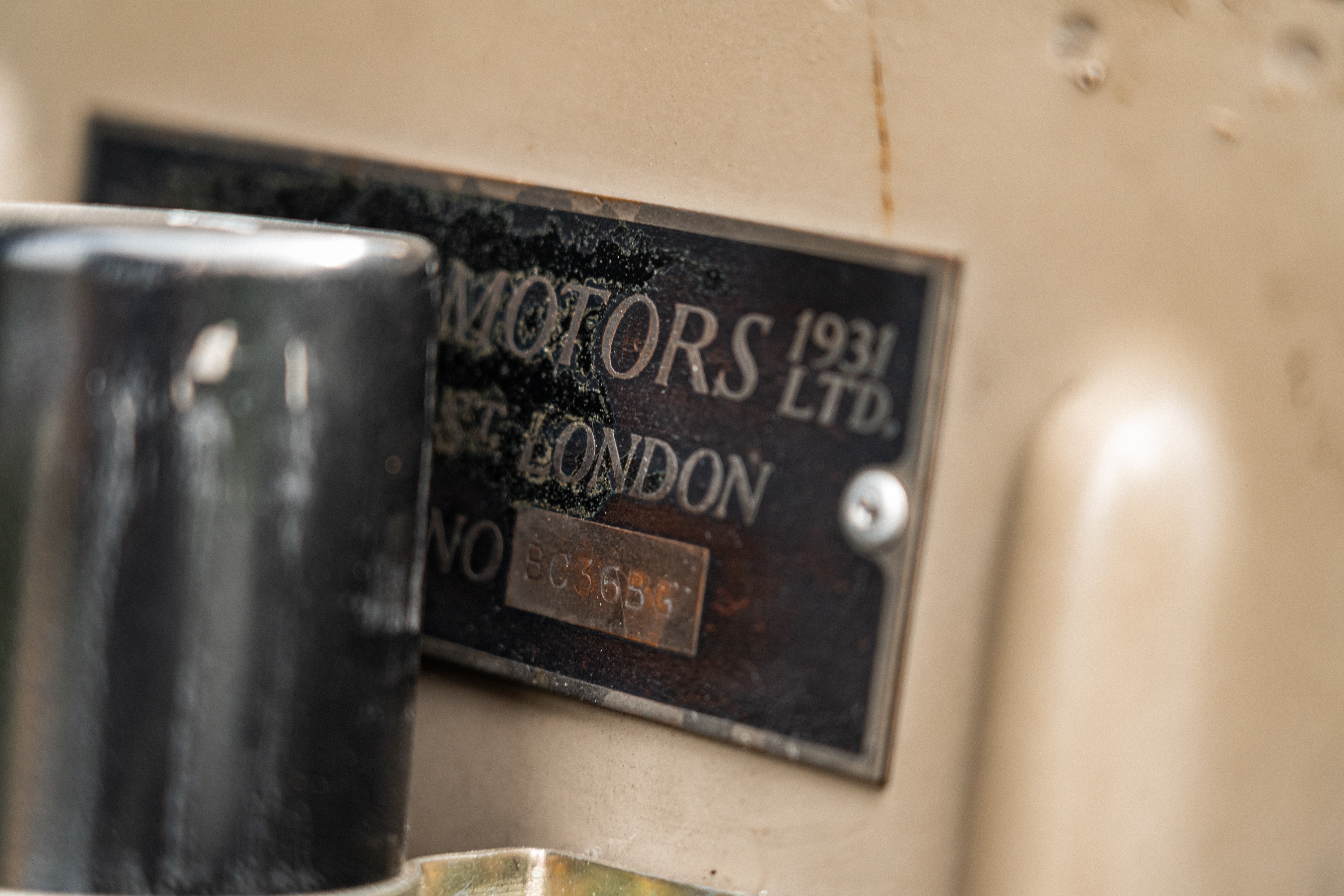
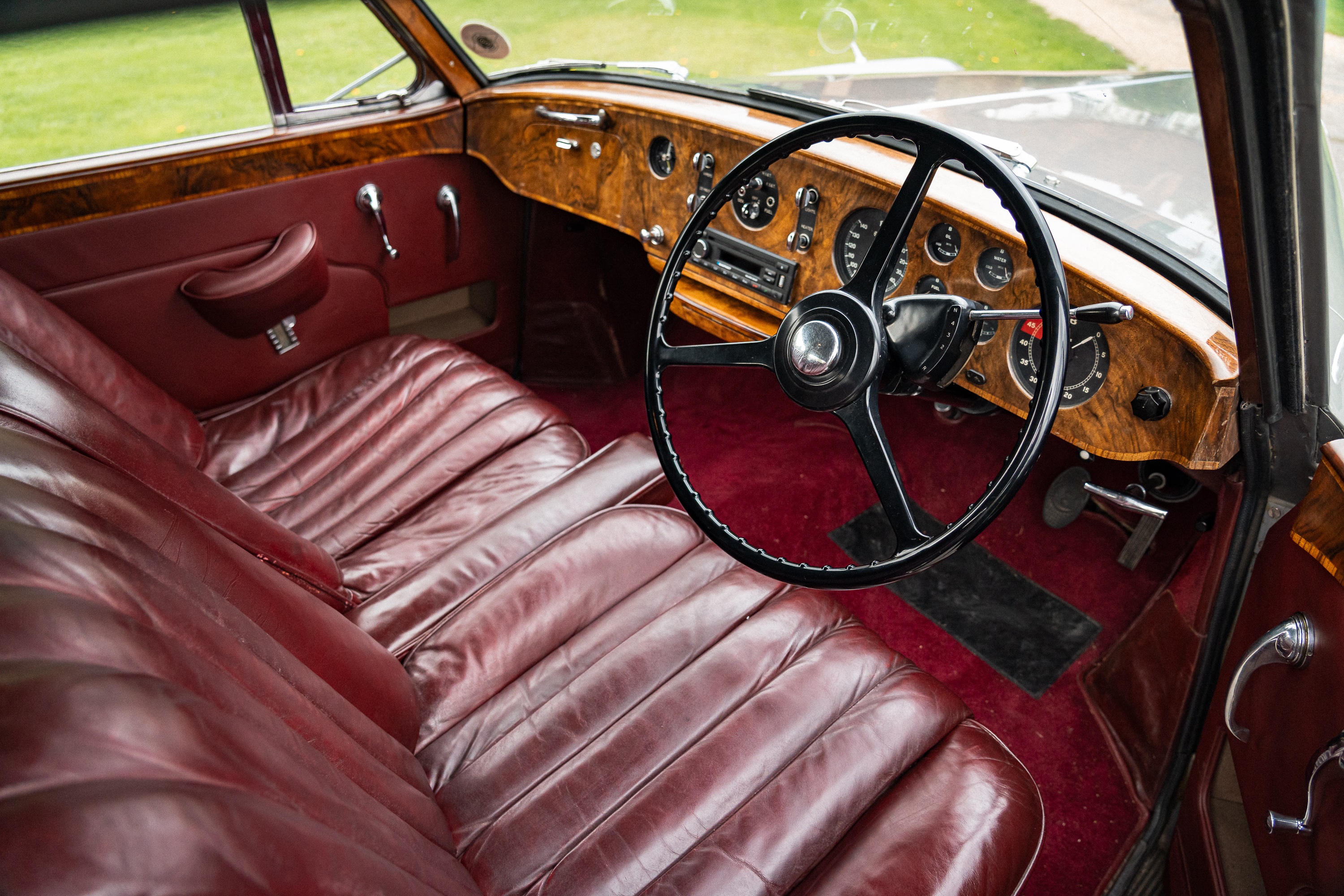
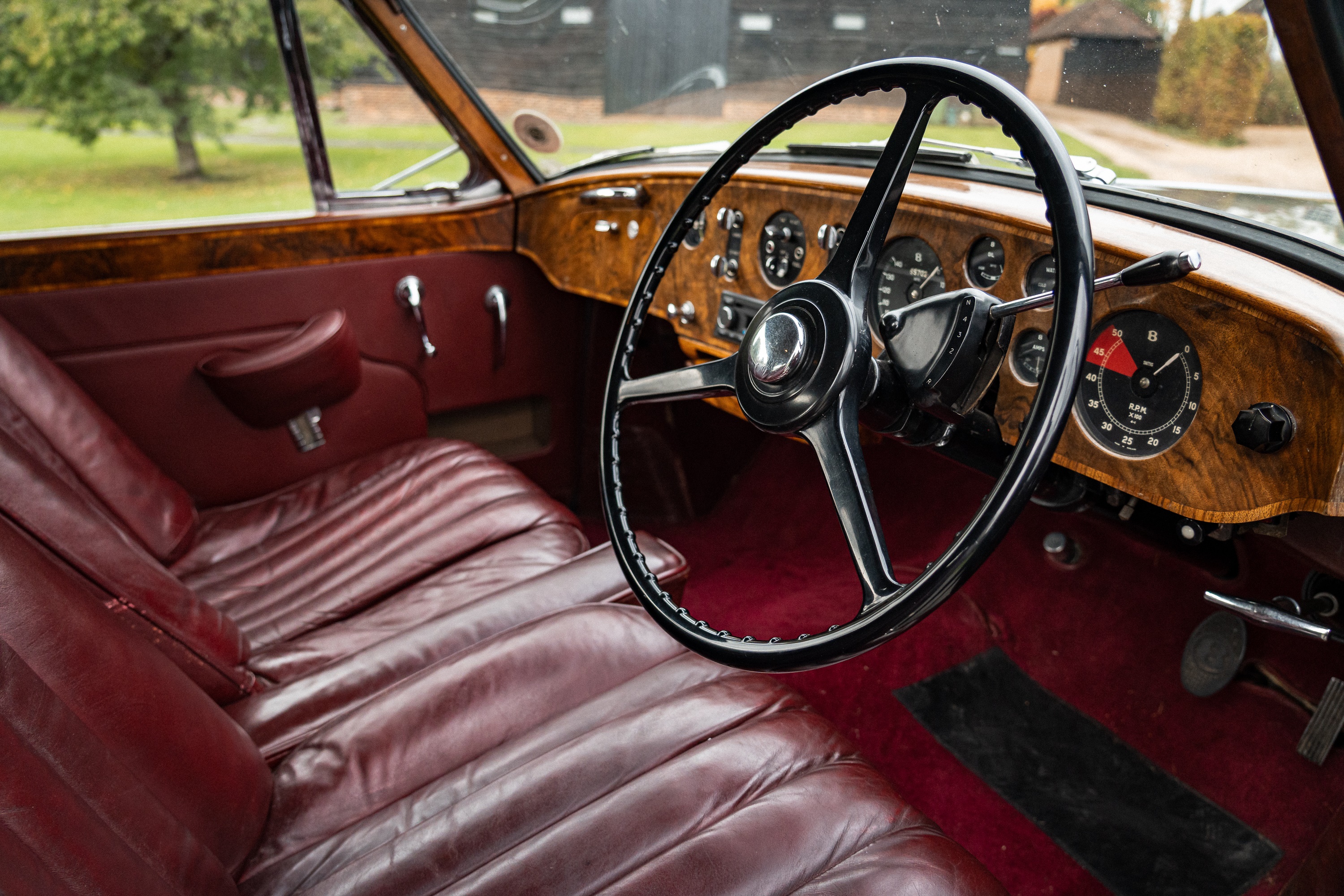
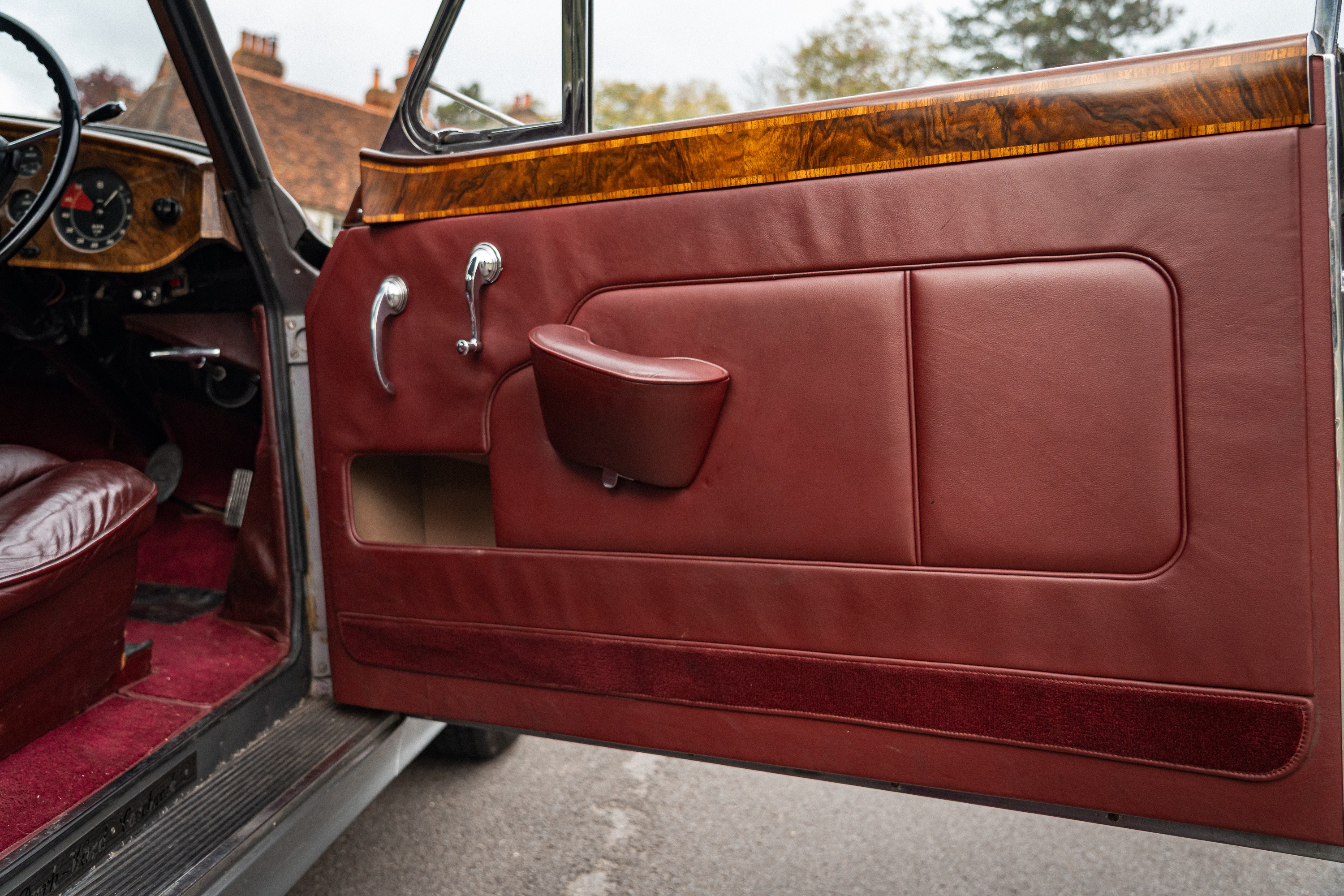
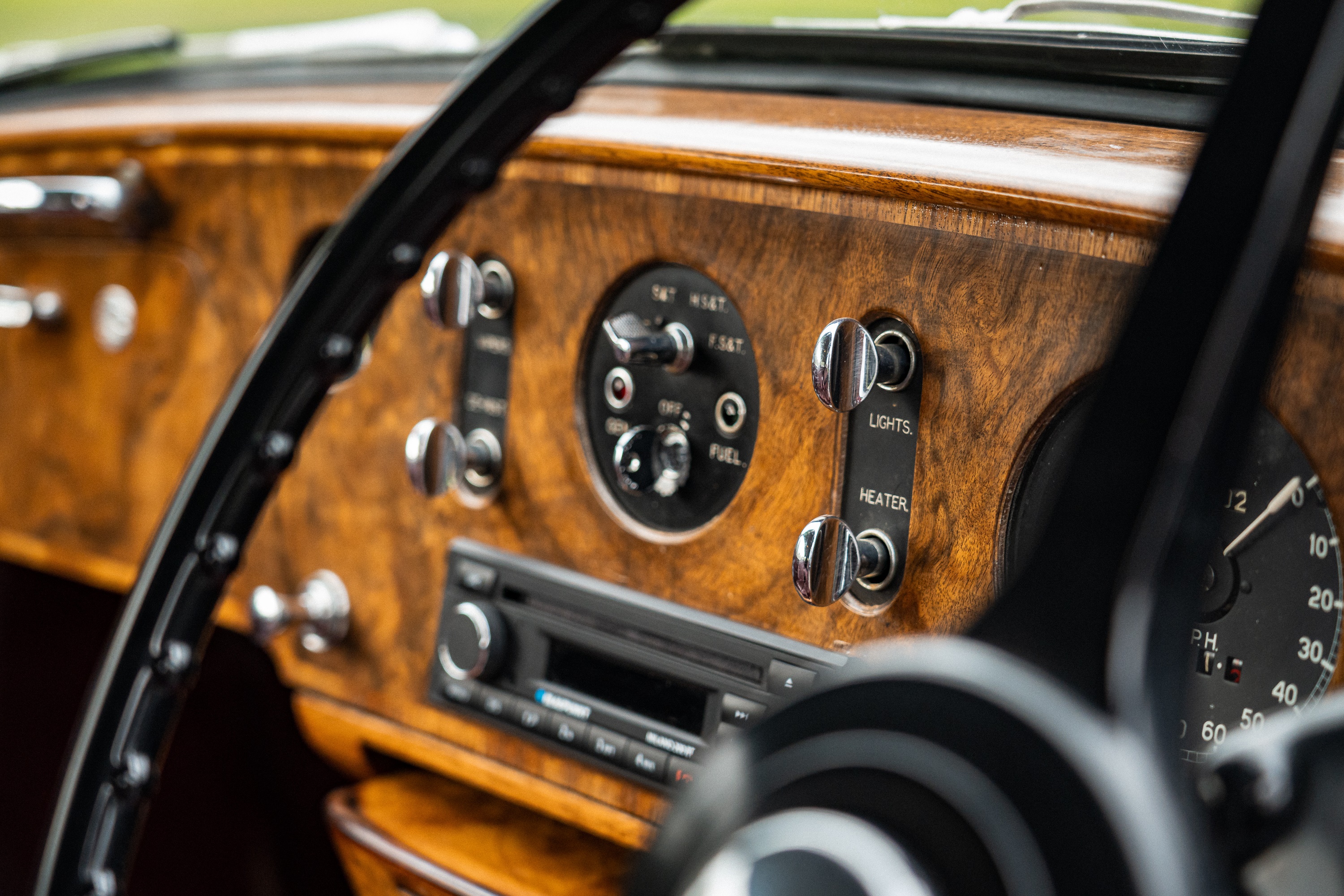
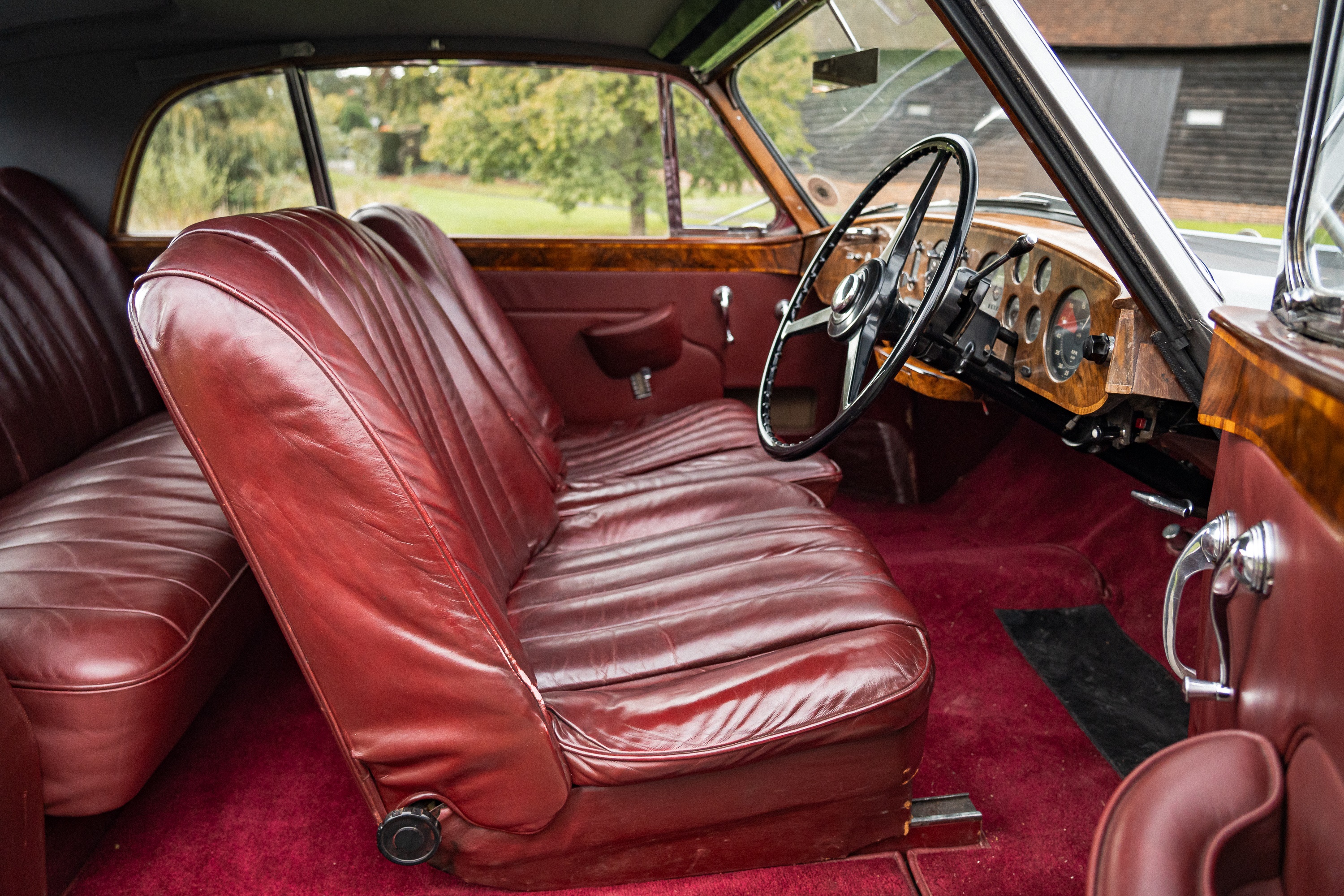
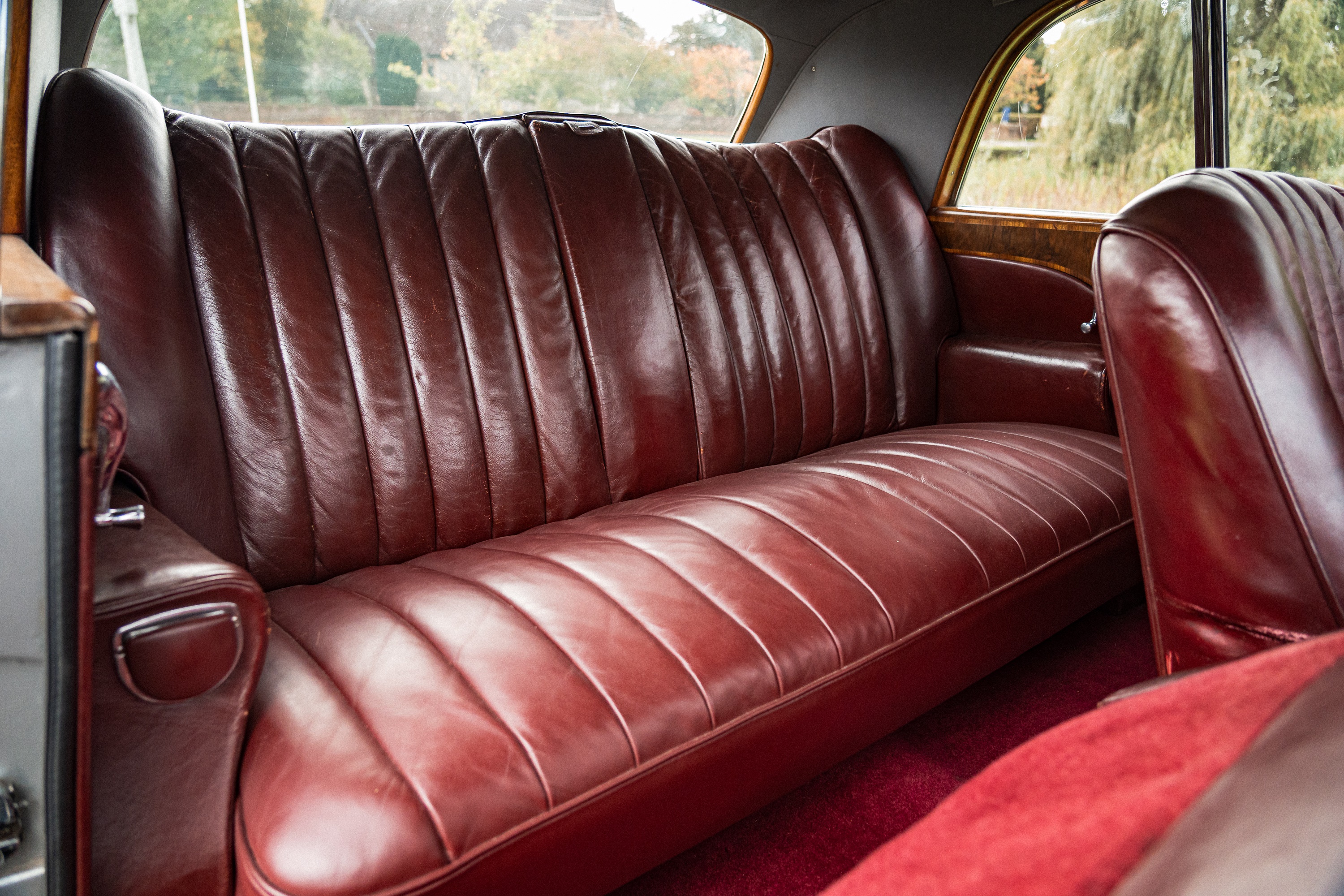
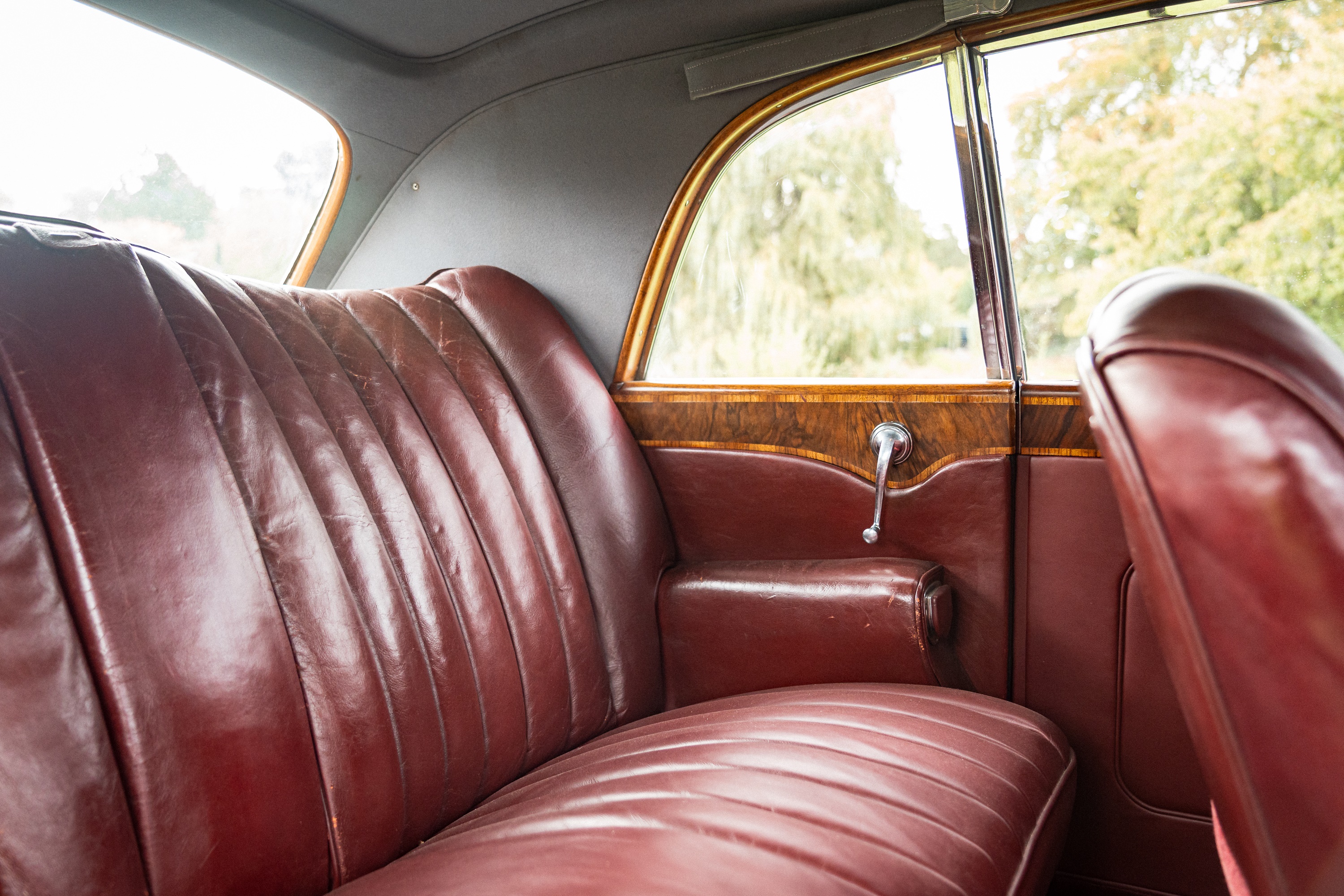
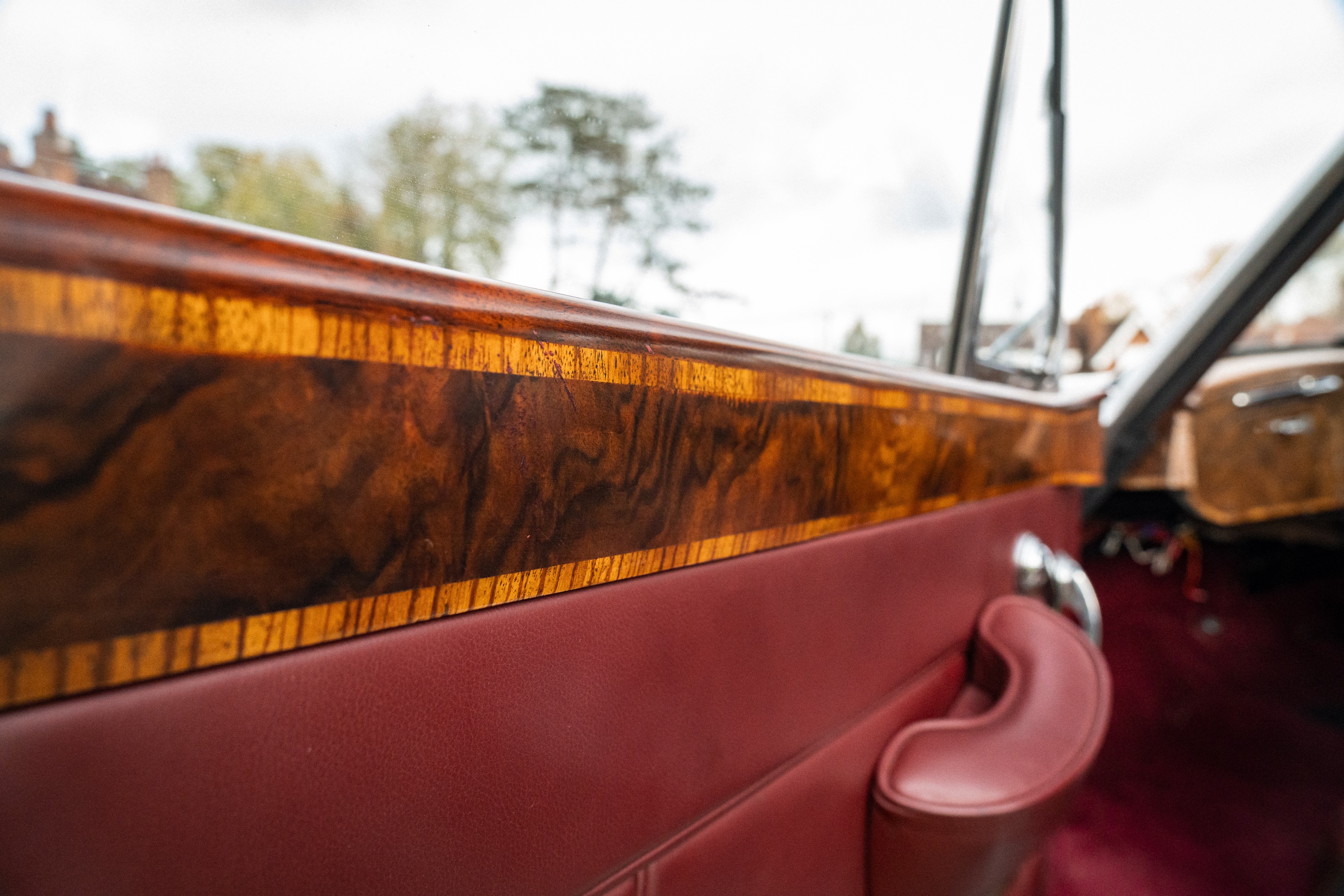
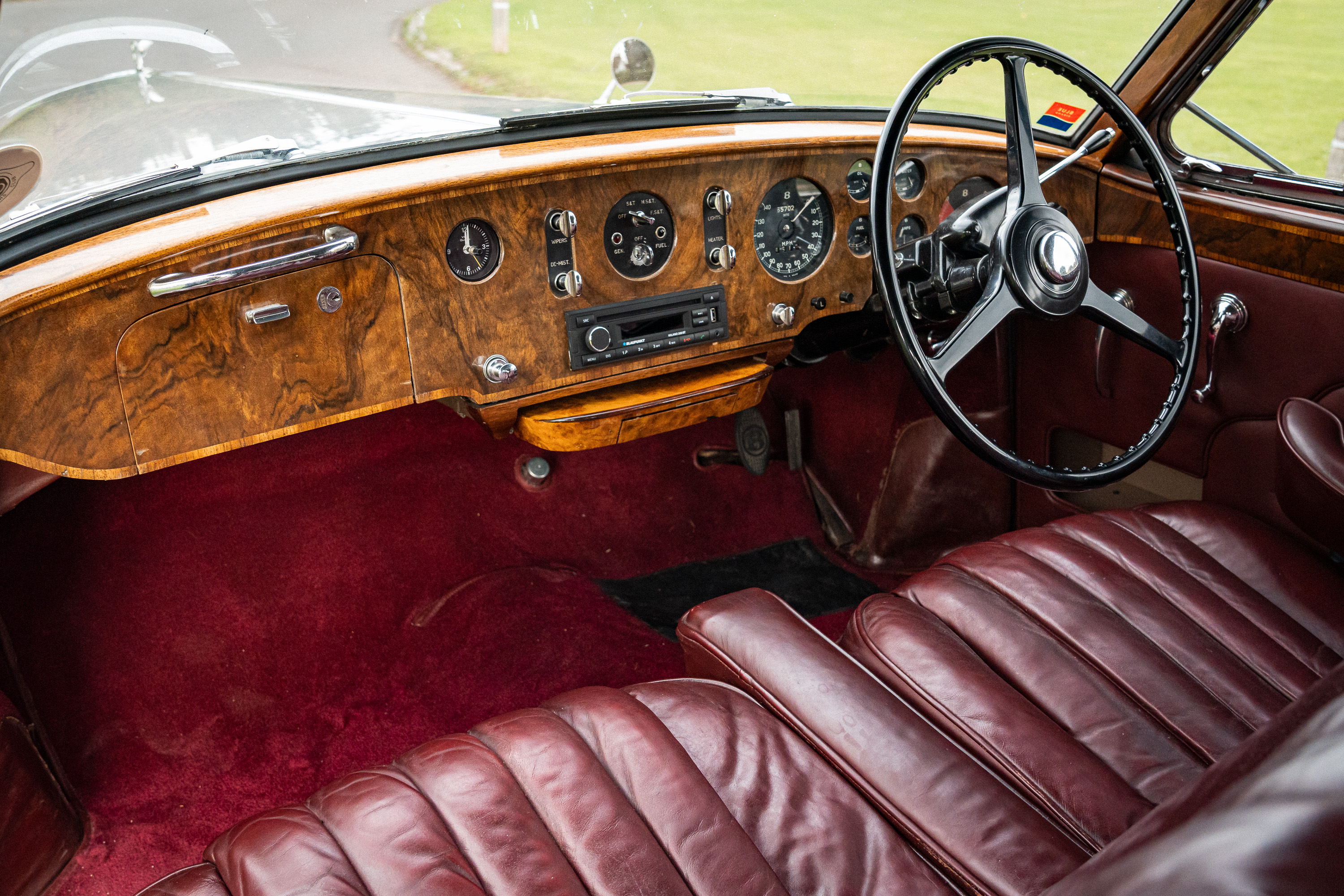
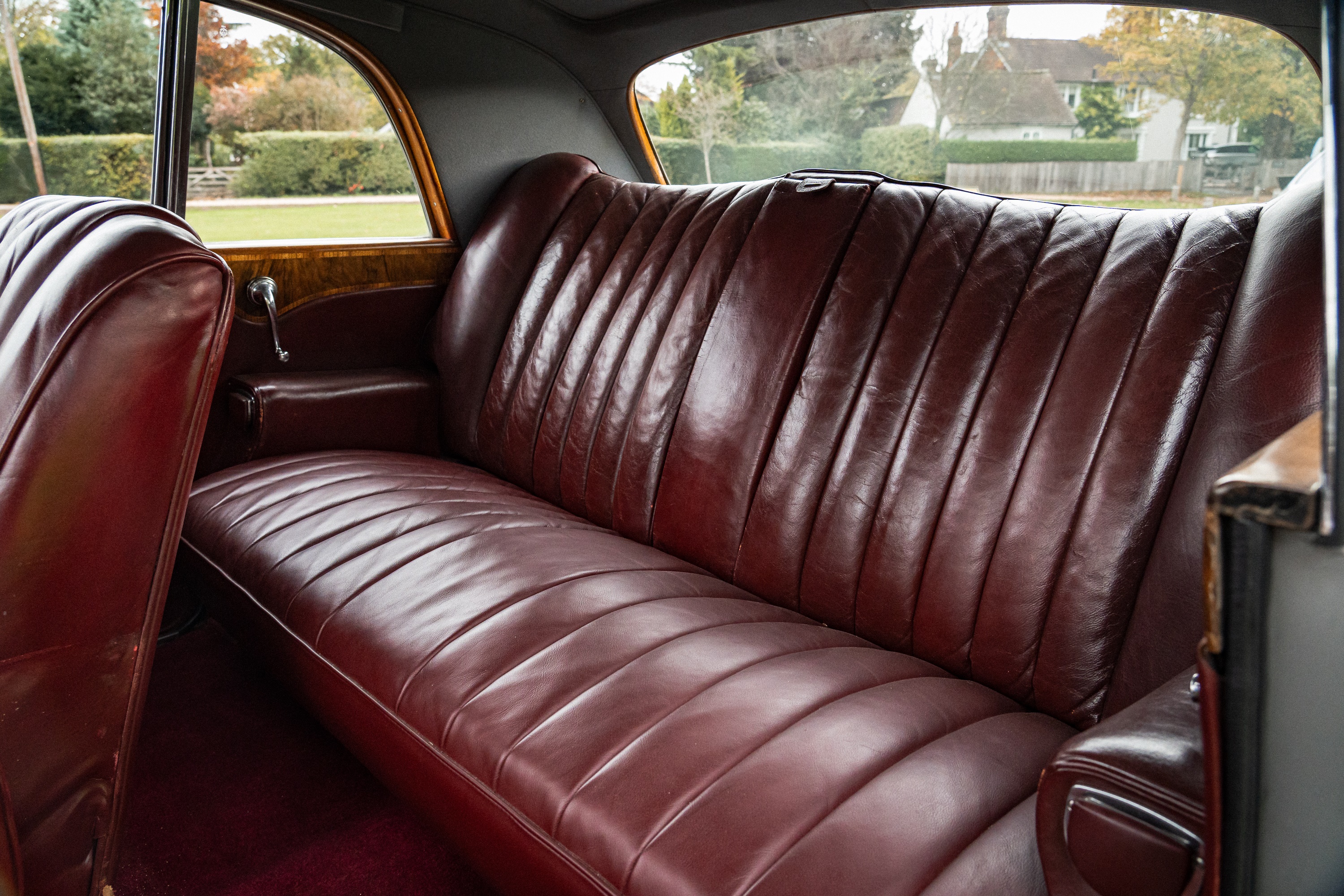
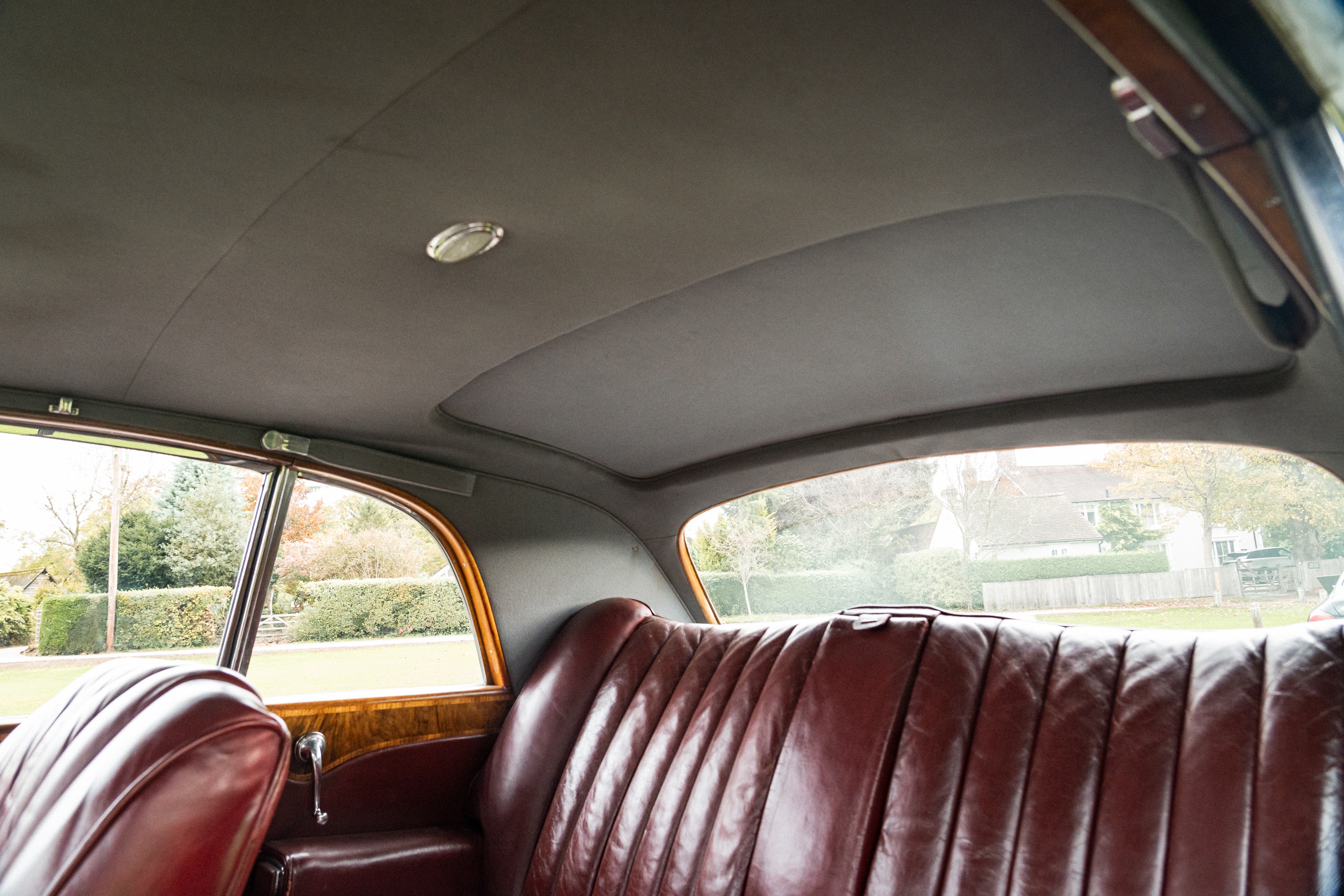
Chassis BC36BG was one of the forty-five Continentals which received Park Ward’s elegant Design Number 701 Coupé coachwork. Originally finished in the beautiful combination of Shell Grey with a Red leather interior – a scheme which, to the best of our knowledge, it has worn all its life – this car left Bentley’s Crewe factory with engine number BC35B, which it likewise retains. Delivered on September 28th, 1956, to K.D.M. & Cherrington Ltd., a multi-marque dealership at 9, Albemarle Street, London W.1, the Bentley was registered ‘TGH 895’ and sold on October 1st to Mrs. Dermot H. Daly of Little Compton Manor, Moreton-in-Marsh, Gloucestershire. The great Jacobean manor house was originally built for William Juxon, Bishop of London from 1633 to 1646 and Archbishop of Canterbury from 1660 to 1663. In the ’20s and ’30s, it was filled with the buzz of high society, hosting guests as diverse as John Betjeman and Edward, Prince of Wales, but in 1948 it became a haven of peace for Mrs. Daly. She had tragically been widowed during the wartime, having then been married to Captain Singer of the famous sewing machine family.
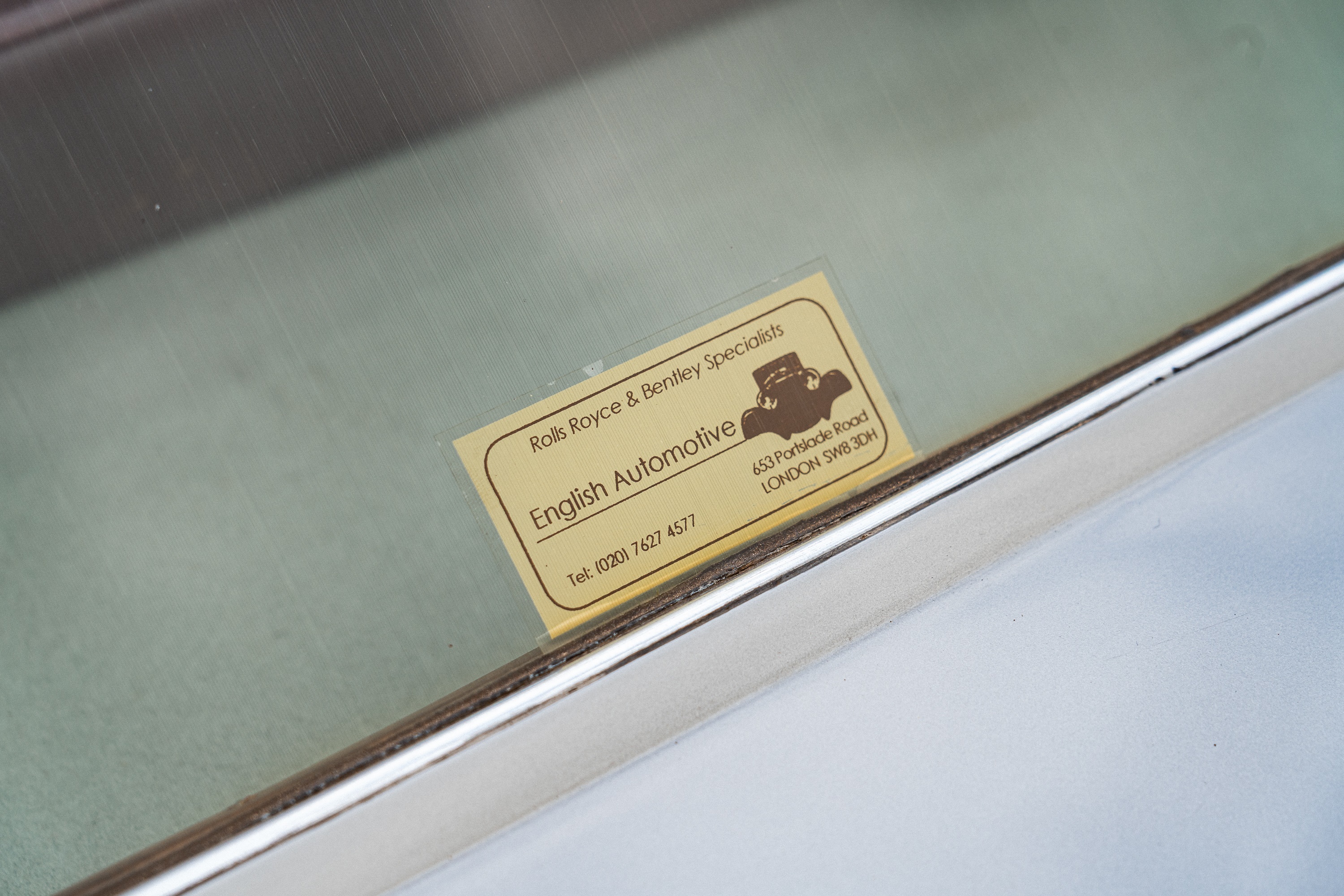
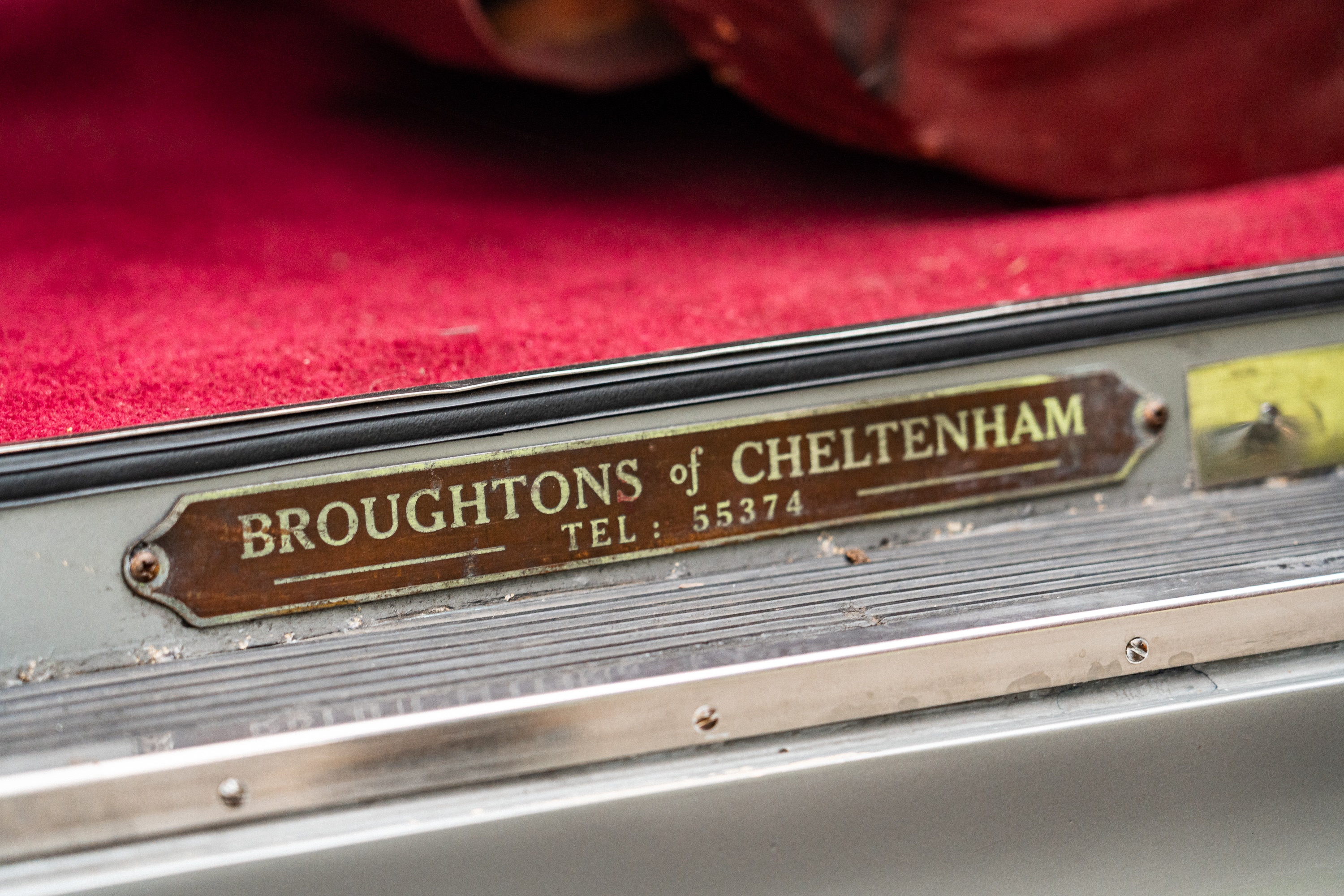
In February, 1967, BC36BG became the property of Mr. A. D. Allen of Waterton House in Ampney Crucis, near Cirencester. Waterton was another of the Cotswolds’ great houses, built for the Cripps family in 1901 but in a similar Jacobethan style. However, later that year, the sale of the Bentley was handled by Broughtons of Cheltenham, whose plaque it still carries. The next we know of the Bentley is that it had crossed the Atlantic to reside in Potomac, Maryland, in the ownership of Mr. Robert B. Meyer. Copies of invoices issued by Euro Motorcars point to very extensive renovations in the late 1980s, which included much mechanical work as well as a bodywork restoration and respray. It was repatriated in 1993 when it was offered for sale through the Atherstone Mews dealership of Porters in Kensington (Gerry Porter Ltd.). It was quickly snapped up by a young army captain who, maintaining tradition, also inhabited a grand country estate, this time in Norfolk. Having disappeared from the D.V.L.A.’s records, the age-related registration ‘XYJ 405’ was issued, and the new owner presented the Bentley to P. J. Fischer Classic Automobiles for some light mechanical and cosmetic refurbishment in 1994, which included fitting new floor carpets and repairing the rear seat where some leather had torn. BC36BG had its greatest adventure in 1998, when it participated in the Louis Vuitton Classic China Run, an eight-hundred-mile epic drive from Dalian to Peking. One of fifty participating cars spanning the period 1903 to 1960, it was placed second in the Touring Cars 1945 to 1960 class.
Though he fell entirely for the Bentley’s charms, the captain decided to part with it in 2001 and placed it into the Christie’s March sale at the Jack Barclay showroom, where it was bought by a noted collector, the late Mr. Robert Riding. A City banker for most of his professional life, Mr. Riding took early retirement and moved to the Isle of Man in 1990, where he enjoyed sailing and also started collecting automobiles. At the time of his death in 2022, he had amassed some 15 historic motor cars, with a strong preference for Rolls-Royce and Bentley. BC36BG was registered in the Isle of Man in 2002 and thereafter kept in near-continuous use.
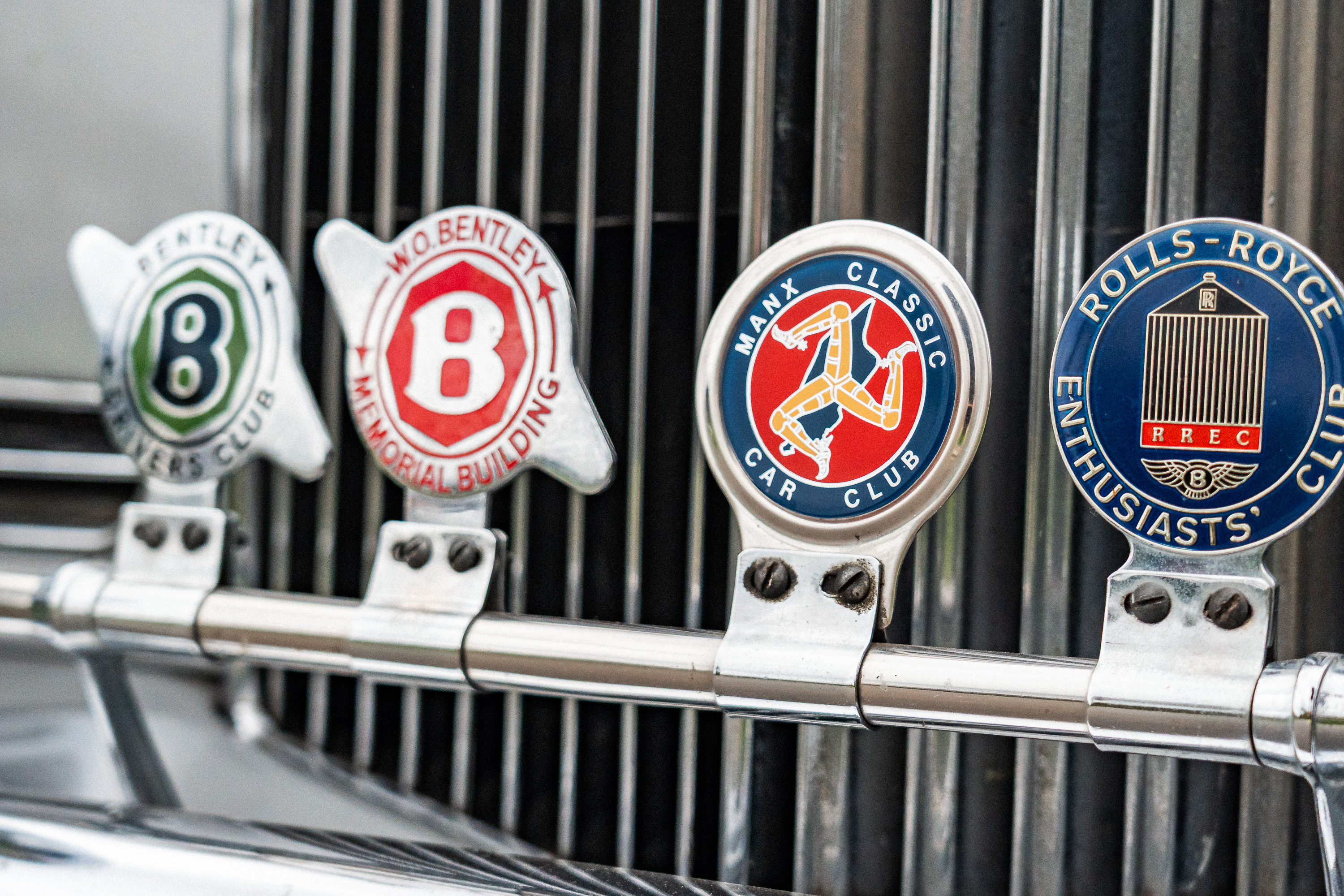
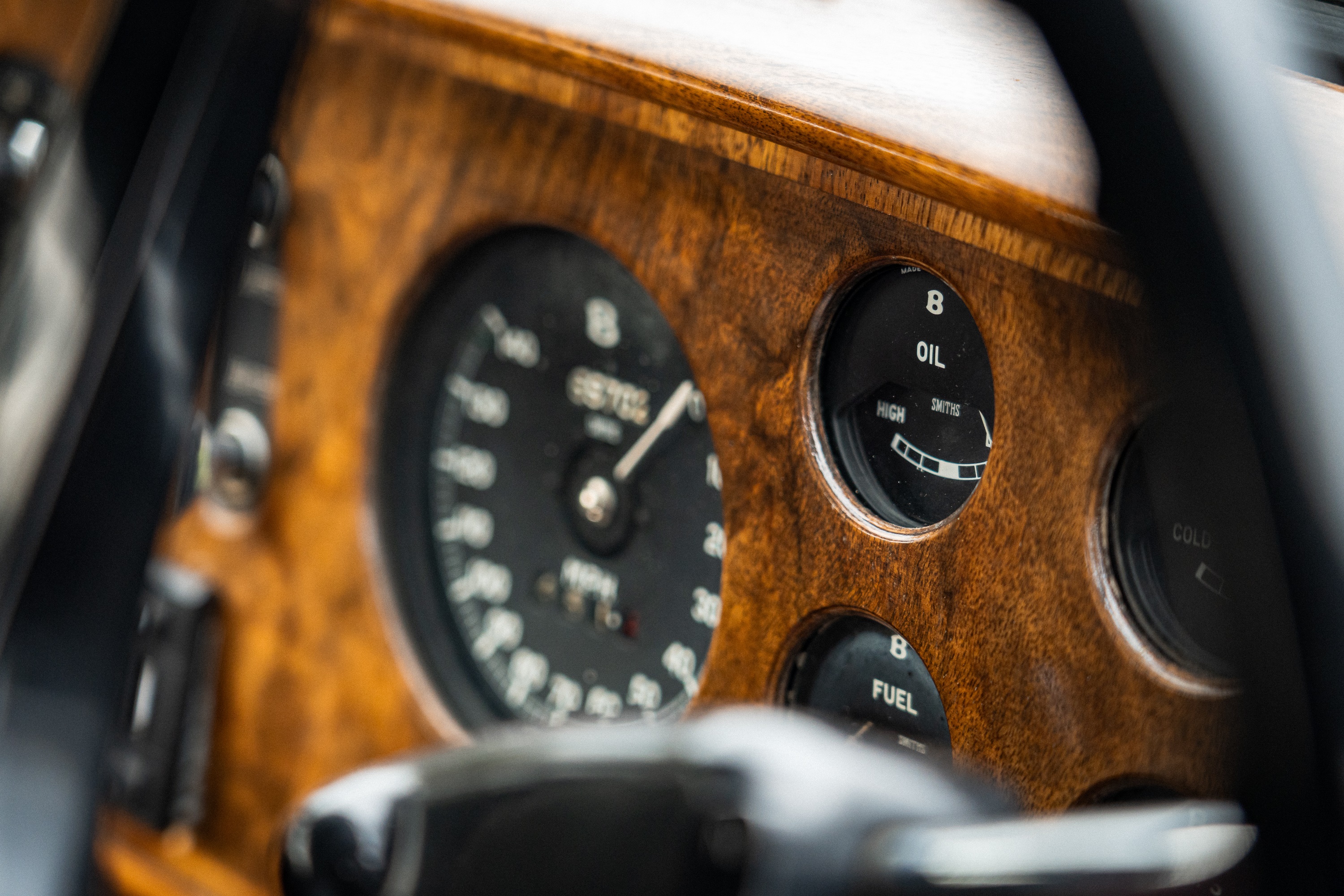
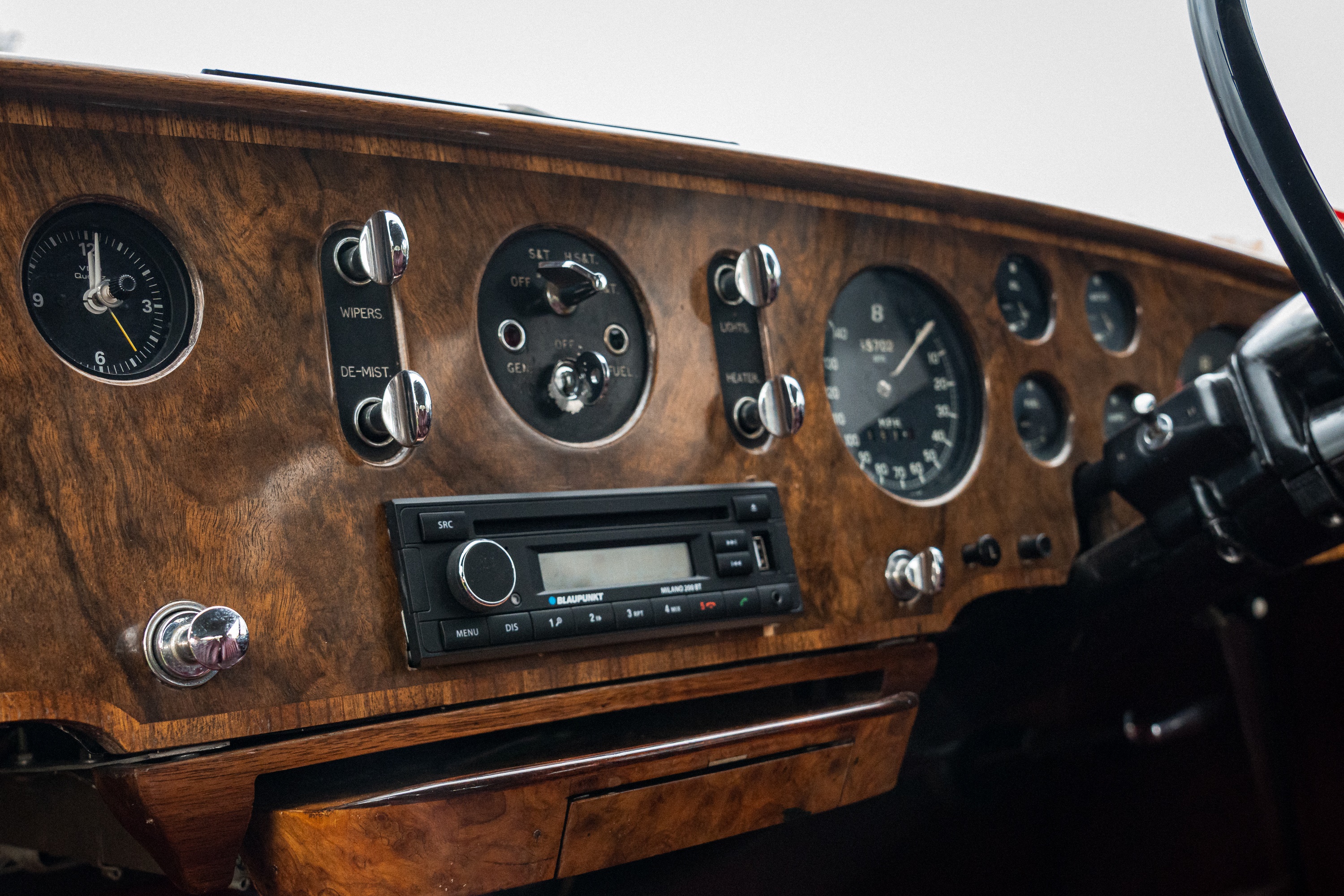
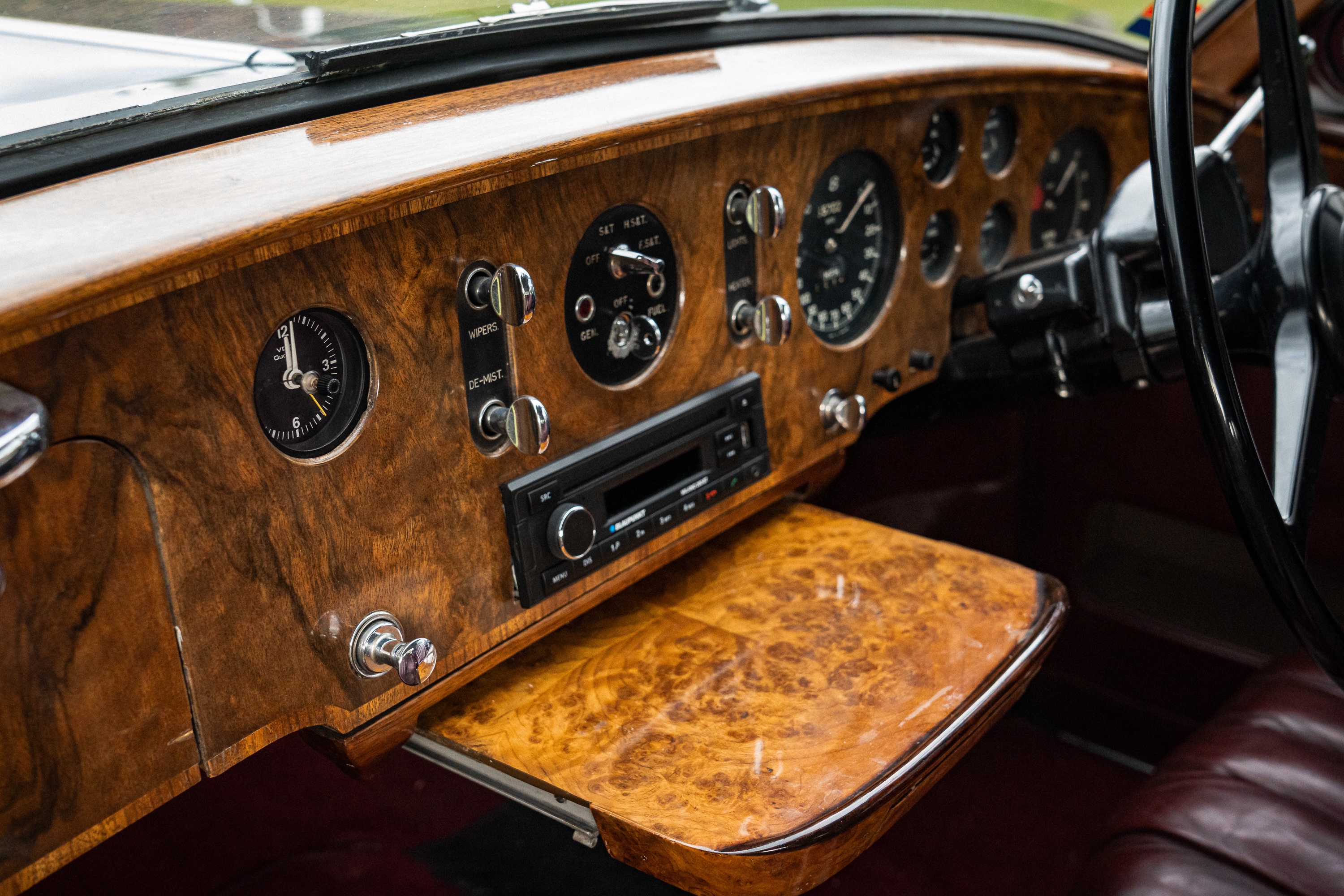
It was enjoyed both with the Manx Classic Car Club and the Rolls-Royce Enthusiasts’ Club, and in 2019 it was presented to Frank Dale & Stepsons for a substantial programme of works totalling £34,000. Work carried out included the installation of power steering using factory parts, the overhaul of the differential with new bearings and a new crown-wheel and pinion, the renewal of both rear wheel bearings and the propshaft bearing, the renewal of the fuel pumps, the installation of electronic ignition and an electric fan, and the specialist repair of the oil gauge. It is worth repeating an excerpt from correspondence written by a very satisfied Mr. Riding following the work: “I asked you to make it not a concours queen but to drive as a Continental of the period should, and that it now does. Ironically, whilst travelling north with it and staying with friends near Oswestry, I found I was near to where the B.D.C. N.W. Region were holding a one-day 100th-anniversary rally and I was delighted to be awarded the concours prize.”
It was our privilege to handle the sale of Mr. Riding’s collection in 2023, and it was from there that the Bentley was purchased by the present owner. Upon its return to the British mainland, the owner immediately and successfully applied for it to have its original registration number reinstated. He proceeded to spend over £15,000 with Ranmore Service & Engineering, which performed work including the replacement of both master cylinders, the overhaul of the brakes with new wheel cylinder seals and new rear brake shoes, and the overhaul of the servo unit. Both front suspension dampers were replaced with service exchange units. Subsequently, in 2024, the dynamo was overhauled by J. Morgan & Son for £490.
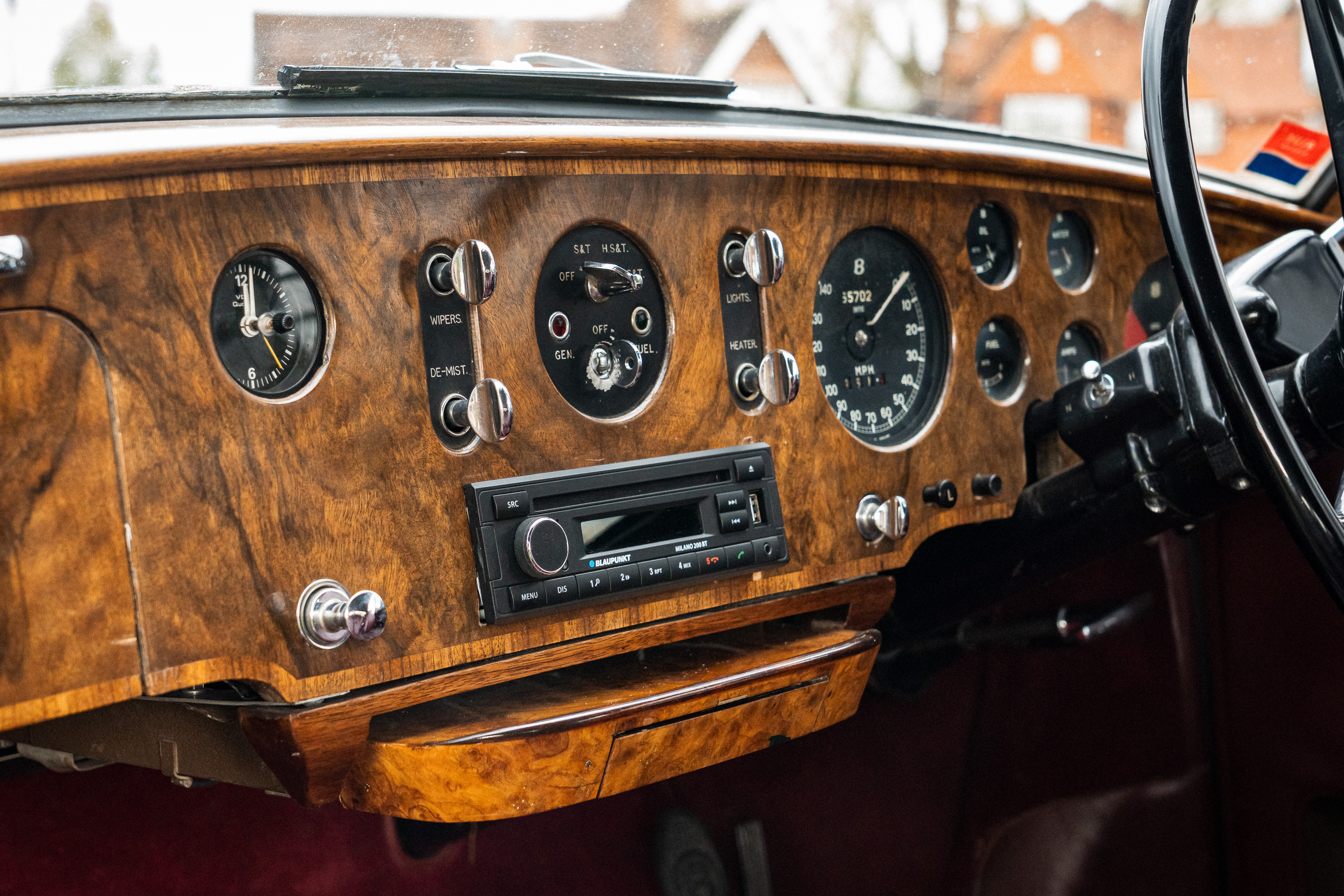
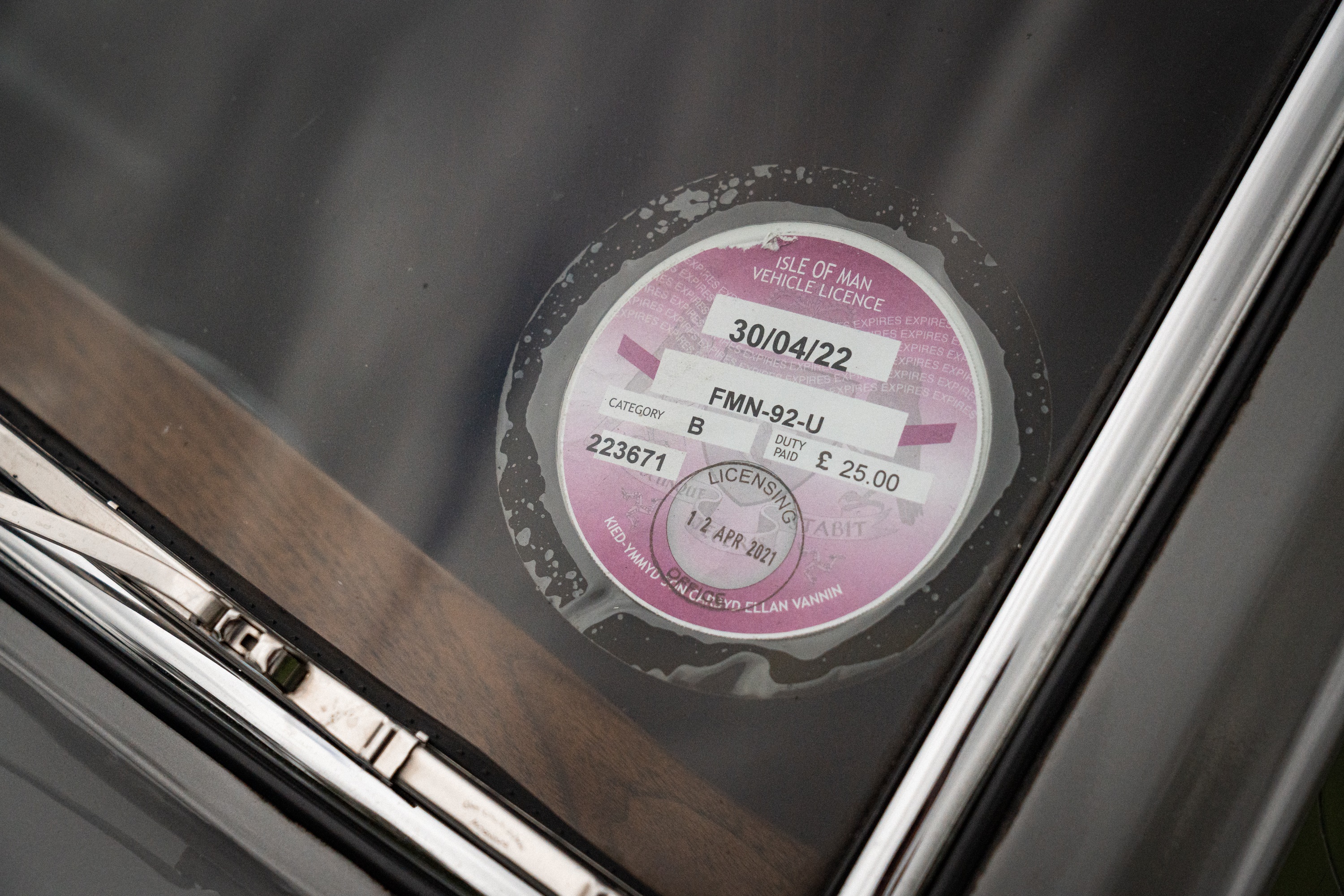
Now showing around 65,700 miles, BC36BG stands out as a beautifully preserved and exceptionally well-documented Park Ward Continental, retaining a high degree of originality and an abundance of character. Evidently the ideal touring car, whether in America, China or the Isle of Man, it is offered for sale with the current V5C and copies of historic V5s, copies of the original build sheets from the R.R.E.C., the sales sheet from Porters in Kensington, British and Manx tax discs spanning 1993 to 2020, paperwork from the 1998 Classic China Run, the 2001 Christie’s sale brochure, a souvenir presentation photograph from the R.R.E.C. Silver Cloud and S Series 60th Anniversary Weekend in 2015, and a veritable stack of invoices dating back to 1988.